





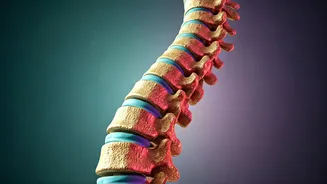


Understanding Your Ageing Spine
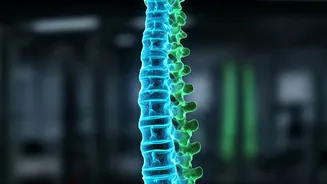
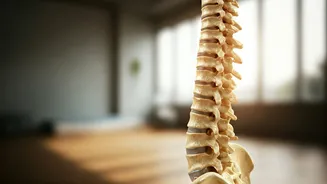
The spine is our body’s central pillar, a marvel of engineering composed of vertebrae, discs, and nerves. With time, natural changes occur. The fluid-filled intervertebral discs that cushion our vertebrae may lose some hydration and height, reducing flexibility.
The small facet joints can experience wear and tear, and the muscles supporting the spine may weaken if not used effectively. This doesn't have to mean a future of chronic pain. The key is to shift our focus from high-impact exertion to intelligent, supportive movement that respects these changes. Healthy ageing isn't about stopping this process, but about managing it gracefully and proactively to maintain function and quality of life.
The Yoga Approach: Lengthen and Strengthen
Yoga’s gift to spinal health isn't about forcing your body into pretzel-like shapes. It’s about applying core principles of movement. The most important of these is 'axial extension'—the concept of creating length and space in the spine. Imagine a gentle lift from the crown of your head, decompressing each vertebra. This simple action, when paired with breath, reduces pressure on the discs and nerves. Yoga then complements this lengthening with gentle strengthening of the core and back muscles. A strong, flexible muscular 'corset' provides essential support for the spinal column, taking the load off the bones and joints and promoting better posture throughout the day.
The Foundation: Tadasana (Mountain Pose)
It may look like you’re just standing, but Tadasana is the blueprint for all other poses. Stand with your feet hip-width apart, distributing your weight evenly. Gently engage your thigh muscles to lift your kneecaps. Lengthen your tailbone towards the floor and subtly draw your lower abdomen in and up. Roll your shoulders back and down, away from your ears. Feel that axial extension as you lift through the top of your head. This pose teaches neutral spinal alignment, the foundation of good posture. Practising it for a few minutes daily can retrain your body’s postural habits, reducing strain on your back in everything you do.
Dynamic Mobility: Marjaryasana-Bitilasana (Cat-Cow)
This gentle, flowing sequence is one of the safest and most effective ways to warm up the spine. Start on your hands and knees, with wrists under shoulders and knees under hips. As you inhale, drop your belly, lift your chest and tailbone, and look forward (Cow Pose). This is a gentle spinal extension. As you exhale, round your spine towards the ceiling, tucking your chin to your chest and pressing the floor away (Cat Pose). This is spinal flexion. Moving between these two poses massages the spine, improves circulation to the discs, and relieves tension in the neck and upper back. The key is to link the movement directly with your breath, creating a soothing, meditative rhythm.
Safe Twisting: Supta Matsyendrasana (Supine Spinal Twist)
Twists are excellent for maintaining spinal mobility, but they must be done safely, especially for an ageing spine. A supine twist is a perfect option. Lie on your back and draw both knees into your chest. Extend your arms out to the sides in a 'T' shape. As you exhale, gently drop both knees over to one side, keeping both shoulders grounded if possible. You can place a cushion under your knees for support. The twist should be felt in the mid-spine, not forced in the lower back or neck. Hold for 5–10 deep breaths, feeling the stretch across your back and chest, then gently return to centre and repeat on the other side. This nourishes the spinal muscles and can aid in digestion.
Building Support: Gentle Bhujangasana (Cobra Pose)
Strengthening the muscles that run along the spine is vital for long-term health. A gentle 'Baby Cobra' is an ideal way to do this. Lie on your stomach with your forehead on the floor and your hands under your shoulders. Press the tops of your feet into the floor to engage your legs. On an inhalation, use your back muscles to lift your head and chest a few inches off the floor. Keep your neck long and your gaze slightly forward. The work should come from your back, not by pushing with your hands. Hold for a couple of breaths and then release back down. This subtle backbend strengthens the erector spinae muscles without compressing the lower back.