
Understanding the Annual Freeze
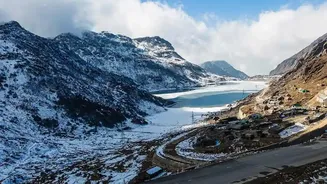
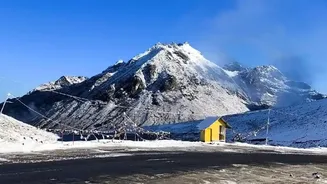
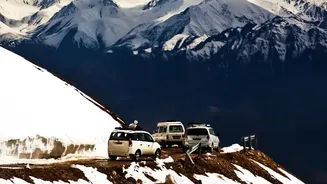
October and November mark a crucial transition in the high Himalayas. As winter approaches, heavy snowfall and plummeting temperatures make several major passes treacherous and impassable. Key routes like the Manali-Leh Highway (NH3) typically shut down
as the Border Roads Organisation (BRO) officially closes sections that become prone to heavy snow and black ice. Passes such as Rohtang La, Baralacha La, and Kunzum La are among the first to close, often by late October or early November. The famous Zoji La, connecting Kashmir Valley with Ladakh, also succumbs to the cold, usually closing by mid-November. These closures are not arbitrary; they are essential safety measures to prevent vehicles from getting stranded in life-threatening conditions. The closure of these arteries effectively cuts off road access to regions like Ladakh and Spiti from the Manali side, leaving air travel as the primary alternative.
Your New Best Friend: Official Road Status Updates
Before you even think about packing, your first step should be to check the official road status. Conditions can change overnight, and unofficial reports on social media can be misleading. The Border Roads Organisation (BRO) is the primary authority responsible for building and maintaining these strategic routes. The BRO provides regular updates on road closures, snow-clearing operations, and reopening schedules through its official channels. Additionally, the traffic police departments of the respective states, such as Himachal Pradesh and Ladakh, are invaluable resources. They post real-time updates on traffic movement, restrictions, and diversions. Relying on these official sources is the most reliable way to get accurate information and avoid getting stuck.
Rethinking Your Route and Mode of Transport
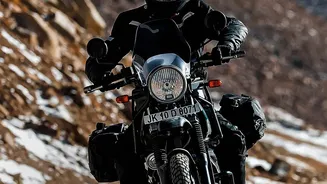
With major highways closed, your travel plans require a significant rethink. For those heading to Ladakh, the Manali-Leh highway is no longer an option. The only viable road connection during deep winter is the Srinagar-Leh highway via the Zoji La pass, but this too closes for extended periods. Consequently, flying into Leh's Kushok Bakula Rimpochee Airport becomes the most reliable method of access. While the Atal Tunnel under Rohtang Pass now provides year-round connectivity to Lahaul, it's crucial to remember that this doesn't guarantee access to all of Spiti or onward to Leh. The roads beyond the tunnel are still subject to heavy snowfall and closures. If you are driving, a 4x4 vehicle with high clearance is strongly recommended. For two-wheelers, this season is best avoided by all but the most experienced and equipped riders.
Vehicle Preparation and Essential Gear
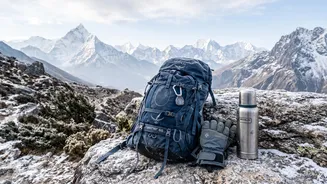
If you are attempting to drive in the regions that remain accessible, preparing your vehicle is non-negotiable. Ensure your car is serviced, with special attention to brakes, battery, and antifreeze levels. Winter or all-terrain tyres are a must for better traction on snow and ice. Carrying snow chains and knowing how to use them can be a lifesaver. Your emergency kit should be well-stocked with extra food, water, blankets, a first-aid kit, a powerful torch, and a shovel. Personal gear is just as important. Dress in multiple warm layers, wear insulated and waterproof boots, and protect yourself from the severe cold and sun glare with sunglasses and sunscreen. The temperatures on these passes can drop to extreme lows, and being unprepared is a serious risk.
On the Road: Safety and Driving Techniques
Driving on icy mountain roads demands your full attention. Slow down significantly, as stopping distances increase dramatically on snow and ice. Maintain a much larger gap than usual between your vehicle and the one ahead. When cornering, especially on blind turns, it's wise to honk to alert oncoming traffic. Avoid sudden braking; instead, apply gentle, steady pressure. When descending steep slopes, use engine braking by shifting to a lower gear to avoid overheating your brakes. Be extremely cautious of 'black ice'—a transparent, often invisible layer of ice that forms in shaded areas, on bridges, and overpasses. If you find your car running hot during a steep climb, pull over safely and let the engine cool down.