




An Active Monsoon's Final Act
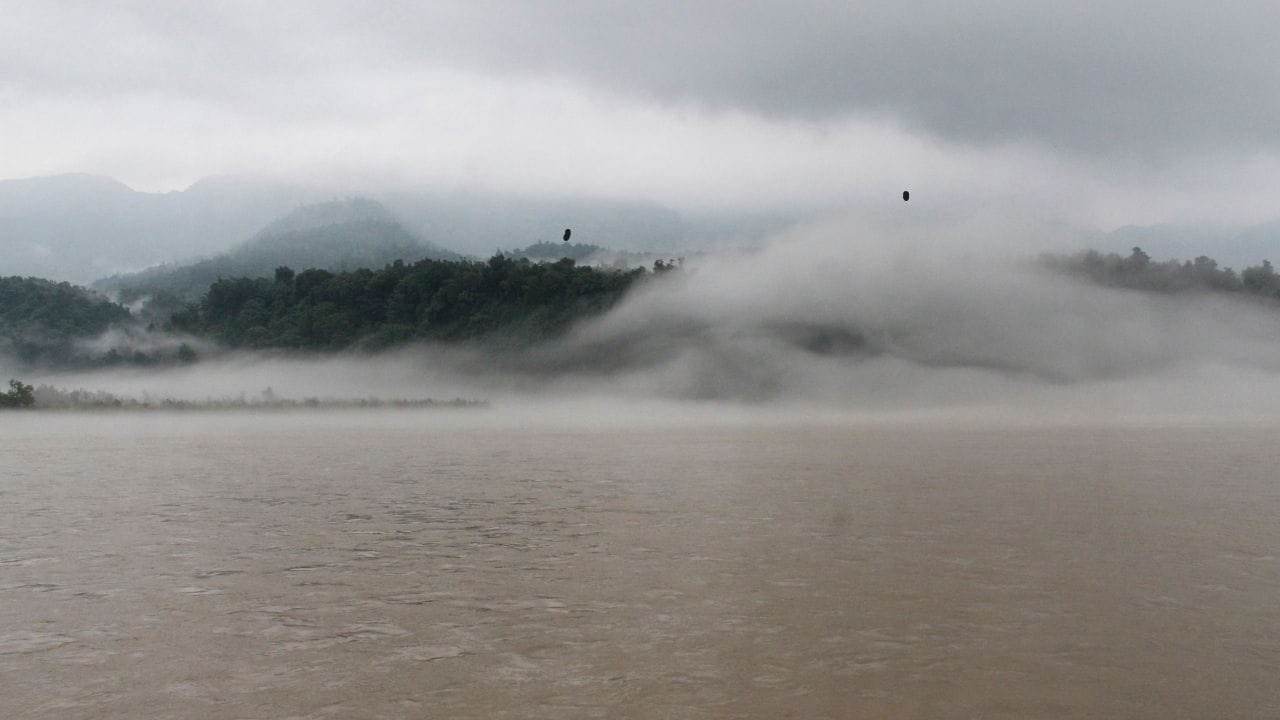
The India Meteorological Department (IMD) has forecast that a well-marked low-pressure area over eastern India will keep the monsoon active into early September. This system is expected to move west-northwestwards, bringing widespread rainfall to central,
eastern, and northeastern states. While September often signals the withdrawal of the monsoon, current conditions indicate a vigorous final phase. This means travellers should not assume the weather will be clear and dry, particularly during the first week of the month across a wide swathe of the country.
Regions on High Alert
According to IMD bulletins issued on August 31st, several states are under warning for heavy to extremely heavy rainfall. Odisha and Chhattisgarh are facing the highest threat, with forecasts of isolated extremely heavy falls. Heavy to very heavy rain is also expected in East Madhya Pradesh, Jharkhand, Bihar, and East Uttar Pradesh. The northeastern states, including Arunachal Pradesh, Assam, Meghalaya, Nagaland, Manipur, Mizoram, and Tripura, will continue to see widespread rain. The Himalayan states of Uttarakhand and Himachal Pradesh are also on alert for heavy showers through the first few days of September.
Impact on Air, Rail, and Road Travel
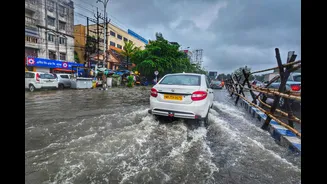
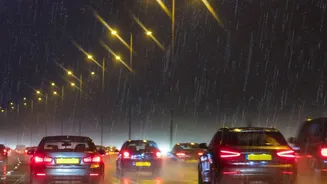
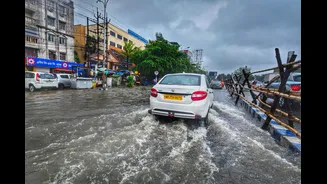
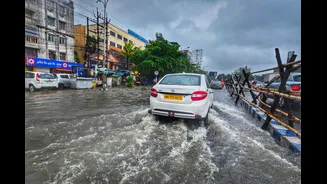
These weather conditions can significantly disrupt travel. Intense rainfall often leads to waterlogging in cities, causing traffic snarls and affecting road transport. In hilly areas, the primary concern is the increased risk of landslides and flash floods, which can block highways for extended periods. Areas in Himachal Pradesh like Kullu and Mandi have already experienced road blockages. Rail traffic can be impacted by water on tracks, leading to delays or diversions. Air travel may face disruptions due to poor visibility and strong winds, potentially causing flight delays or cancellations. Travellers are advised to check with airlines and railway authorities for the latest updates on their schedules before heading out.
Special Caution for Hill Stations
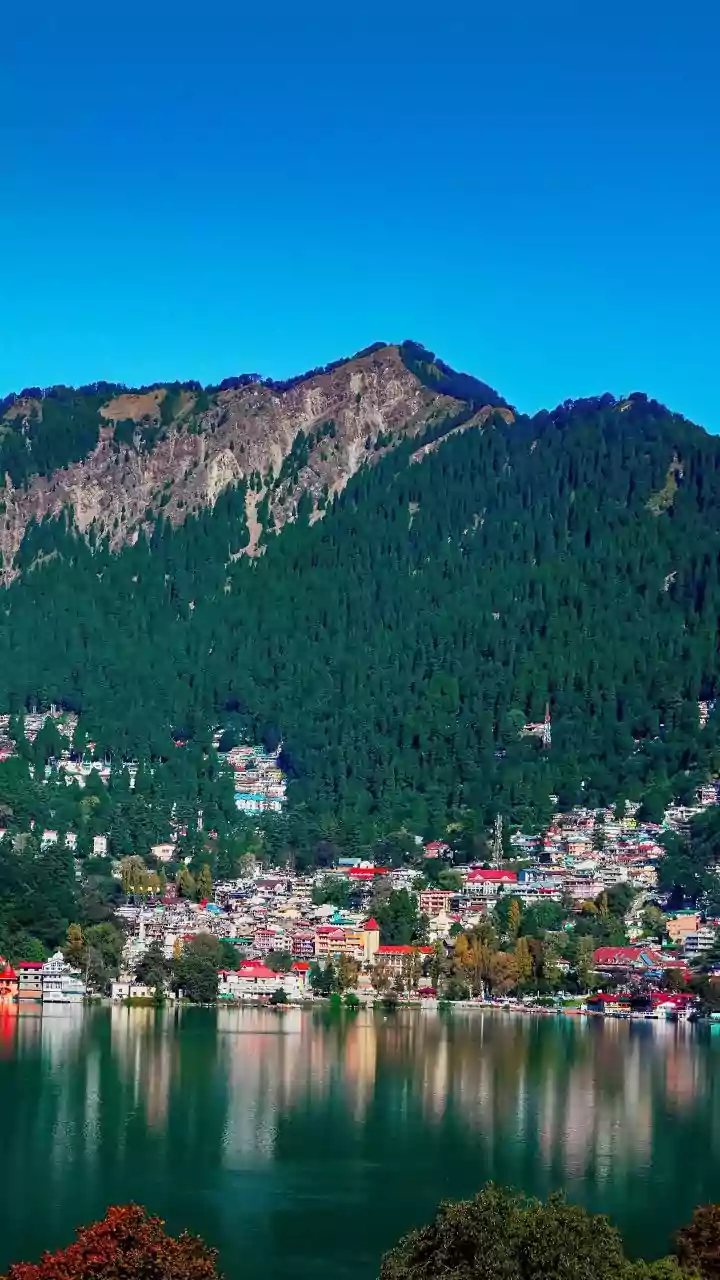
Travel to popular hill stations in Uttarakhand, Himachal Pradesh, and the Sub-Himalayan West Bengal region requires extra vigilance. The IMD has warned of fairly widespread rain in these areas, and continuous downpours can weaken slopes, elevating the danger of landslides. The flash flood risk is also a serious concern in mountainous terrain. If your itinerary includes destinations like Shimla, Nainital, or Darjeeling, it is crucial to have buffer days in your schedule to account for potential road closures. Avoid travelling at night and be prepared to alter your plans based on local conditions and official advisories.
A Traveller's Essential Safety Checklist
To navigate the challenging weather, preparation is key. Always check the latest IMD forecasts for your specific destination before and during your trip. Pack waterproof jackets, umbrellas, and protective coverings for your luggage and electronics. Ensure your mobile phones are fully charged and consider carrying a power bank. Inform your family or friends about your itinerary and stay in regular contact. It's wise to have a list of emergency contacts, including local authorities and your hotel. If driving, avoid waterlogged streets and never attempt to cross flooded causeways. When sightseeing, stay away from overflowing rivers and landslide-prone zones. Prioritizing safety over a rigid schedule is the most important rule for travelling during this extended monsoon period.