




The Great Declutter and Reset
Before the sacks of flour and tins of ghee even arrive, the first step savvy homeowners take is a thorough declutter. This isn't just about cleaning; it's a strategic reset. Cabinets are emptied, shelves are wiped, and a ruthless inventory is taken. Anything
expired is tossed, and utensils or appliances that are rarely used are temporarily relocated. This initial purge creates a blank canvas, making it easier to see the actual space available and to plan where the incoming festive bounty will live. Leaving some shelves intentionally empty is a pro-move, anticipating the inevitable overflow of snacks and sweet boxes.
Going Vertical and Using Every Inch
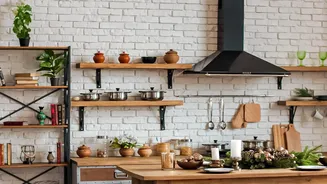
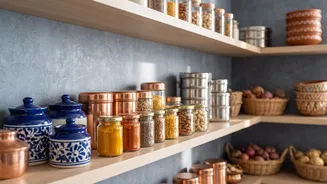
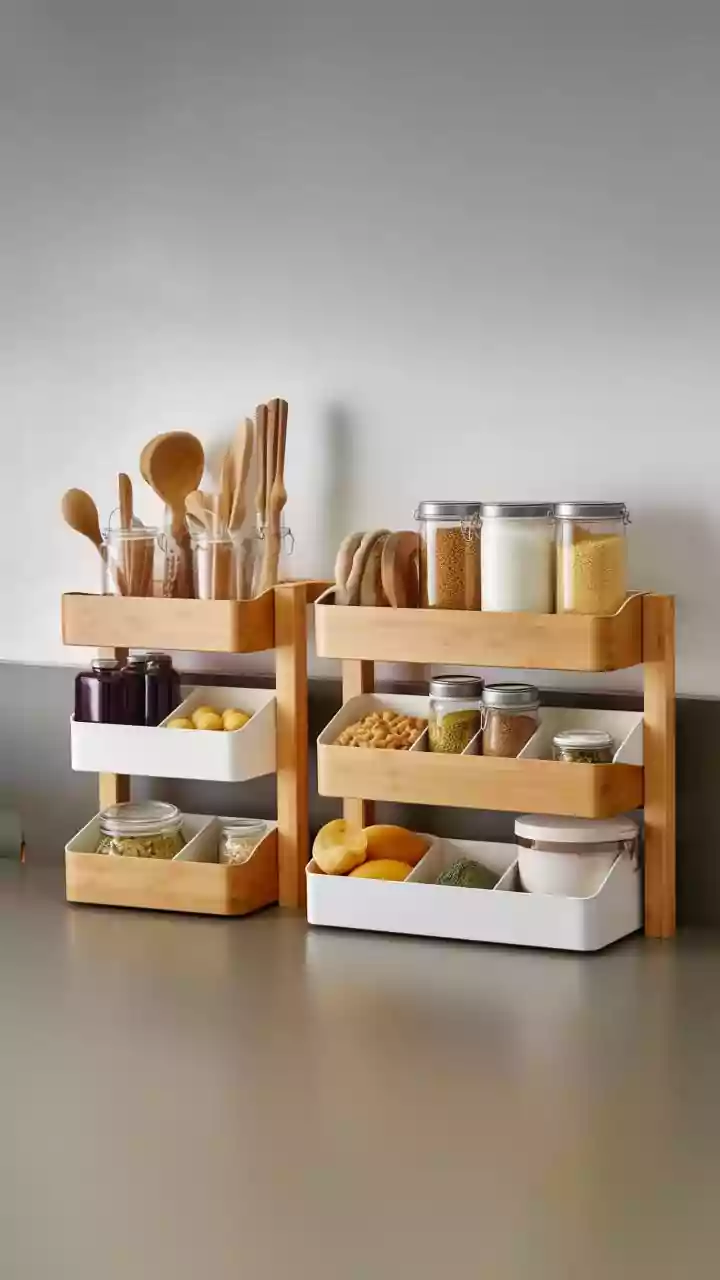
In many Indian kitchens, especially in apartments, floor space is a luxury. The solution is to think vertically. Walls become prime real estate, with many homes installing simple floating shelves or wall-mounted racks to hold everything from spices to daily-use dals. Under-shelf baskets are another popular hack, instantly creating a new layer of storage for lighter items like foil boxes or packets of pasta. Even the insides of cabinet doors are put to work, fitted with small hooks or slim racks for holding lids, pot holders, or cleaning supplies.
Decanting for Uniformity and Sanity
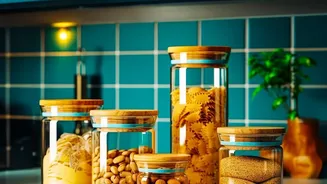
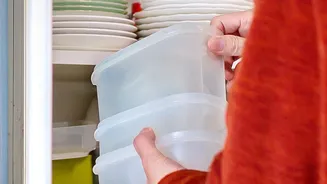
A common sight during festive prep is a chaotic collection of half-open packets of suji, besan, and various spices, all threatening to spill. The modern solution is to decant everything. Transferring ingredients from their bulky, irregular original packaging into uniform, clear containers is a game-changer. Airtight glass or food-safe plastic jars not only look neat and tidy on a shelf but also keep ingredients fresh and visible. Labelling each container is a crucial final step. This system prevents you from accidentally using powdered sugar instead of salt in a moment of haste and helps everyone in the household know where things belong.
Creating Dedicated Zones
An organised kitchen works like a well-oiled machine, and zoning is key to that efficiency. During festivals, this becomes even more critical. Many families create temporary, dedicated zones for specific tasks. For instance, a 'mithai station' might be set up with khoya, sugar, nuts, and flavourings all grouped together. A 'snack zone' will have various flours, spices, and oils needed for making mathri or chakli. This approach streamlines the cooking process, reduces frantic searching for that one elusive ingredient, and makes it easier for multiple family members to cook together without getting in each other's way.
The Rise of the Modern Pantry Unit
As kitchen design evolves, Indian homes are increasingly incorporating modern storage solutions inspired by European design but adapted for Indian needs. The tall pantry unit is a hero product in this space. These floor-to-ceiling cabinets, often fitted with pull-out drawers and racks, can store an incredible amount of groceries in a compact footprint. They allow for everything from large bags of rice and atta to smaller jars of pickles and jams to be stored neatly in one place, easily visible and accessible. Other popular solutions include 'magic corners' for utilizing tricky L-shaped cabinet spaces and sleek, handleless pull-out drawers.
Borrowing from Grandma’s Wisdom
While modern solutions are popular, there's also a renewed appreciation for traditional Indian storage methods. Our grandparents managed bulk storage long before modular kitchens existed. Large, sturdy ceramic jars, known as 'bharani', are perfect for storing pickles and chutneys, keeping them cool and preserved. Similarly, large steel or brass containers are making a comeback, not just for their storage capacity for grains and lentils, but also for the touch of traditional elegance they add to the kitchen. These time-tested solutions are not only sustainable but are a beautiful nod to our culinary heritage.