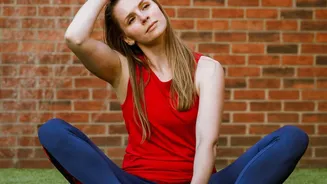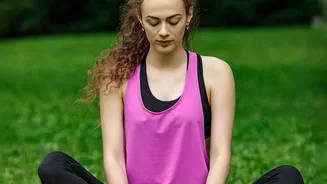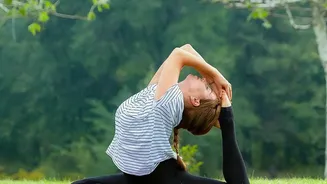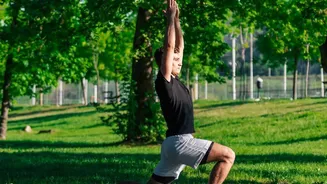



The Mind-Body Connection
Before jumping into the poses, it's helpful to understand why yoga works. The practice combines physical postures with controlled breathing and mindfulness. This combination helps to activate the body's relaxation response, lowering levels of the stress
hormone cortisol. Studies show that even short, regular yoga sessions can reduce anxiety, improve sleep quality, and boost the brain's ability to concentrate and retain information—all essential for academic success.
Child's Pose (Balasana)
This gentle, restorative pose is perfect for calming the nervous system when you feel overwhelmed. Kneel on the floor, sit back on your heels, and then fold forward, resting your forehead on the mat. Your arms can be stretched out in front of you or resting alongside your body. Hold this pose for at least 30 seconds, focusing on deep, slow breaths. It helps to relieve tension in the back and shoulders, which often build up during long study sessions.
Cat-Cow Stretch (Marjaryasana-Bitilasana)
Sitting for hours can make your spine stiff. The Cat-Cow stretch is a simple movement that increases spinal flexibility and releases tension. Start on your hands and knees. As you inhale, drop your belly and look up (Cow Pose). As you exhale, round your spine and tuck your chin to your chest (Cat Pose). Flow between these two positions for about a minute to wake up your back muscles and promote a sense of calm.
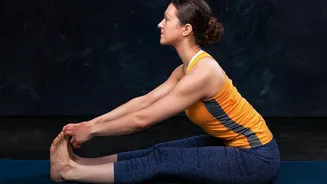
Seated Forward Bend (Paschimottanasana)
This pose provides a deep stretch for the entire back of the body and is known to invigorate the nervous system and increase blood supply to the brain. Sit on the floor with your legs stretched out in front of you. As you exhale, hinge at your hips and gently fold forward over your legs. Don’t worry about touching your toes; just go as far as is comfortable. This pose helps soothe a busy mind and alleviate mild anxiety.
Tree Pose (Vrikshasana)
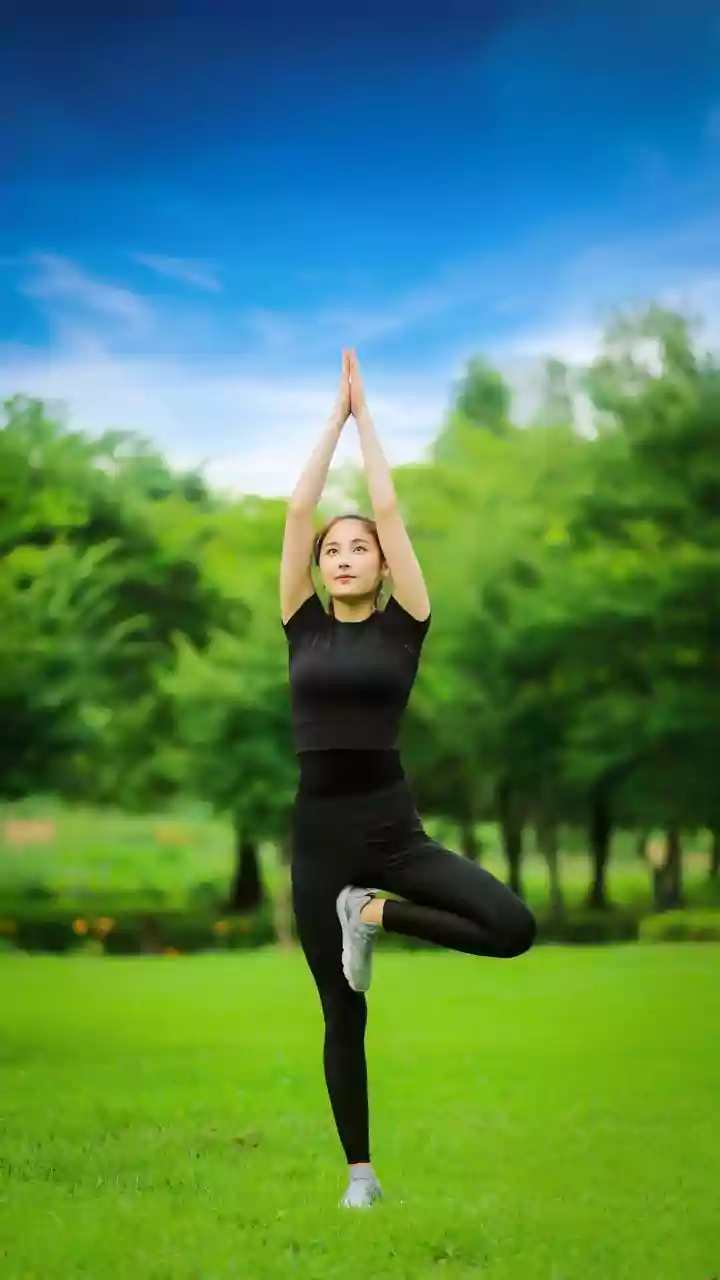
A wandering mind makes it hard to focus. The Tree Pose is a balancing posture that builds concentration and stability. Stand tall and shift your weight onto one foot. Place the sole of your other foot on your ankle, calf, or inner thigh, avoiding the knee. Bring your hands together in front of your chest. Focus on a fixed point in front of you to help maintain your balance. Holding this pose trains the mind to stay present and reduces distraction.
Legs-Up-The-Wall Pose (Viparita Karani)
After a long day of studying, this incredibly relaxing pose can help reduce fatigue. Simply lie on your back and swing your legs up so they rest against a wall. Keep your arms relaxed by your sides. Close your eyes and breathe deeply for 5 to 10 minutes. This restorative pose is excellent for calming the mind and relieving tired legs and feet, preparing you for a restful night's sleep, which is crucial for memory consolidation.
The Power of Breath (Pranayama)
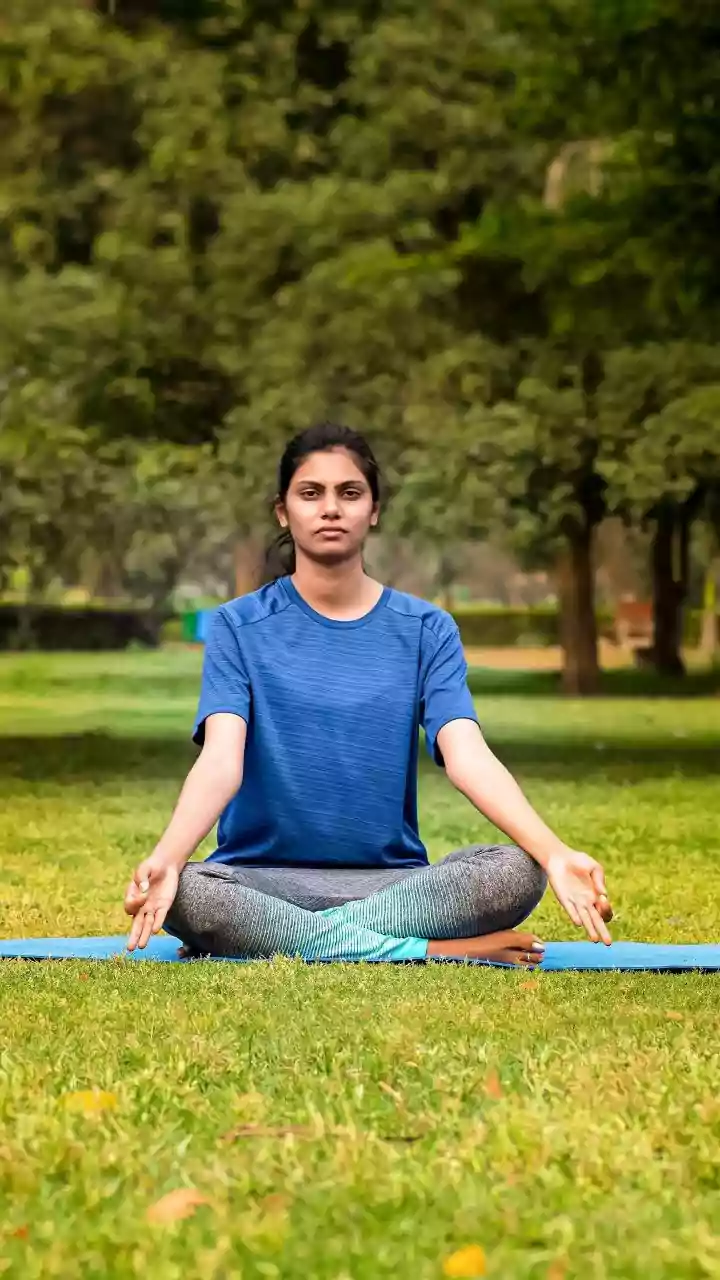
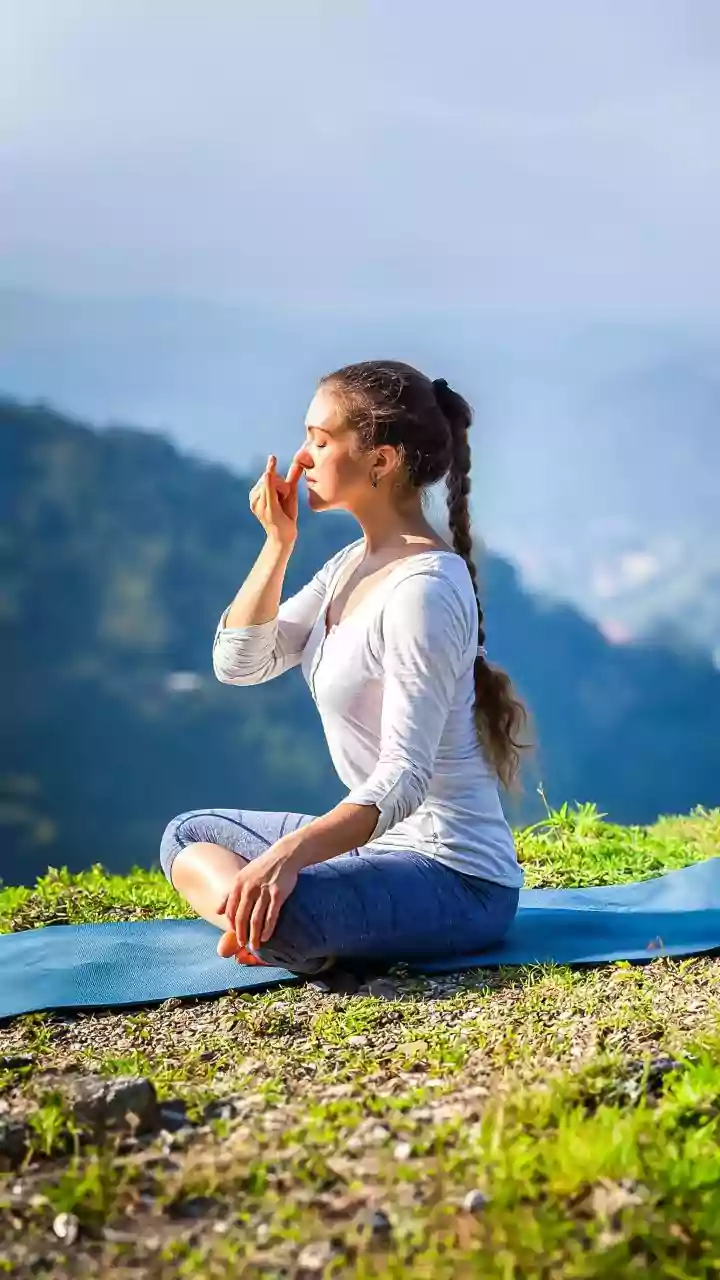
While doing these stretches, remember that your breath is your most powerful tool. Simple breathing exercises, known as pranayama in yoga, can instantly calm exam-related nerves. One of the easiest is the Bee Breath (Bhramari). Sit comfortably, close your eyes, and gently plug your ears with your thumbs. Inhale deeply, and as you exhale, make a low humming sound like a bee. This technique helps to quiet the mind and relieve hypertension and stress.