

Let Your Flowers Breathe
The single most important shift towards a lighter feel is embracing negative space. Traditional arrangements often involve packing flowers tightly together. Modern minimalism, however, shows that letting each bloom have its own space can create a more
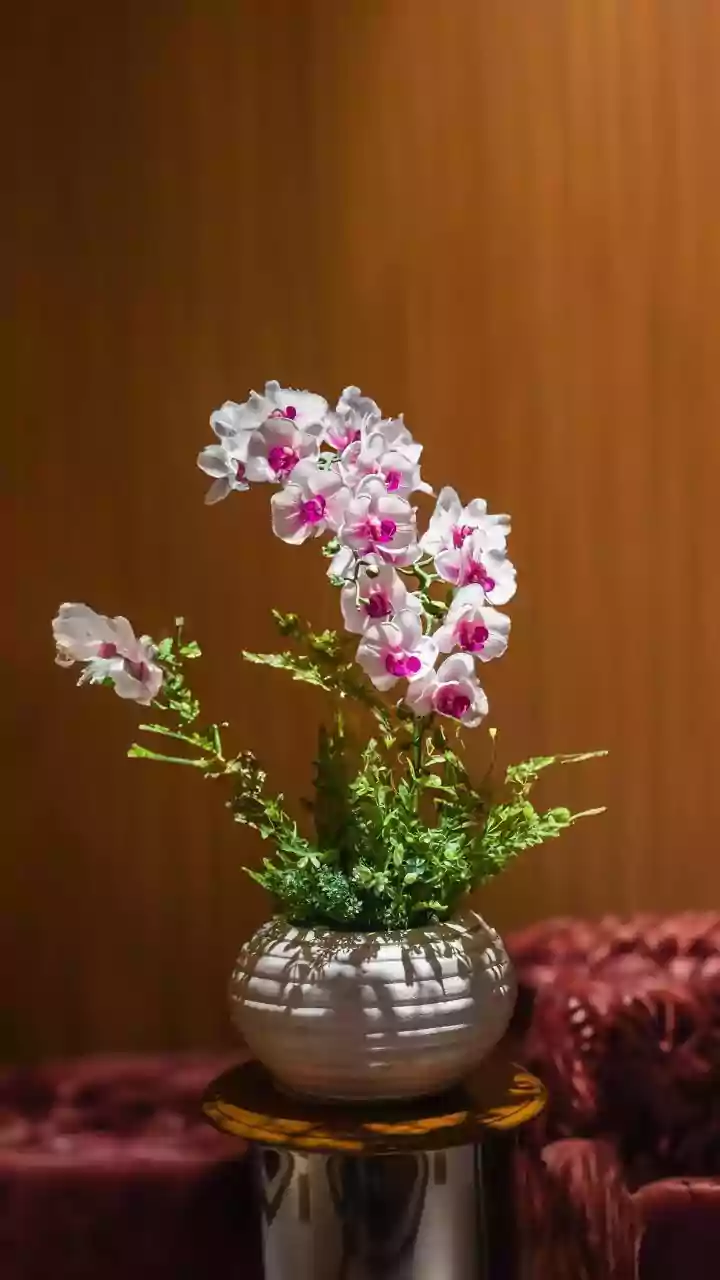
elegant and sophisticated look. Instead of a dense wall of petals, think of a curated gallery where each flower is an artwork. This approach allows the unique shapes and colours of individual flowers, like orchids or roses, to be appreciated. This doesn't mean your arrangement will look sparse; rather, it will feel intentional and composed, allowing the eye to rest and appreciate the details.
Choose a Hero, and Let It Shine
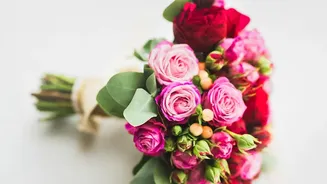
Instead of using ten different types of flowers in equal measure, select one 'hero' bloom and let it dominate. This creates a strong focal point and a clear design statement. For example, a bouquet could feature lush hydrangeas as the main flower, with only a few sprigs of baby's breath or delicate jasmine for accent and fragrance. Trending flowers like orchids, lilies, and even single-stem anthuriums are perfect for this approach. This 'hero' flower strategy creates impact through focus rather than volume. You can still use traditional flowers like marigolds or roses, but by making them the star of the show instead of part of a dense mix, the result feels more contemporary.
Incorporate Light and Airy Foliage
Foliage adds texture and shape, but the wrong kind can add bulk. Move away from heavy, dark leaves and instead opt for lighter, more sculptural greenery. Wispy ferns, fragrant eucalyptus, and even delicate olive branches can provide structure and a sense of movement without overwhelming the flowers. These greens create a 'floral cloud' effect that is popular in modern design, giving arrangements a soft, ethereal quality. The goal is to use foliage to complement the flowers and enhance their natural forms, not to fill every possible gap.
Play with Asymmetry and Height
Many traditional Indian arrangements are symmetrical and tightly rounded. To create a more dynamic and modern feel, embrace asymmetry. Let some stems reach higher than others, creating a natural, 'garden-gathered' look. Varying the heights of your flowers and foliage creates rhythm and movement, drawing the eye through the arrangement. This can be particularly effective in vase arrangements, where you can allow a few dramatic branches or long-stemmed flowers to break free from the main cluster. This technique makes the arrangement feel alive and less static.
The Vessel Matters
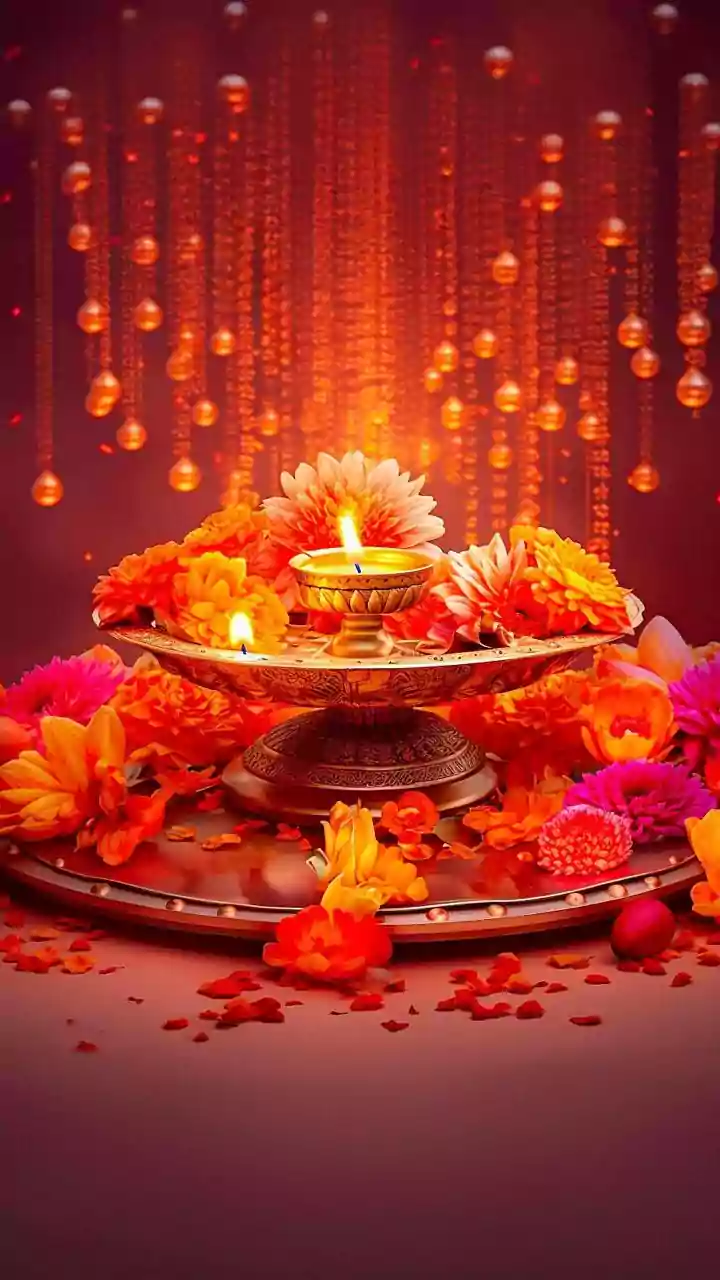
The container you choose can dramatically alter the perception of your floral design. A heavy, ornate vase can make even a light arrangement feel dense. To achieve an airy aesthetic, opt for modern, minimalist vessels. Clear glass vases are timeless because they make the stems part of the design and keep the focus on the flowers. Ceramic vases in neutral tones or with a simple, handcrafted look also work well to ground an arrangement without adding visual clutter. For a traditional touch with a modern spin, consider brass or copper bowls with a single, floating lotus or a few rose heads.
Rethink the Traditional Garland
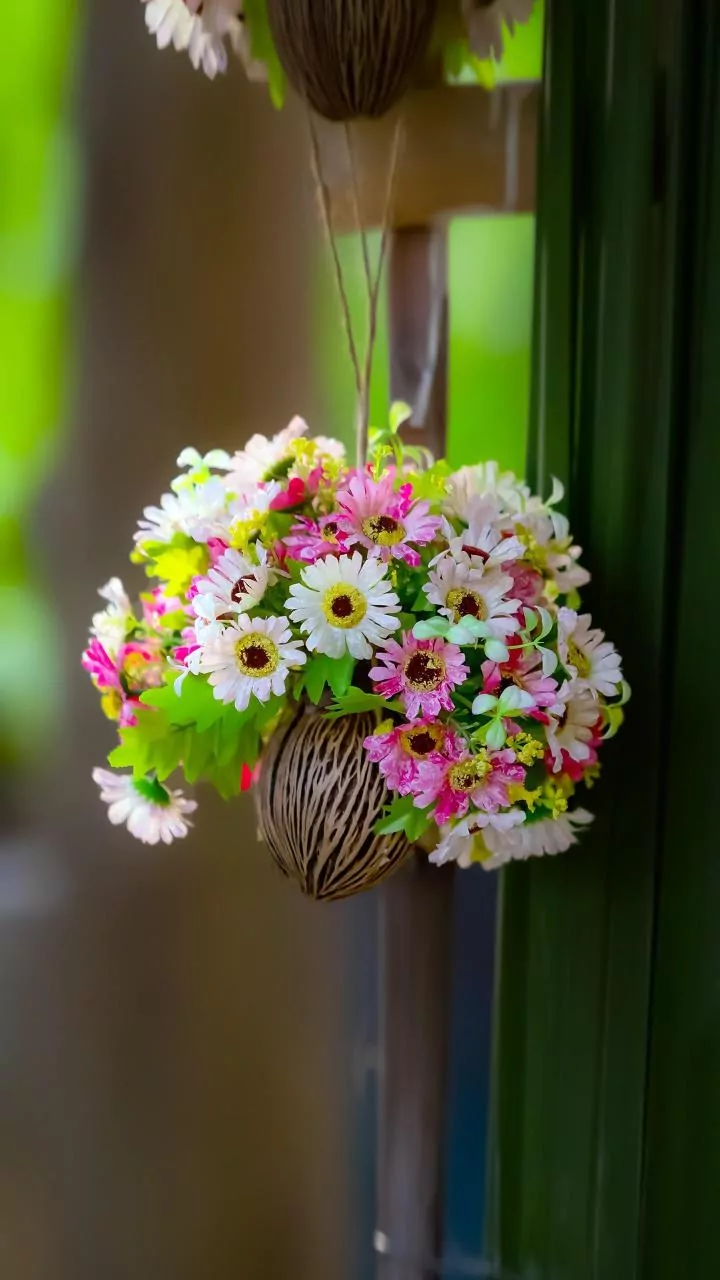
Garlands, or 'malas', are central to Indian celebrations but are often associated with thick, heavy ropes of marigolds. You can modernize this tradition by creating lighter versions. Instead of stringing flowers tightly, try spacing them out on the thread with small knots in between. Another contemporary take is to create minimalist garlands using a single type of flower, like tuberose or jasmine, or mixing delicate blooms with light greenery. These less-dense garlands can be used as elegant door hangings (torans) or table runners that feel festive yet refined.