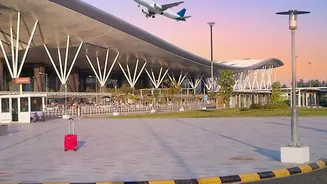







The Driving Force: UDAN Scheme
At the heart of this transformation is the government's Regional Connectivity Scheme, better known as UDAN (Ude Desh ka Aam Nagrik). Launched in 2016, its primary goal is to make air travel affordable and connect unserved and underserved parts of the country.
By providing financial support to airlines to operate on less profitable regional routes, the scheme has activated dozens of airports and created hundreds of new flight paths. In March 2026, the government approved a modified, ten-year extension of the scheme, signaling a long-term commitment to this vision with a significant outlay of funds. The plan includes developing 100 new airports over the next decade, further integrating smaller cities into the national aviation network.
New Dots on the Aviation Map
The number of operational airports in India has more than doubled in the last decade, from 74 in 2014 to over 160 in 2026. This growth isn't just about adding capacity to major metro hubs. The focus is increasingly on Tier-2 and Tier-3 cities. Major greenfield projects are underway across the country. The Noida International Airport at Jewar is set to become a massive secondary hub for the Delhi-NCR region. Similarly, Navi Mumbai International Airport aims to ease the immense pressure on Mumbai's existing airport. Other significant projects include new international airports at Dholera in Gujarat, Bhogapuram in Andhra Pradesh, and a long-awaited airport in Kota, Rajasthan, a major educational hub. These projects are designed not just for passenger traffic but as integrated hubs for cargo, logistics, and commerce.
What It Means for Travellers
For regional travellers, these developments translate into tangible benefits. The most obvious is reduced travel time. Journeys that once required a full day or more via train or road can now be completed in a few hours. This is a game-changer for people travelling to their hometowns, for business, or for pilgrimage. For example, the new airport in Puri will improve access for tourists and devotees. The expansion also opens up new tourist destinations, connecting places like Shimla, Pakyong (Sikkim), and islands like Lakshadweep more effectively. Furthermore, the UDAN scheme includes a fare cap for a portion of the seats on subsidized routes, which can make flying a more affordable option for many. As more airlines begin operating on these routes, increased competition could also help regulate prices.
Beyond New Airports: Upgrades and Connectivity
The strategy isn't limited to building from scratch. A significant part of the investment is going into upgrading and expanding existing regional airports. This includes building new terminal buildings, extending runways to accommodate larger aircraft, and improving passenger amenities. The government is also promoting a 'hub-and-spoke' model. This system is designed to allow travellers from smaller Tier-2 and Tier-3 cities to seamlessly connect through larger airports like Delhi, Ahmedabad, and Varanasi for international flights, saving them the hassle and expense of booking separate tickets.
Challenges on the Radar
Despite the ambitious rollout, challenges remain. A key concern is the long-term economic viability of these new routes. While subsidies can get flights off the ground, sustained passenger demand is essential to keep them flying. Airlines often face high operating costs on regional routes, and many airports have struggled to attract consistent traffic after the initial launch. Another hurdle is ensuring last-mile connectivity. An airport is only useful if travellers can easily and affordably get to and from their final destinations. This requires coordinated planning with local transport authorities to develop road and public transit links, a factor that will be crucial for the success of these new regional gateways.