





The New Travel Blueprint: Menus Over Monuments
A remarkable shift is underway in the world of travel. The age-old question, “What should we see?” is being replaced by a more pressing one: “What should we eat?” This isn't just about finding a decent place for dinner; it's about planning entire trips
around specific culinary experiences. [cite:1, cite:2] Welcome to the era of gastronomy tourism, a travel segment that has moved from a niche interest to a primary motivation for millions. Data shows that a significant majority of travellers now consider food an important or very important factor when picking a destination. In fact, for many, the main course of the holiday is, quite literally, the main course. Itineraries are meticulously crafted to include a morning at a local market, a mid-day street food tour, and an evening at a sought-after restaurant, turning the trip into a delicious journey of discovery.
The Social Media Effect: Dining for the Digital Age
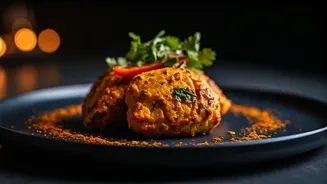
This trend is being powerfully fuelled by the digital world. Platforms like Instagram and TikTok have transformed food from a personal pleasure into a visual currency. A well-lit photo of a regional delicacy or a viral video of a unique dining experience can inspire wanderlust more effectively than any glossy brochure. As a result, travellers are not just seeking delicious food, but also 'Instagrammable' moments. Social media acts as both a discovery engine and a planning tool, with travellers scrolling through feeds to find not just destinations, but specific dishes and eateries. [cite:10, cite:11] Research indicates that a huge percentage of younger travellers, in particular, use social media for travel inspiration, often booking trips after seeing content from food influencers or other users. [cite:10, cite:12] This has created a new kind of travel narrative, where the story of a holiday is told one plate at a time.
More Than a Meal: The Experience Economy
The rise of food-centric travel is also tied to the broader 'experience economy,' where consumers increasingly prioritize doing things over owning things. A meal is no longer just sustenance; it's an immersive cultural activity. [cite:14, cite:15] Travellers are seeking authentic encounters that connect them to a place and its people. [cite:16, cite:4] This can take the form of a cooking class with a local chef, a farm-to-table dinner, a tour of a winery, or simply sharing a meal at a floating market. [cite:4, cite:6] These experiences are valued because they are educational, sensory, and emotionally engaging, creating richer and more lasting memories than simply visiting another tourist site. It’s about understanding the culture behind the cuisine and participating in a local tradition, transforming a passive tourist into an active participant.
The Indian Traveller's Growing Appetite
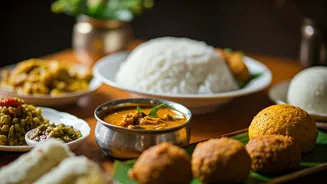
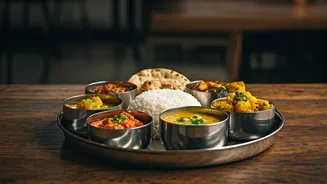
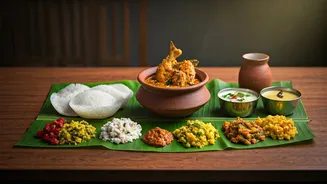
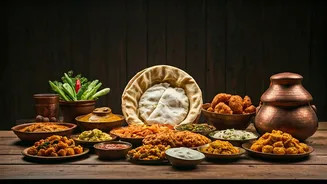
In India, a country with an incredibly diverse and celebrated culinary landscape, this trend is booming. [cite:18, cite:19] Indian travellers are increasingly embarking on journeys to explore the nation's rich tapestry of flavours, from harvesting saffron in Kashmir to tasting local seafood in Kerala. A recent report highlighted that a vast majority of Indian travellers are now exploring new local cuisines as a key part of their travel. This interest extends beyond national borders, with many planning international trips to destinations like Italy or Japan specifically to understand the local food philosophy. The demand has led to a surge in curated food walks in cities like Lucknow and Kochi, culinary workshops, and food and beverage tours across the country. [cite:18, cite:20] For the Indian traveller, food is a powerful way to connect with both their own heritage and the wider world.
The Restaurant as the Destination
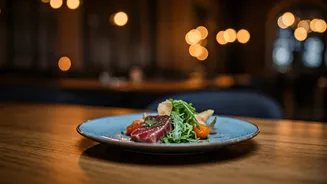
The final testament to food's power is the rise of the restaurant as a destination in itself. Certain chefs and establishments have become so renowned that they draw tourists to a city or region, much like a famous museum or monument. People will plan trips months, even years, in advance to secure a table at a world-famous restaurant. But this isn't limited to Michelin-starred fine dining. An authentic street food stall celebrated on a popular food show or a remote farm-to-table eatery known for its sustainable practices can become an equally powerful magnet for tourists. [cite:4, cite:22] This shift is forcing the entire tourism industry, from hotels to marketing boards, to recognise that a destination's culinary story is one of its most valuable assets. [cite:4, cite:19]