





Bridging the Digital Divide in Passenger Safety
Until recently, the travel insurance scheme offered by Indian Railways was exclusively available to passengers booking their tickets through the IRCTC website or mobile app. This left a substantial portion of travellers—specifically those who purchase
tickets from station counters—without an easy option for insurance coverage. Following a directive from the Supreme Court, this disparity is set to end. Effective October 27, 2026, the optional insurance cover will be extended to all passengers, including those who buy their tickets at general outlets. This decision marks a major step towards equitable access to safety nets for every railway passenger, regardless of how they book their journey.
What the Travel Insurance Scheme Covers
The optional travel insurance scheme provides significant financial coverage for a very nominal premium. While the exact premium for counter tickets is yet to be finalised, the online scheme costs just 45 paise per passenger. The coverage is extensive, offering financial support in the event of unfortunate incidents during the journey. This includes coverage of up to ₹10 lakh in the case of death or permanent total disability resulting from a train accident or other untoward incidents. The policy also includes provisions for permanent partial disability, with a sum insured of up to ₹7.5 lakh. Furthermore, it covers hospitalisation expenses up to ₹2 lakh for injuries sustained during travel. The scheme even provides for the transportation of mortal remains, with a coverage of ₹10,000.
How to Opt-In at the Ticket Counter
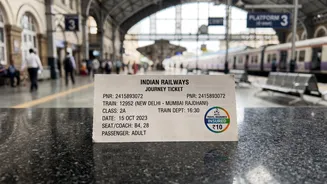
While the exact mechanism for counter implementation is being finalised by the Railway Board, the process is expected to be simple and straightforward. Previously, online users could opt-in by selecting a checkbox during the booking process. A similar streamlined method will likely be adopted for offline ticketing. Passengers will likely need to inform the booking clerk at the counter that they wish to avail the insurance, and the nominal premium will be added to their ticket cost. It is important to note that the scheme remains optional for passengers. Once opted-in, the policy is applicable to all passengers listed under a single PNR number. It is also crucial for passengers to provide nominee details, as this is essential for a smooth claims process. For online tickets, this is done via a link sent by the insurance company after booking.
Why This Expansion Is a Game-Changer
Extending this insurance to counter-ticket holders is a landmark decision that promotes greater financial inclusion and passenger security. A significant percentage of railway tickets in India, over 12% of reserved tickets, are still purchased offline. These passengers often include individuals from remote or rural areas, those who are not digitally savvy, or simply those who prefer the traditional method of booking. By making insurance accessible at the counter, Indian Railways is ensuring that this vital safety net reaches a much broader demographic. The Supreme Court's directive, which followed proceedings related to the 2023 Odisha train accident, underscores the importance of treating passenger safety as a universal priority, not a privilege for online users.
The Claims Process and Key Details
In the unfortunate event of an incident, the claim and liability fall between the passenger (or their nominee) and the insurance company, not IRCTC or Indian Railways. The railways act as a facilitator, providing the link to purchase the policy. To file a claim, the passenger or their nominee must contact the designated insurance company directly. The process typically requires the submission of a duly completed claim form along with official reports from railway authorities confirming the accident and the passenger's details. For death claims, the nominee or legal heir would need to provide the necessary documentation. It's vital for passengers who opt for the insurance to keep their policy details accessible and ensure their nominee information is correctly registered with the insurer.