





The Unforgettable Scene
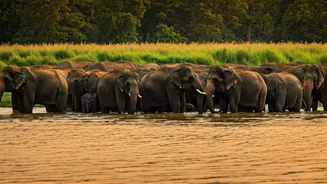
Imagine this: your safari jeep halts near the shimmering backwaters of the Kabini reservoir. The only sounds are the chirping of birds and the gentle lapping of water. Then, you see them. Not one or two, but a sprawling, multi-generational herd of elephants.
A hundred, perhaps more. Calves playfully chase each other under the watchful eyes of their mothers and aunts, while large tuskers graze peacefully on the lush, green shoots exposed by the receding water. This is not a rare sighting; it’s the annual phenomenon that has turned Kabini into a pilgrimage site for wildlife 'fanatics' every summer. The scale is breathtaking, a powerful reminder of the wild heart that still beats strong in this corner of the Nagarhole National Park.
Why The Great Gathering Happens
This massive assembly isn't a coincidence; it's a clever survival strategy dictated by the seasons. As the dry summer months (typically March to June) bake the surrounding forests of the Nilgiri Biosphere Reserve, natural water sources dwindle and fodder becomes scarce. The elephants, with their incredible memory and social networks, know exactly where to go. They migrate from the drier parts of Nagarhole, Bandipur, and even Mudumalai towards the perennial lifeline of the Kabini reservoir. The vast, exposed lakebed sprouts a carpet of nutritious and succulent grass, creating a giant, natural buffet. This abundance of food and water in one concentrated area allows these massive herds, sometimes numbering in the hundreds, to congregate in a display of social bonding and peaceful coexistence.
A Tale of Two Safaris
What makes the Kabini experience unique is the dual perspective it offers. The traditional jeep safari takes you deep into the forest, where you might track a leopard or stumble upon a pack of dholes (wild dogs). But for the elephant gathering, the boat safari is arguably the star attraction. Gliding silently on the water, you get an unparalleled, low-angle view of the herds as they come to the edge to drink, bathe, and play. The sight of a tusker swimming across a channel or a calf getting a mud bath from its mother is something that stays with you long after the trip is over. This combination of land and water safaris provides a comprehensive and deeply immersive wildlife experience that few other parks in India can match.
More Than Just Elephants
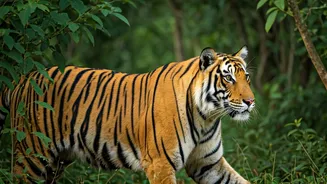
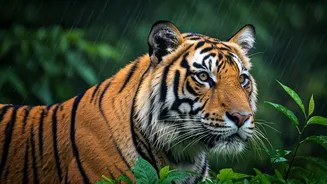
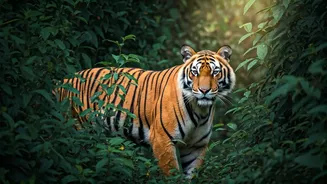
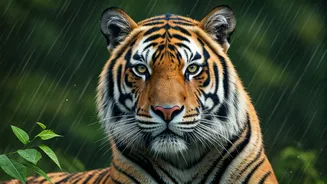
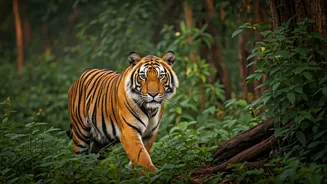
While the elephant gathering is the headline act, the supporting cast in Kabini is just as legendary. The high density of prey animals near the water also attracts the park's apex predators. Kabini is one of the best places in the world to spot a leopard, often seen lounging on a tree branch, unfazed by the activity below. The elusive black panther has also granted lucky visitors a sighting here. And, of course, there is the tiger, the king of this jungle, whose presence adds a layer of thrilling unpredictability to every safari drive. The sheer biodiversity, from crocodiles basking on the banks to over 300 species of birds, ensures that there is never a dull moment.
The Photographer’s Dream
For wildlife photographers, both amateur and professional, this seasonal gathering is the stuff of dreams. The soft morning and evening light, the dramatic backdrop of the water, and the sheer density of subjects create endless photographic opportunities. Capturing the intricate social interactions within a herd, the tender moment between a mother and her calf, or the majestic silhouette of a tusker against the sunset is the ultimate prize. This is why the 'rush' described in headlines is often led by these dedicated shutterbugs, who understand that this window of opportunity is both precious and fleeting, a testament to the raw, untamed beauty of the Indian wilderness.