







Why Your Domestic Wallet Won't Cut It
Relying solely on your domestic debit or credit card is a common but costly mistake. While convenient, most Indian cards come with hefty foreign currency markup fees, typically ranging from 2.5% to 3.5% on every transaction. On top of this, you might
face additional charges like GST on the conversion fee and ATM withdrawal fees that can quickly eat into your travel budget. A little pre-trip financial planning can save you a significant amount of money, leaving more for you to spend on what truly matters: your travel experience.
The Golden Rule: Diversify Your Payments
The smartest strategy is to not put all your eggs in one basket. A combination of payment methods ensures you are prepared for any situation, whether it’s a restaurant that only takes cards, a market that only accepts cash, or a digital-first country. A well-rounded travel wallet should ideally include a forex card, a credit card with low foreign transaction fees, some local currency in cash, and your UPI-enabled app for destinations where it’s accepted. This approach provides flexibility and a backup if one payment method fails.
Forex Cards: Your Primary Travel Tool
Prepaid forex cards are one of the most cost-effective ways to spend money abroad. You load them with a specific foreign currency (or multiple currencies) before you travel, locking in the exchange rate. This protects you from currency fluctuations during your trip. Cards from providers like HDFC Bank, Axis Bank, Thomas Cook, and Niyo often come with zero or very low currency conversion markups, saving you money on every swipe. Many also offer benefits like complimentary lounge access and enhanced security since they aren't linked to your main bank account. Under RBI's Liberalised Remittance Scheme (LRS), you can load up to USD 250,000 per year.
Credit Cards: For Backup and Benefits
While your primary forex card handles daily expenses, a credit card serves as an excellent backup for larger payments like hotel bills or car rentals. Look for credit cards specifically designed for travel that offer low or zero foreign markup fees. Even if your card has a standard markup, the rewards points, travel insurance, and fraud protection benefits can sometimes outweigh the costs. One crucial tip: if a card machine abroad asks if you want to pay in Indian Rupees (INR) or the local currency, always choose the local currency. Opting for INR triggers a process called Dynamic Currency Conversion (DCC), which often uses a much worse exchange rate set by the merchant's bank, adding unnecessary costs.
The Rise of International UPI
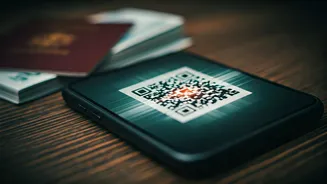
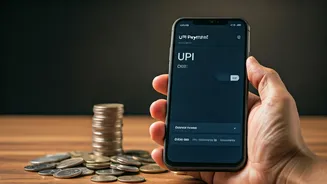
India's Unified Payments Interface (UPI) is steadily expanding its global footprint, making payments easier in several countries. As of mid-2026, Indian travellers can use UPI in nations like Greece, France, Singapore, the UAE, Nepal, Bhutan, Sri Lanka, and Mauritius, among others. This allows you to scan a QR code and pay directly from your Indian bank account, just like you do at home. However, acceptance can be inconsistent; it may be widely available in one country but limited to specific tourist spots in another. Also, remember that while the UPI transaction itself might be free, your bank will still apply a currency conversion rate and a forex markup fee.
Don't Forget About Cash
Despite the digital revolution, cash is still essential for any international trip. It's indispensable for small purchases from street vendors, tipping, public transport in some places, and as a crucial backup in case of connectivity issues or if your cards are lost or blocked. Avoid exchanging large amounts of currency at the airport, where rates are typically poor. A better approach is to withdraw local currency from a bank-affiliated ATM at your destination using your forex or low-fee debit card. Carrying a modest amount of cash ensures you’re never caught in a bind.