




More Than Just a Tiffin
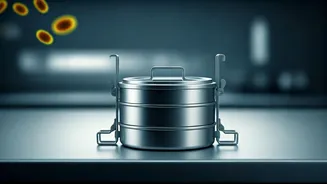
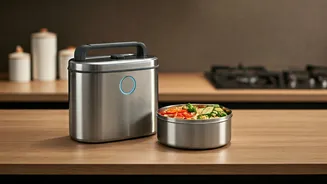
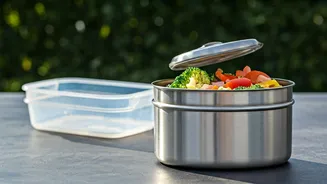
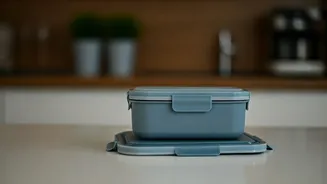
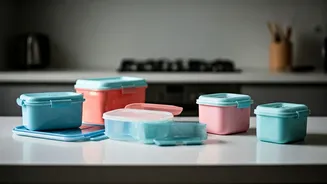
Forget the simple plastic boxes or basic steel containers of the past. Today’s heat-safe lunchboxes are marvels of design and engineering. The secret lies in insulation technology. Many popular models feature double-walled stainless steel construction
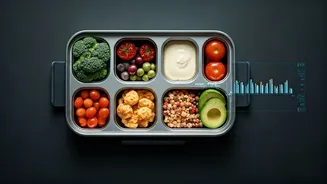
with a vacuum seal in between. This design, known as VacuTherm or similar, dramatically slows down heat transfer, keeping hot food steamy and cold items chilled for anywhere from four to eight hours. Brands like Vaya, Milton, and Borosil are leading the charge, offering multi-tiered containers made from food-grade stainless steel that resists stains and odours, ensuring your meal tastes exactly as it should. With features like leak-resistant lids, collapsible handles, and slim profiles designed to slide easily into a backpack or office bag, these aren't just containers; they're sophisticated meal-carrying systems.
The Science of a Safer Lunch
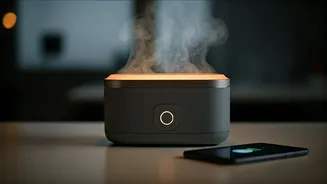
The rise of the heat-safe lunchbox isn’t just about enjoying a warm meal; it's a serious matter of food safety. Bacteria thrive in what food safety experts call the 'danger zone'—temperatures between 4°C and 60°C. In a warm climate, a packed lunch left at room temperature can quickly enter this zone, increasing the risk of foodborne illness. Traditional tiffins offer little protection against the ambient heat. Insulated lunchboxes directly address this problem by maintaining a safe temperature for much longer. This is crucial for anyone with a long commute or without access to a refrigerator at work or school. Some models even take it a step further. Electric tiffins, like those from Milton, include a plug-in heating element that can warm your food in about 30-45 minutes before you eat, ensuring it’s both delicious and safely heated.
Explaining the 'Practical Flex'
So, what makes a lunchbox a 'flex'? In modern slang, to 'flex' is to show off, but in this context, it’s not about flashy wealth. The 'practical flex' is about showcasing a smart, organised, and health-conscious lifestyle. Carrying a sleek, high-performance lunchbox sends a subtle message: you value home-cooked food, you’re on top of your health, and you invest in quality and efficiency. It’s a statement of self-care. The designs themselves contribute to this status. With an array of colours, graphic prints, and premium finishes like polished or copper-coated steel, these lunchboxes have become a style accessory. They reflect a modern Indian sensibility that blends tradition—the cherished 'ghar ka khana'—with a forward-thinking appreciation for technology and design.
A Sustainable and Smart Investment
Beyond style and safety, the shift towards high-quality, heat-safe lunchboxes is also an eco-friendly choice. Built from durable materials like stainless steel, these tiffins are designed to last for years, reducing the reliance on single-use plastic containers and disposable packaging. While the initial cost may be higher than a standard plastic box, they are a cost-effective investment in the long run. By making it easier and more appealing to carry food from home, they reduce the daily expense of buying lunch from canteens or restaurants. This not only saves money but also gives you complete control over the ingredients and nutritional quality of your meals, which is a significant health benefit.
Choosing Your Perfect Lunch Partner
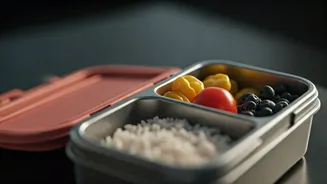
With a growing market, selecting the right heat-safe lunchbox depends on your specific needs. Consider the capacity—are you packing a light meal or a full feast? Look for the stated insulation time to ensure it matches your daily schedule. Leak-proof lids are non-negotiable, especially if you carry curries or dal. For those with access to a power outlet, an electric tiffin might be the perfect solution for a piping hot meal every time. Others might prefer the passive insulation of a vacuum-sealed model. Also, consider the materials; stainless steel is prized for its durability and hygiene, while some brands offer BPA-free, microwave-safe inner containers for added versatility.