







The Ancient Grain's Modern Appeal
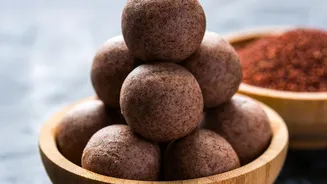
Finger millet, known locally as ragi, nachni, or kezhvaragu, is no newcomer to the Indian diet. For thousands of years, this hardy grain has been a staple, especially in the southern and western states, valued for its ability to grow in tough, arid conditions.
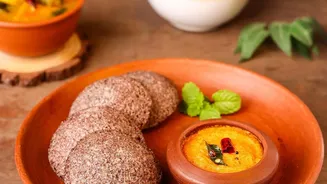
Traditionally, it was consumed as a simple porridge or in dishes like ragi mudde (steamed dumplings) to fuel farmers through long days. Once dismissed as a “poor man’s crop,” ragi is now being championed as a superfood, finding its way into the heart of urban wellness culture. The reasons for this resurgence are a blend of health consciousness, a yearning for tradition, and smart business sense.
A Nutritional Powerhouse in a Glass
The primary driver behind ragi’s revival is its incredible nutritional profile. It is packed with calcium—reportedly containing ten times more than rice or wheat—making it excellent for bone health. It is also a fantastic source of dietary fibre, which aids digestion, helps in weight management by keeping you full longer, and plays a role in regulating blood sugar levels. Its high fibre content and low glycemic index make it particularly beneficial for individuals managing diabetes. Furthermore, ragi is rich in iron, helping combat anaemia, and loaded with antioxidants that are believed to reduce stress and contribute to better skin health. For today’s health-aware consumers, a ragi-based drink is more than a beverage; it’s a functional food that nourishes.
From Traditional Malt to Trendy Lattes
Urban cafes aren’t just serving the traditional ragi malt (a warm drink often made with milk and jaggery) that many Indians grew up with. They are innovating. You’re now likely to find ragi in a variety of modern, appealing forms, such as chilled ragi smoothies blended with fruits, savoury and tangy fermented ragi ambali, or even as a caffeine-free ragi latte. For instance, the traditional South Indian drink 'ambali' or 'koozh', a fermented probiotic beverage, is being rediscovered and presented in chic new ways. This creative rebranding makes the ancient grain accessible and exciting for a new generation of consumers who might not have tried it otherwise.
The Pull of Nostalgia and Authenticity
The trend also taps into a deeper cultural current: a return to roots. In a market flooded with global food trends, there's a growing appreciation for local, traditional, and authentic Indian ingredients. Consumers are increasingly looking for products that feel familiar and are sourced locally. For many, ragi evokes a sense of nostalgia and a connection to their heritage. This shift is part of a larger movement towards embracing India's own culinary traditions and superfoods rather than relying on imported wellness fads. Cafes that incorporate ragi into their menus are not just offering a healthy option; they are telling a story of cultural pride and rediscovery.
Good for the Planet and the Bottom Line
Beyond consumer appeal, finger millet makes sound business and environmental sense. As a crop, ragi is famously resilient, requiring minimal water and fewer pesticides than rice or wheat. This makes it a climate-smart crop that supports sustainable agriculture and smallholder farmers. For cafe owners, using a locally sourced ingredient like ragi can be more cost-effective than imported coffee beans or exotic superfoods, potentially leading to better profit margins. By promoting ragi, cafes are participating in a larger movement that benefits farmers, the environment, and their own business, creating a win-win-win situation.