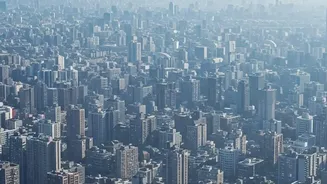





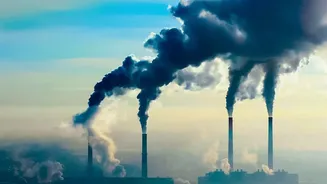
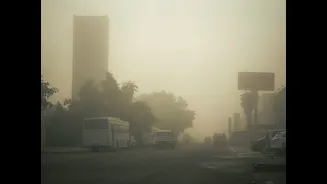
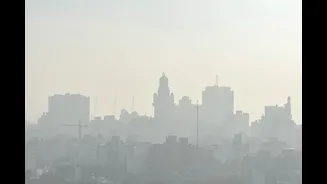
The grey haze that blankets many Indian cities is more than just a grim sight. It's a growing economic crisis that reaches directly into the wallets of ordinary families, turning polluted air into missed workdays and lost household income.
The Nation's Staggering Economic Toll
The scale of
the economic damage caused by air pollution in India is immense. According to a recent Lancet report, premature deaths and illnesses linked to air pollution cost the country an estimated 1.36% of its Gross Domestic Product (GDP) in 2019, which translates to tens of billions of dollars. Some estimates place the total economic losses even higher, at up to 9.5% of GDP when accounting for broader impacts. These are not just abstract numbers; they represent a massive drain on the nation's productivity and potential. The loss comes from a combination of factors: premature deaths reducing the workforce, increased healthcare expenditure, and lower productivity across the board. A World Bank paper even found that higher PM2.5 exposure directly slows down district-level GDP growth year after year.
From Smoggy Skies to Sick Days
The link between breathing toxic air and getting sick is well-established. Long-term exposure to pollutants like PM2.5 is a major driver of respiratory illnesses, heart disease, strokes, and even diabetes. A comprehensive review of five decades of research in India found that over 90% of studies confirmed a strong link between air pollution and adverse health outcomes, with respiratory diseases being the most common issue. When air quality deteriorates, especially during winter months, hospitals see a surge in patients with breathing difficulties. For millions of people, this translates directly into forced time off from work. One survey revealed that in affected states, more than 65% of people suffering from respiratory illnesses missed at least one day of work or school.
A Day Off is a Day Without Pay
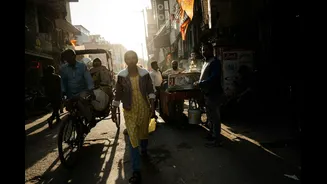
For a salaried employee with paid sick leave, a day of illness is an inconvenience. For an informal worker, it's a financial disaster. India's economy is heavily reliant on its informal sector, which includes construction workers, street vendors, daily wage labourers, and gig workers. For this vast population, there is no work-from-home option and no paid time off. A sick day means a complete loss of income. When pollution alerts lead to government-mandated shutdowns of construction sites, thousands of migrant workers face an immediate livelihood crisis. This creates a cruel paradox: the very people most exposed to toxic outdoor air are also the first to lose their income when pollution-control measures are enacted.
The Unequal Burden of Bad Air
The health and financial impacts of air pollution are not distributed equally. It is the most vulnerable sections of society that bear the heaviest burden. Outdoor workers like street vendors and delivery personnel spend their days breathing in toxic fumes, leading to higher rates of illness. A study focused on informal settlements in Delhi found that 91% of residents reported feeling sick when air quality worsened. These communities, often located near pollution hotspots like landfills, face a double jeopardy of hazardous living and working conditions. Women and children in low-income households are also disproportionately affected, often exposed to both outdoor pollution and indoor pollution from burning solid fuels for cooking. While wealthier households can invest in air purifiers and better healthcare, the poor are left with little protection.
The Hidden Costs of Getting Sick
The economic pain doesn't stop at lost wages. When a family member falls ill due to pollution, the household faces a cascade of additional costs. Out-of-pocket expenditure on doctor's visits, medication, and diagnostic tests can drain savings. In India, where a significant portion of healthcare spending is paid directly by individuals, a chronic illness like asthma or bronchitis becomes a recurring financial strain. In severe cases, patients have reported spending up to 19% of their income on treatment for pollution-related ailments. Furthermore, there is the cost of 'presenteeism'—when employees show up to work but are less productive due to illness, a phenomenon business leaders say can reduce output by 8-10% on highly polluted days. This cycle of sickness, medical bills, and reduced productivity can trap families in a state of financial precarity.