






The Ritual of Comfort
There are few things as deeply woven into the fabric of daily life in India as a cup of chai. But when the temperature drops or the monsoon clouds gather, it transforms from a simple routine into a cherished ritual. The humble cup of spiced tea becomes
a vessel of warmth, a shield against the damp chill, and an excuse for a welcome pause. It’s the sound of a steel pot simmering on the stove, the fragrant steam fogging up kitchen windows, and the clinking of glasses that provides a comforting soundtrack to a rainy afternoon. This isn’t just about quenching thirst; it’s about seeking and finding comfort in a familiar, aromatic brew that feels like a hug from the inside.
A Symphony of Spices
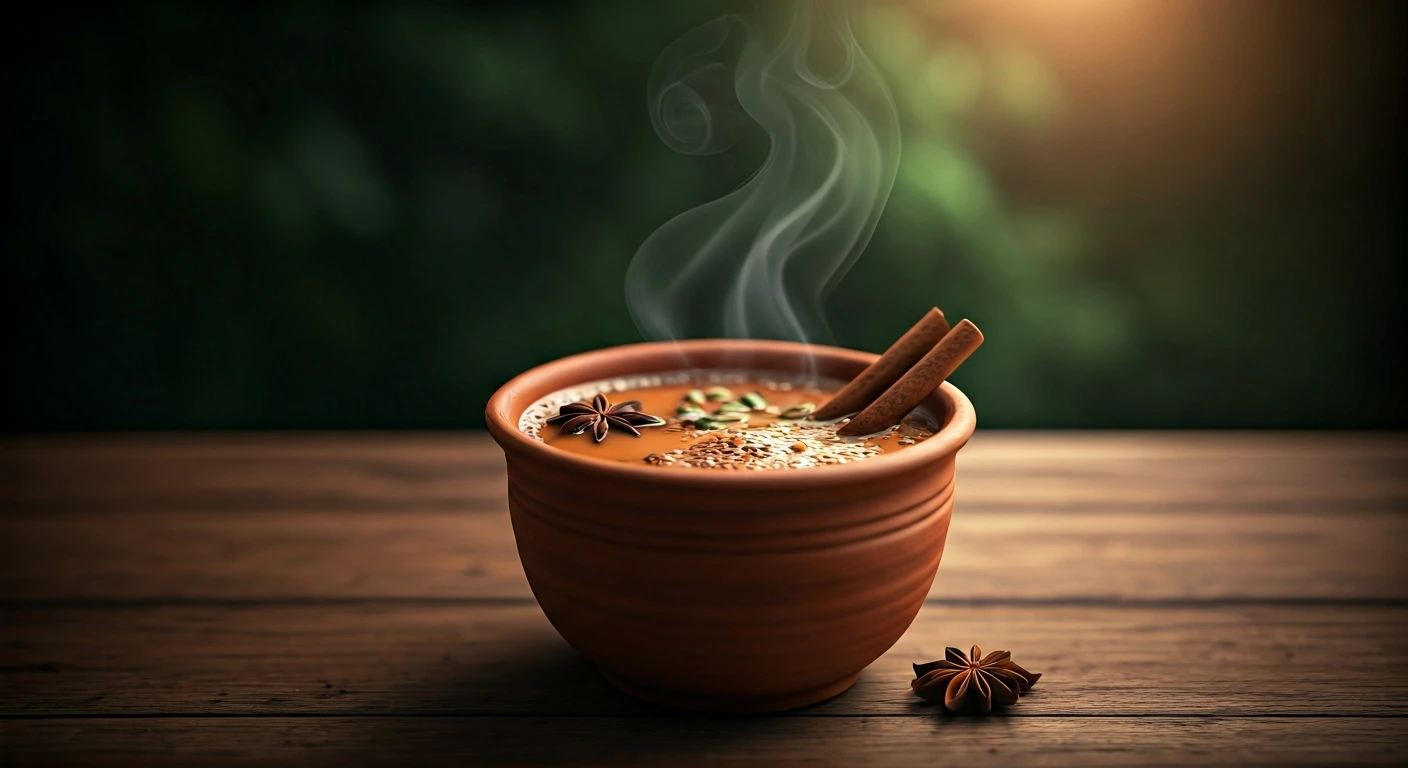
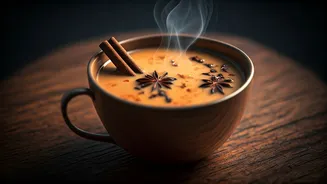
What makes masala chai the undisputed king of beverages for this season? The answer lies in its masterful blend of spices, a combination that feels both invigorating and soothing. Each ingredient plays a crucial role. Fiery ginger (adrak) provides a sharp, warming kick, believed in Ayurveda to aid digestion and fight off colds. Green cardamom (elaichi) lends its sweet, floral aroma, a scent synonymous with celebration and hospitality. Cloves (laung) add a pungent, woody depth, while cinnamon (dalchini) offers a sweet and spicy warmth. Often, a hint of black pepper (kali mirch) is added to amplify the heat. This isn't a random assortment; it's a carefully constructed symphony of flavours designed to warm the body and delight the senses, making it the perfect antidote to gloomy weather.
Mastering Your Home Brew
While you can get a good cup of chai at any street-side stall, a homemade brew during a downpour is an experience unto itself. The secret to a truly exceptional cup lies in the details. Start by freshly crushing your spices—a quick pounding in a mortar and pestle releases their essential oils and deepens the flavour far more than using pre-ground powders. Begin by boiling the spices and tea leaves in water first. This allows their flavours to fully infuse before you add milk. The ratio is a matter of personal taste, but a 1:1 water-to-milk ratio is a great starting point for a rich, creamy chai. Finally, don't rush the process. Let the mixture simmer on low heat for a few minutes, allowing the milk to absorb the complex notes of the spices. This patient simmer, known as ‘kadhna’, is what separates a good chai from a great one.
More Than Just a Drink
The cultural significance of chai during this season goes beyond its physical warmth. It’s a social catalyst. The offer of “Chalo, chai peete hain” (Come on, let’s have tea) is an invitation to connect. It’s the backdrop for conversations with family, for catching up with friends who are huddled indoors, and for watching the world go by from a dry balcony. Paired with classic rainy-day snacks like pakoras, samosas, or biscuits, it creates a simple yet profound moment of joy and togetherness. In a fast-paced world, the ritual of preparing and sharing chai forces a slowdown, encouraging us to be present and savour the moment.