


Why Drainage Is Non-Negotiable
Before picking a single pot, it's essential to understand why drainage is the most critical factor for success. Without a path for excess water to escape, soil becomes waterlogged. This suffocates plant roots, cutting off their oxygen supply and leading
to root rot, a common and often fatal issue in container gardening. Proper drainage ensures that water moves through the soil, pulling oxygen down to the roots and flushing out salts that can build up over time. In a vertical system, where gravity pulls water downwards, poor drainage at the bottom can drown lower-tier plants while those at the top remain thirsty. Ultimately, good drainage prevents fungal diseases, discourages pests that love standing water, and creates a healthy environment for roots to thrive.
Choosing Your Container Material
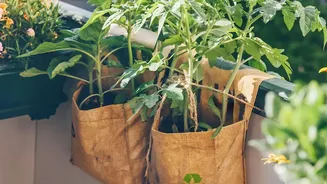
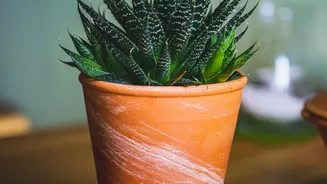
The material of your planter affects its weight, durability, and drainage properties. Fabric pockets, for instance, are lightweight and offer excellent aeration, which helps prevent overwatering as the material breathes. Plastic containers are affordable and retain moisture well, but it's vital to ensure they have an adequate number of drainage holes. Terracotta and clay pots are porous, allowing moisture to evaporate through their walls, but this means they dry out faster and can be heavy and fragile. Metal planters offer a modern look but can get hot in direct sun, potentially harming roots, and may rust without proper treatment. For a rustic aesthetic, wood is a great choice, though you'll want to select a rot-resistant type like cedar or ensure it has a protective liner.
Common Vertical Planter Systems
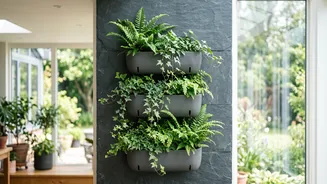
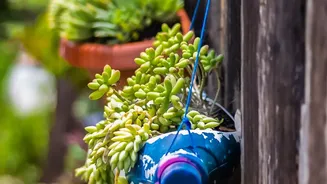
Vertical gardens come in several popular formats. Pocket planters, often made of felt or canvas, consist of multiple pockets sewn onto a sheet that you can hang on a wall. The fabric material naturally allows for good drainage. Tiered or stacked planters are freestanding units with multiple levels of pots, often designed so that water flows from the top tier down to the ones below. Wall-mounted systems can be anything from individual pots attached to a frame to modular tray systems where each section has its own drainage. For DIY enthusiasts, repurposed rain gutters, wooden pallets, or even plastic bottles can be transformed into functional planters, provided you add drainage holes yourself.
Ensuring Excellent Drainage
Whether you buy a pre-made system or build your own, a few principles will guarantee healthy plants. First, every container must have drainage holes. If they don't, you must drill them. The number and size of holes should correspond to the planter's size; larger pots need more or bigger holes to drain evenly. It's a common myth that a layer of gravel at the bottom improves drainage; in reality, it can create a zone of stagnant water just above the gravel layer. A better solution is to use a high-quality, lightweight potting mix designed for containers, as garden soil is too dense and compacts easily. To prevent soil from washing out, you can place a piece of mesh or a coffee filter over the hole before adding soil. Finally, elevating planters on feet helps ensure the holes don't get blocked.