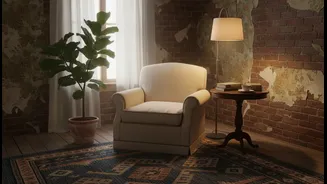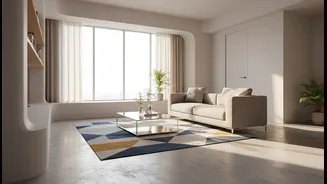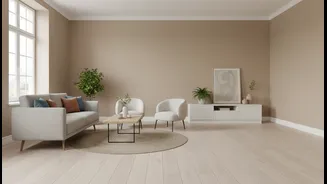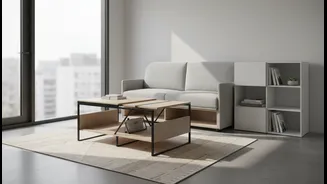







The 360-Degree Design Philosophy
In a compact room, you don't have the luxury of hiding a piece of furniture's 'bad side' against a wall. Every item is constantly on display as you move around it. This is why the 360-degree rule is so critical. It means that a piece of furniture—be it a coffee
table, a chair, or even a small sofa—must be visually appealing and functional from the front, back, and sides. More than just aesthetics, this approach is about maintaining a sense of openness and flow. When furniture works from every angle, it doesn't create visual blockades, making the entire room feel more cohesive, intentional, and spacious.
Prioritise Unobstructed Pathways
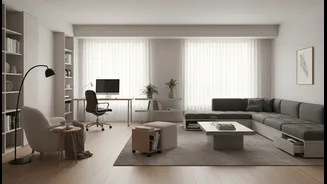
The primary goal in a small room is to move with ease. Before you place anything, consider the natural pathways—from the door to the window, or from the sofa to the bookshelf. Your furniture should never obstruct these paths. A bulky armchair with sharp corners can jut out and create an awkward bottleneck, while a round ottoman allows for a smoother flow. When arranging pieces, ensure there's enough space to walk comfortably around them. A common mistake is pushing everything against the walls, which can paradoxically make a room feel static and cramped. Sometimes, floating furniture away from the walls creates a more dynamic and open layout.
Choose 'Floating' and Leggy Pieces
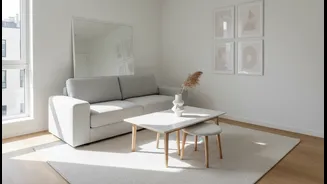
One of the most effective tricks for creating an illusion of space is to choose furniture that 'floats'. This refers to pieces with exposed legs, such as sofas, consoles, and side tables that are raised off the ground. When you can see the floor continuing underneath the furniture, your eye perceives the room as larger and more open. Heavy, solid pieces that sit directly on the floor can feel visually cumbersome and halt the flow of the room. In contrast, a slim-legged armchair or a minimalist media unit on hairpin legs allows light and air to circulate more freely, contributing to a brighter, less cluttered environment.
Embrace Rounded Shapes and Armless Designs
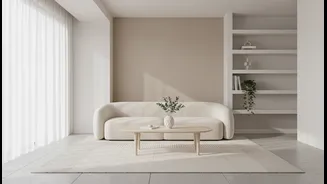
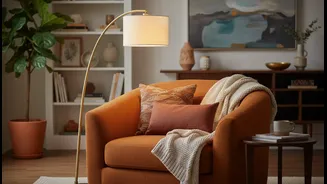
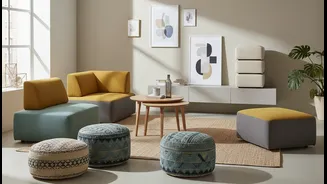
Sharp corners are the enemy of small spaces. They take up more visual and physical space and can be hazardous in tight quarters. Furniture with soft, rounded edges is far more forgiving. A circular coffee table is easier to navigate than a square one, and a sofa with curved arms feels less imposing than one with a rigid, boxy frame. Similarly, consider armless chairs or settees. They provide the necessary seating without the extra bulk of arms, saving precious inches and offering more flexibility in placement. These pieces are inherently more inviting from multiple angles and help soften the overall look of the room.
Think Beyond Traditional Placement
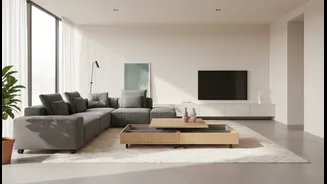
Fight the instinct to line up all your furniture against the perimeter. In many small rooms, floating the main seating area away from the walls can define the space more effectively. By pulling your sofa and a couple of chairs into a conversational grouping in the centre of the room, you create clear walkways behind them. This arrangement makes the room feel more purposefully designed. A sofa table placed behind the couch can add storage and a display surface, making the back of the sofa a feature rather than an afterthought. This strategy works especially well in open-plan living areas where you need to create distinct zones for different activities.
Invest in Multi-Functional Heroes
In a small room, every piece should work hard. Multi-functional furniture is essential, but it too must adhere to the 360-degree rule. A storage ottoman is a classic example; it serves as a footrest, extra seating, and a coffee table, all while hiding clutter. But does it look good from the doorway and the sofa? A nest of tables is another hero piece, offering flexible surface area that can be tucked away when not in use. Even a simple side chair should be lightweight enough to be pulled into a conversation or used as a temporary luggage stand. The more roles a piece can play, the more valuable it is—but only if it looks good while doing them from every angle.