

Understanding Your Core
When we talk about the core, it's more than just the six-pack muscles (rectus abdominis). In yoga, the core is seen as a complete system that wraps around your torso like a natural corset. This includes deep abdominal muscles, the muscles along your spine,
your pelvic floor, and even your diaphragm. Unlike traditional ab exercises that can sometimes strain the back, yoga focuses on integrated, functional strength. It teaches these muscles to work together, which not only builds stability but also supports better posture and makes everyday movements feel easier and safer.
Bird-Dog Pose (Dandayamana Bharmanasana)
This beginner-friendly pose is exceptional for building stable core strength without putting pressure on the spine. As you extend your opposite arm and leg, your abdominal and lower back muscles must work together to keep your torso steady and your hips level. This trains the core to resist rotation and maintain balance.How to do it: Start on your hands and knees in a tabletop position, with wrists under shoulders and knees under hips. Engage your abs, pulling your navel toward your spine to keep your back flat. Inhale and extend your right arm straight forward and your left leg straight back. Hold for a few deep breaths, focusing on keeping your body in a straight line. Exhale as you lower back down, and repeat on the other side.
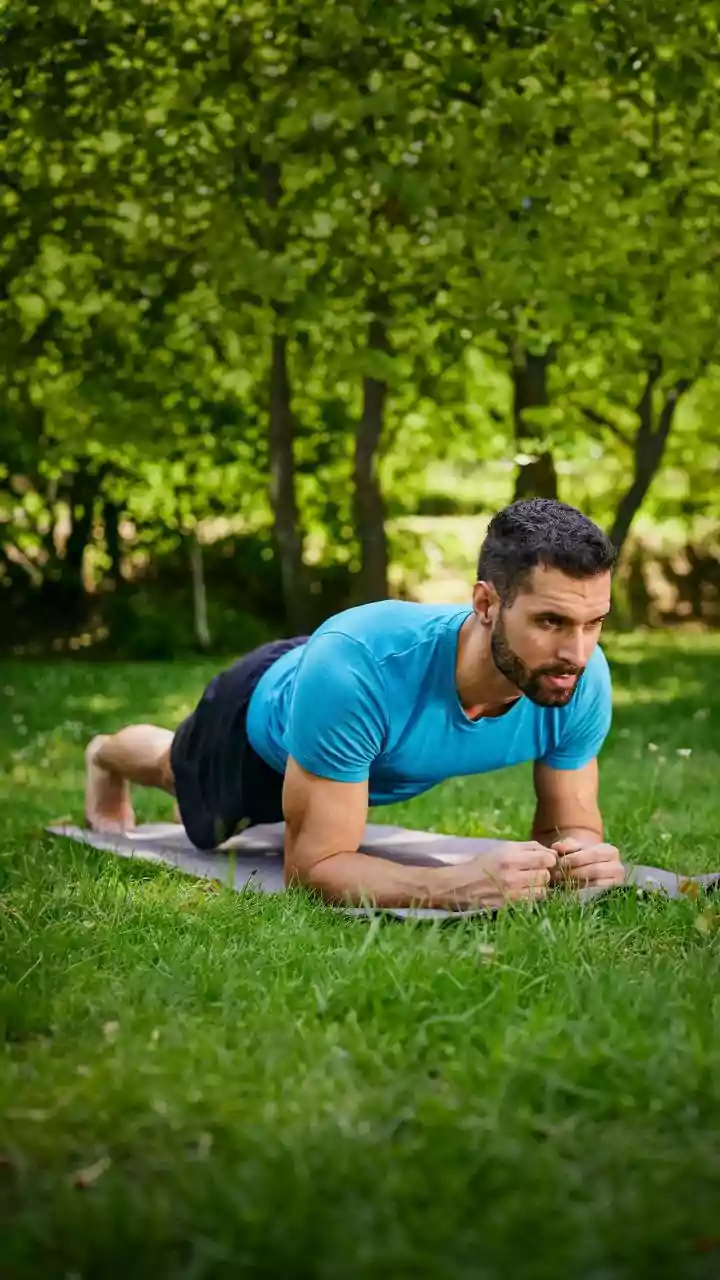
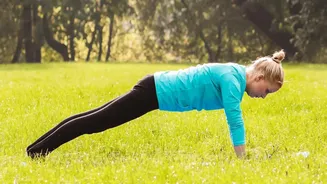
Plank Pose (Phalakasana)
Plank is a fundamental pose for a reason: it engages multiple muscle groups across your entire core simultaneously. It's an isometric exercise where you build strength by holding the position. To do it gently, you can start with a Forearm Plank, which is less demanding on the wrists.How to do it: From a tabletop position, place your forearms on the mat with elbows under your shoulders. Extend your legs back one at a time, coming onto the balls of your feet. Your body should form a straight line from your head to your heels. Avoid letting your hips sag or rise too high. Gently draw your belly in and up, engage your thighs, and press back through your heels. Hold for 20–30 seconds, breathing steadily, and build up your time as you get stronger.
Bridge Pose (Setu Bandhasana)
While it may seem like a backbend or glute exercise, Bridge Pose is a fantastic and gentle core strengthener. Your core muscles, particularly the transverse abdominis, work hard to stabilize your hips and spine as you lift. This builds functional strength that supports your lower back.How to do it: Lie on your back with your knees bent and feet flat on the floor, hip-width apart. Rest your arms alongside your body with palms down. On an exhale, press through your feet and lift your hips off the floor. Keep your thighs parallel. Clasp your hands underneath your back if accessible. Hold the pose, breathing deeply and keeping your core engaged to prevent your back from arching too much. To release, slowly lower your spine back down to the mat, one vertebra at a time.
Modified Boat Pose (Navasana)
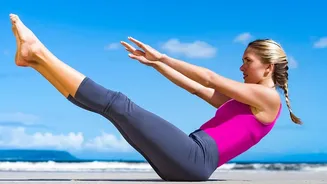
Boat Pose is one of the most efficient yoga poses for core strength because it engages the abs, hip flexors, and back muscles all at once. The key is to find a variation that is challenging but allows you to maintain good form. A gentle modification is often best to start.How to do it: Sit on the floor with your knees bent and feet flat. Place your hands lightly on the floor behind you for support. Engage your core and lift your chest. Keeping your spine long, lift your lower legs until they are parallel to the floor, creating a V-shape with your torso and thighs. You can keep your hands behind you for support or extend them forward. Hold for several breaths, focusing on drawing your navel inward and keeping your chest lifted.
The Power of the Hold
The magic of using yoga for core strength lies in holding the poses. This sustained engagement builds endurance and stability in the muscles. It also gives you time to focus on your alignment and breathe deeply, which creates a stronger mind-body connection. Instead of rushing through movements, you are teaching your core to provide constant, steady support. This translates directly into better posture and a reduced risk of injury in your daily life.