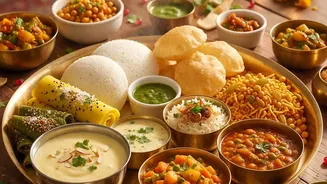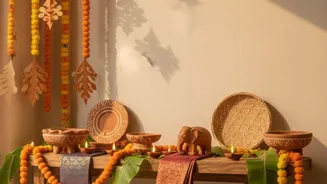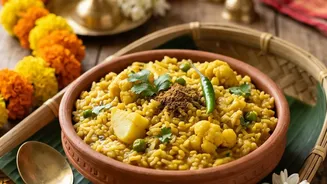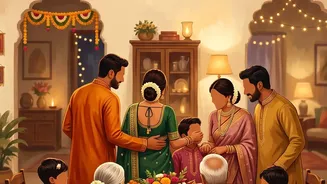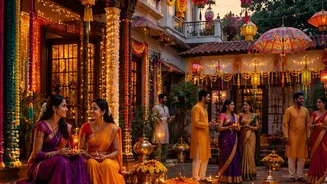

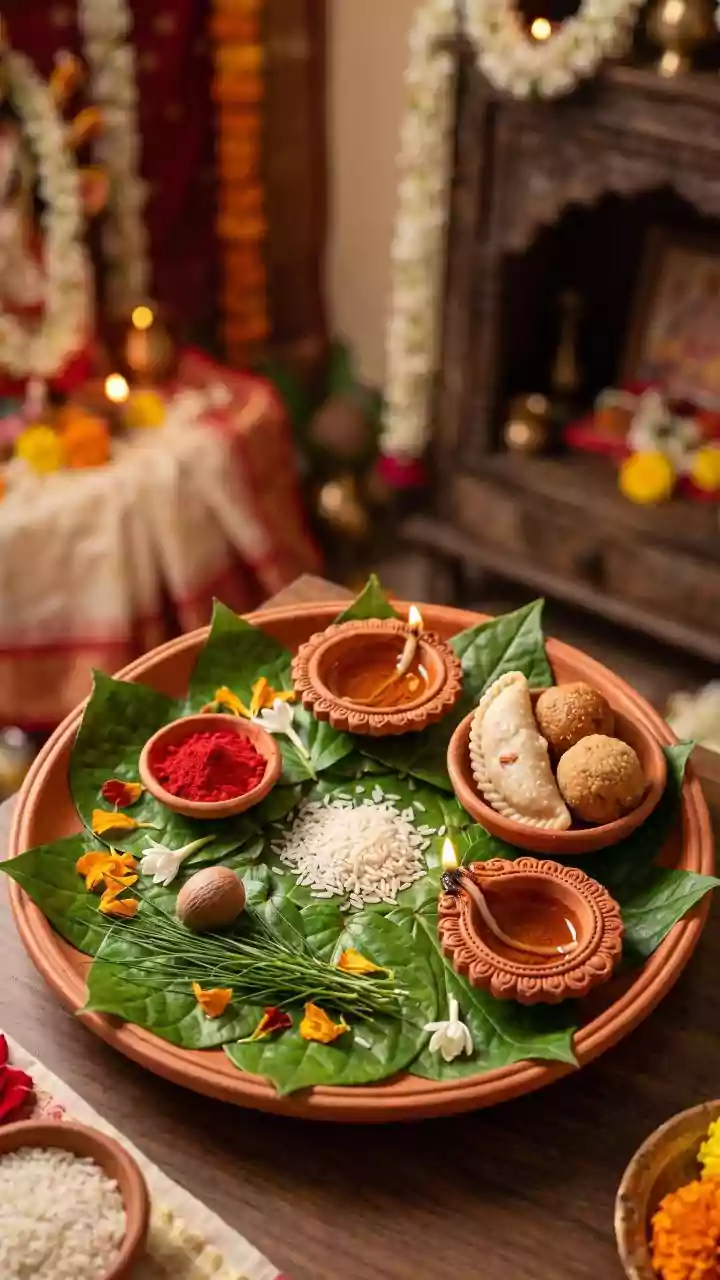


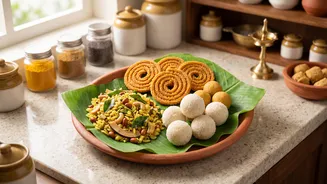
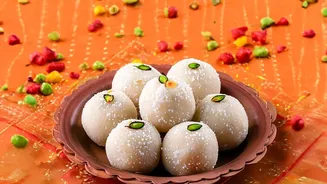
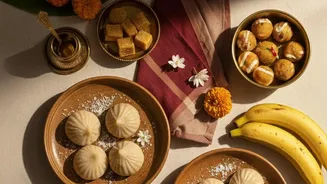
The aroma of homemade sweets, the flicker of countless diyas, the intricate art of rangoli at the doorstep. These images of Diwali are timeless, yet for many urban Indian families, they now come with a modern twist. How is this balance struck?
The Convenience Economy Arrives
In the fast-paced
life of India’s bustling cities, time is the ultimate luxury. For dual-income couples and nuclear families, dedicating days to deep cleaning, sweet making, and elaborate decorating can feel daunting. This is where the convenience economy has seamlessly woven itself into the fabric of the festival. E-commerce giants and quick-commerce apps report massive surges in orders for everything from puja thalis and decorative lights to gifts and groceries. Instead of spending hours in crowded markets, families can now source their festive needs with a few taps on a smartphone, delivered directly to their doorstep. This isn't about laziness; it's a pragmatic adaptation to modern work-life pressures. Professional cleaning services are hired for the annual home cleanse, and ordering sweets online has become a common practice, freeing up time for families to focus on the rituals and togetherness that lie at the heart of the celebration.
Redefining 'Homemade' and 'Handmade'
The definition of tradition itself is becoming more flexible. While the vision of grandmothers painstakingly preparing sweets from scratch persists, 'homemade' today might mean using a ready-made batter or a meal kit. Similarly, the cherished tradition of creating a rangoli is evolving. Instead of complex, free-hand designs, many opt for stencils or even attractive rangoli stickers to save time without sacrificing the welcoming symbolism. The essence of the tradition—beautifying the home to welcome the goddess Lakshmi—remains intact, even if the method has changed. The shift is from 'doing everything from scratch' to 'doing it together'. A family might gather to paint store-bought clay diyas or assemble a decorative toran from a DIY kit, preserving the spirit of shared activity.
The Rise of Conscious Celebrations
Interestingly, the move towards convenience has coincided with another powerful trend: conscious consumerism. Many urban families are now actively seeking out eco-friendly and sustainable ways to celebrate. This has led to a revival of traditional clay diyas over plastic or electric lights, and a preference for biodegradable decorations. The conversation around firecrackers has shifted dramatically, with a growing number of families opting for a quieter, pollution-free Diwali, focusing instead on light and community. So-called 'green crackers' or even innovative 'seed crackers' that grow into plants are gaining traction. This new tradition, born from modern environmental awareness, shows that families are not just seeking convenience but are also embedding new values into their festive practices.
What Remains Unchanged?
Despite all the modern adaptations, the core spirit of Diwali endures. The festival remains a powerful anchor for family bonding. The central rituals, like the Lakshmi Puja, are still performed with reverence in most homes, serving as a moment for families to gather and pray for prosperity and well being. The act of gifting, while now often facilitated by online platforms and personalised hampers, continues to be a primary way of expressing love and strengthening social ties. Families may connect with distant relatives via video calls, but the desire to be physically present, to share a meal, and to create shared memories remains the festival's most powerful draw. Ultimately, the shortcuts and modern tools are used in service of this fundamental goal: to make the celebration of togetherness more accessible, not to replace it.