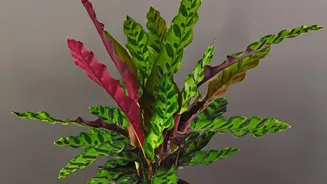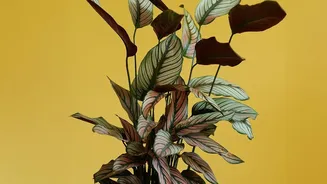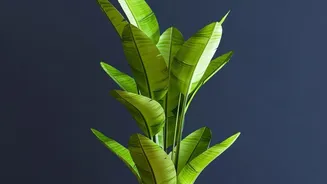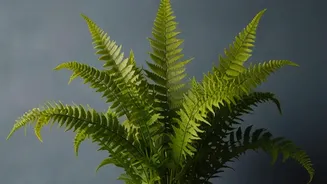





Dreaming of a lush, tropical escape in your own home or garden? The Calathea lutea, with its magnificent, architectural leaves, might be the perfect statement plant to bring that vision to life. This guide will walk you through its care.
Meet the 'Cigar Calathea'
Native to the
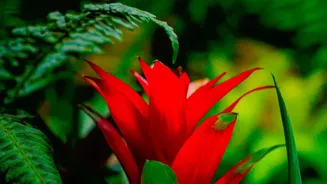
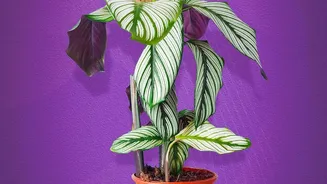
tropical Americas, Calathea lutea is a standout member of the Marantaceae family, often called 'prayer plants'. It's commonly known as the Cigar Calathea or Cuban Cigar, not for its leaves, but for its unique, cigar-shaped flower bracts that can be yellow, brown, or red. While many Calatheas are famous for intricate patterns, the Lutea variety makes its mark with sheer size and form. Its giant, paddle-like leaves can grow incredibly large, making it a dramatic focal point and an architectural wonder in any plant collection.
The Allure of the Leaf
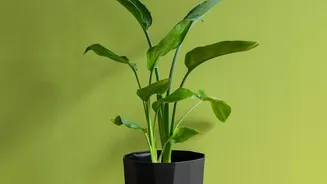
The main attraction of the Calathea lutea is its foliage. The leaves are broad, leathery, and held upright on long stems, designed by nature to capture dappled sunlight on the rainforest floor. They are a vibrant green on top with a waxy, often silvery or purplish underside that adds a subtle complexity to their look. Wiping the large leaves with a damp cloth not only keeps them clean for better photosynthesis but also enhances their natural sheen, making their presence even more commanding. Their size alone, sometimes reaching over a metre in length, creates an instant jungle-like atmosphere.
Finding the Perfect Spot
Like its relatives, Calathea lutea thrives in bright, indirect light. Direct, harsh sunlight will scorch its beautiful leaves, causing them to burn, fade, or develop crispy edges. An ideal indoor location is near an east or north-facing window, or a few feet away from a brighter window where the light is filtered. Outdoors, it needs a spot with high shade, such as under a canopy of taller trees, to protect it from the intense afternoon sun. It’s also sensitive to drafts, so keep it away from air conditioning vents or sudden temperature changes.
Water, and Especially, Humidity
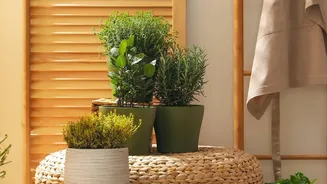
Consistent moisture is key, but the number one rule is to avoid soggy soil, which leads to root rot. Water your Calathea lutea when the top inch or two of the soil feels dry. These plants can be sensitive to chemicals in tap water, so using filtered, distilled, or rainwater is often recommended to prevent browning leaf tips. Even more important than water is humidity. Calatheas are tropical natives that crave moist air, ideally between 50–70%. In dry homes, especially during winter, you'll need to boost humidity by grouping plants together, using a pebble tray with water, or placing a humidifier nearby.
Soil and Feeding Needs
A well-'draining,' porous soil mix is essential. A good blend often includes potting soil,' peat or coir for moisture retention,' and perlite or orchid bark to ensure good aeration and prevent waterlogging. During the growing season of spring and summer,' you can feed your Calathea lutea with a balanced liquid fertiliser diluted to half-'strength about once a month. Reduce feeding in the autumn and winter when the plant's growth naturally slows down. Over-'fertilising can cause a buildup of salts in the soil and burn the plant's roots.
Common Problems to Watch For
Calatheas are known for being a bit 'fussy', and they will show you when they are unhappy. Crispy,' brown leaf edges or curling leaves are a classic sign that the air is too dry. Yellowing leaves often point to overwatering and potential root rot. This plant is also susceptible to pests like spider mites,' especially in low-'humidity conditions. Regularly inspect the large leaves,' including the undersides,' for any signs of webbing or tiny pests. If you spot any,' treat them promptly with an appropriate insecticidal soap or neem oil.