







From Pacific Ocean to Local Weather
First, a quick refresher. El Niño is a naturally occurring climate pattern, characterised by warmer-than-average sea surface temperatures in the central and eastern Pacific Ocean. This seemingly distant event has a massive ripple effect, altering weather
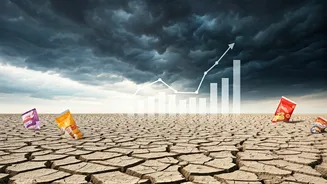
patterns worldwide. For India, it is often associated with a weaker southwest monsoon, leading to lower rainfall and higher temperatures. The India Meteorological Department (IMD) has already forecast a high probability of a deficient monsoon for 2026, with rainfall projected to be below the long-period average. This sets the stage for potential disruption, starting with the very foundation of our economy: agriculture.
The First Domino: Stressed Farms
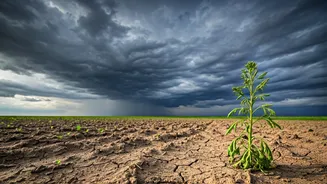
A weak or erratic monsoon is more than just a weather story; it's a direct threat to India's agricultural output. The kharif (summer) sowing season, which depends heavily on monsoon rains, is the first to feel the impact. Delays in the monsoon's arrival and significant rainfall deficits have already been recorded, impacting the sowing of major crops like rice, pulses, oilseeds, and cotton. Key agricultural commodities that serve as raw materials for the Fast-Moving Consumer Goods (FMCG) industry are particularly vulnerable. These include sugarcane, coffee, spices, and various edible oils, which form the building blocks of countless products on supermarket shelves, from biscuits and beverages to soaps and detergents.
The Ripple Effect on Rural Demand
The impact isn't limited to the supply of raw materials. Rural India, which accounts for a massive slice of FMCG sales—often between 30% and 50% for major companies—is highly dependent on farm income. When agricultural output suffers due to poor rainfall, rural incomes shrink. This directly affects purchasing power, leading to a slowdown in rural consumption. Consumers may start 'down-trading'—switching from branded products to cheaper, unbranded alternatives—or reducing the frequency of their purchases. Impulse buys and non-essential items are the first to be dropped from the shopping list. This creates a demand-side shock for FMCG companies, who have been relying on a recovering rural market for growth.
Boardrooms on High Alert
This is why corporate boardrooms are paying close attention to weather forecasts. Major FMCG players like Godrej Consumer Products (GCPL), Marico, and Dabur have begun to publicly flag El Niño as a key risk. In recent quarterly updates, companies have expressed concern that El Niño could disrupt agricultural output and, consequently, rural demand. While many express confidence in their ability to manage the situation through diversified sourcing and cost-saving measures, the warnings serve a dual purpose. They manage investor expectations and signal that tough decisions may lie ahead, including calibrated price hikes or reductions in package sizes—a strategy often called 'shrinkflation'—to protect margins without raising the sticker price.
What This Means for Your Shopping Cart
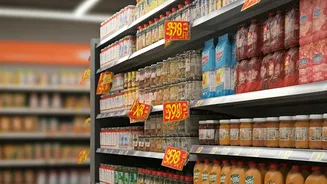
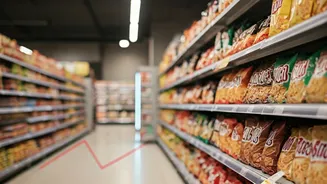
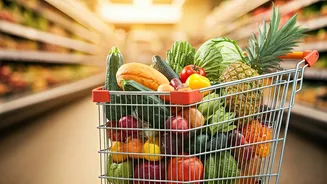
So, how does this chain reaction affect you? The most direct impact is on your household budget. Rising input costs for companies almost inevitably translate to higher prices for consumers. Commodities like sugar, coffee, cocoa, and palm oil are globally sensitive to El Niño, meaning prices can spike on international markets, further pressuring Indian firms that rely on imports for items like edible oils. You might notice your favourite biscuits are a little more expensive, the size of your chocolate bar has subtly shrunk, or your monthly grocery spend is creeping up. Categories like packaged foods, beverages, and personal care items are often the first to reflect these cost pressures. While companies are cautious, a prolonged period of weak agricultural output makes price adjustments more likely.