

The banana flower, or 'vazhaipoo', is a cherished ingredient in many Indian kitchens, but its preparation can seem daunting. Forget specialty tools; a simple method using just oil and a knife unlocks this delicious and healthy vegetable.
Your Simple Three-Part Toolkit
Before you begin,
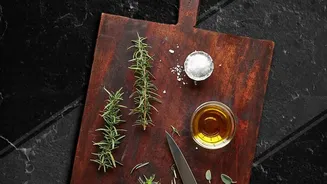
gather your essentials. First, a sharp knife for chopping. Second, a bit of coconut, sesame, or any neutral cooking oil to grease your hands; this is a crucial step to prevent the flower's sticky sap from staining your skin and nails. Third, prepare a large bowl of water mixed with a tablespoon of lemon juice, vinegar, or a few tablespoons of thin buttermilk or curd. This acidic bath is essential to prevent the chopped flower from oxidizing and turning brown, which also helps in reducing bitterness.
Step 1: Peel the Outer Layers
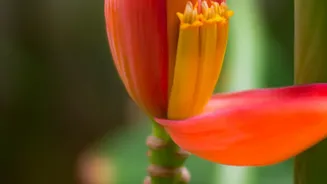
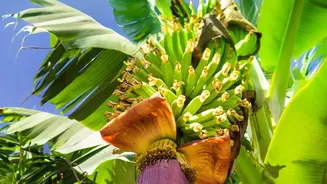
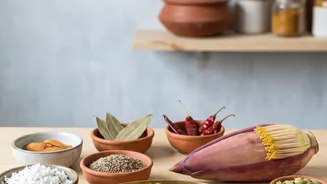
Start by peeling away the tough, purplish-red outer layers, known as bracts. Underneath each bract, you will find a neat row of pale-yellow florets. Remove these bunches of florets and set them aside. Continue peeling back the large bracts until you reach a point where they become smaller, paler, and tightly wrapped, forming the tender heart of the flower. The large outer bracts are usually discarded, though some use them as decorative serving bowls.
Step 2: Clean the Individual Florets
This is the most time-consuming but necessary part of the process. Take each individual floret and gently open it. Inside, you will find two parts that need to be removed: a single, stiff pistil that resembles a matchstick (sometimes called the stamen), and a small, translucent, scale-like petal called the calyx or tepal. These parts are tough, unpalatable, and can be bitter, so they must be discarded. Pluck them out with your fingers and discard them. As you work your way toward the flower's core, the florets will become smaller and more tender; for these, you may not need to remove anything. Once a floret is cleaned, drop it into your bowl of acidic water.
Step 3: Chop the Heart and Florets
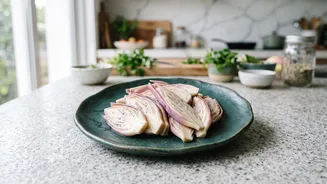
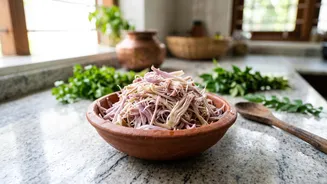
Once you can no longer easily peel the outer layers, you are left with the pale, tender core, often called the banana heart. This entire part is edible and does not require the same detailed cleaning as the outer florets. Simply chop this heart finely. Next, take the cleaned florets from the water bath and chop them finely as well. Immediately immerse all the chopped pieces back into the acidic water to keep them fresh and prevent discoloration while you finish your prep.
From Prep to Plate
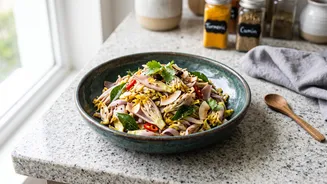
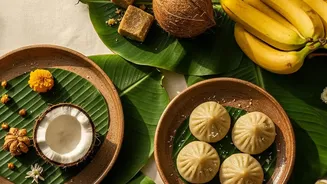
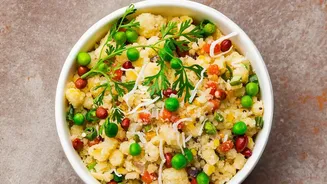
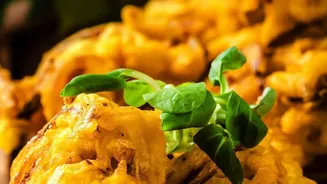
With your banana flower cleaned and chopped, you're ready to cook. This versatile vegetable has a mild, slightly nutty flavour and a texture often compared to artichokes. It's a fantastic, fibre-rich addition to many traditional dishes. In South India, it's popularly used to make 'vazhaipoo poriyal' (a simple stir-fry with coconut), flavourful 'vazhaipoo vadai' (lentil fritters), and hearty curries. The flower's ability to absorb spices makes it a standout ingredient in many preparations, offering both taste and significant health benefits, including being rich in antioxidants and minerals.