





A Nutritional Powerhouse
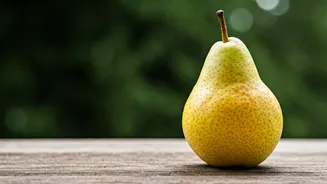
First and foremost, the rising demand for pears is rooted in a growing health consciousness among Indian consumers. Pears are packed with nutritional benefits that align perfectly with modern wellness goals. They are an excellent source of dietary fibre,
with a single medium-sized pear providing a significant portion of the daily recommended intake. This high fibre content aids digestion, helps prevent constipation, and promotes a feeling of fullness, which can assist in weight management. Furthermore, pears are rich in essential vitamins and antioxidants like Vitamin C and Vitamin K. These nutrients support the immune system, contribute to radiant skin health, and help combat oxidative stress in the body.
The Diabetic-Friendly Fruit
For a country with a growing concern around diabetes, the low glycemic index of pears is a major selling point. Unlike many other fruits, pears do not cause a sharp spike in blood sugar levels, making them a suitable and sweet option for individuals managing their blood sugar. Studies have even suggested that regular consumption of anthocyanin-rich fruits like pears is associated with a lower risk of developing Type 2 diabetes. This combination of natural sweetness without the associated sugar spike makes it an attractive choice for a wide range of consumers, from health-conscious millennials to older family members.
The Economic Sweet Spot
Beyond health, simple economics plays a crucial role. While apples have long been a dominant temperate fruit in India, pears often present a more budget-friendly alternative. With wholesale prices that can be quite competitive, pears offer a juicy, nutritious option that is easier on the wallet. This affordability makes them an accessible fruit for daily consumption rather than an occasional treat. The Indian pear market itself is experiencing significant growth, with projections showing a compound annual growth rate of 6.9% between 2025 and 2030. This indicates a strong and sustained demand from consumers.
Greater Variety and Availability
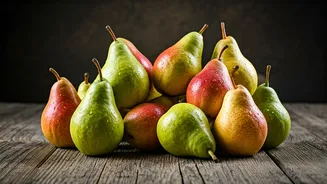
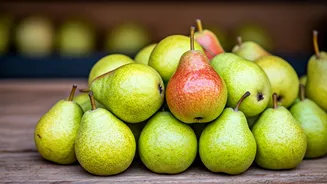
Gone are the days when only one or two types of pear were available. India cultivates over 20 varieties, from the crunchy 'Patharnakh' to the sweeter 'Babugosha'. These are primarily grown in states like Himachal Pradesh, Jammu and Kashmir, and Uttarakhand. In addition to local varieties, the market has seen an influx of imported pears, particularly from South Africa. Varieties like the Forelle and Vermont Beauty have become immensely popular, with one importer noting that South African pears now dominate the import market and are available year-round. This increased availability and wider choice cater to diverse palates and ensure that high-quality pears are on the shelves for more months of the year.