



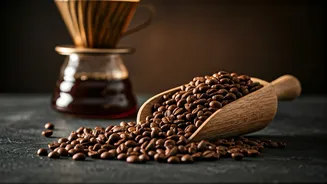
The Soulful Sip: What is Filter Coffee?
Before the global coffee chains arrived, there was filter coffee. For millions in South India, it’s not just a beverage but a daily ritual steeped in tradition. [5] The process is a patient art: finely ground coffee, often blended with chicory for a characteristic
rich and slightly bitter taste, is packed into a traditional metal filter. [6] Hot water is poured over, and a thick, potent liquid called a decoction slowly drips through. [6] This decoction is then mixed with hot, frothy milk and often served in a 'davara' and tumbler, a stainless steel set that also acts as a tool to cool the coffee and create its signature foam. [5] This entire practice is more than a caffeine fix; it’s a symbol of hospitality, community, and a comforting start to the day. [4, 5, 8]
From Kitchen Counters to Cool Cafes
For a long time, filter coffee remained a household staple, while a newer generation of urban Indians embraced the Western-style cafe culture of espressos, lattes, and cappuccinos. [6, 13] However, a significant shift is underway. A new wave of Indian coffee drinkers is now looking past global trends and reconnecting with their own heritage. [9] This has fueled a revival, pushing filter coffee from the home kitchen into the trendy spaces of modern cafes. [6] Brands like Third Wave Coffee and Blue Tokai, alongside a host of independent cafes, are now proudly featuring filter coffee on their menus, often giving it an artisanal twist. [16] They are applying the language of specialty coffee—talking about single-origin beans, roast profiles, and terroir—to a drink that was, until recently, simply 'home' coffee. [6]
The Modern Brew: Tradition with a Twist
Today's filter coffee revival isn't just about recreating the past; it's about reinterpreting it. New-age roasters and cafes are experimenting with 100% Arabica beans instead of the traditional Arabica-Robusta blend, and some are offering chicory-free versions to highlight the bean's natural flavours. [7, 11] Brands like Araku Coffee are focusing on organic, single-estate beans grown by tribal communities, bringing a story of sustainability and social impact to the cup. [11] Even the presentation is getting an upgrade, with some cafes serving the brew in stylish brass or ceramic tumblers. This modern approach is making filter coffee accessible and appealing to a generation that grew up in the era of global coffee chains. [6] There's even a 'Filter Coffee Championship' now, cementing its place in India's specialty coffee scene. [16]
Why the Comeback, and Why Now?
The resurgence of filter coffee is driven by several factors. There is a growing movement towards authenticity and a desire to connect with local traditions. [9, 13] As consumers become more discerning, they are looking for beverages with a story and a sense of place, which filter coffee provides in abundance. [13] It offers a comforting sense of nostalgia for some, while for others, it's a new, more affordable craft coffee experience compared to expensive espresso-based drinks. The third-wave coffee movement, which educated consumers about the importance of brewing methods and bean quality, ironically paved the way for the return of this very traditional brew. [9, 15] After exploring global coffee styles, many are now asking, “what about our own?”. [6, 9]