





A Taste of Pure Nostalgia
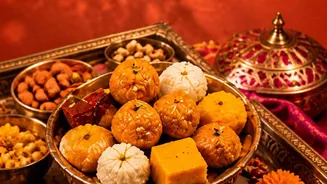
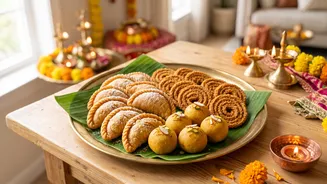
For many, the taste of Diwali is the taste of childhood. It’s the memory of sneaking a hot gulab jamun from the kitchen, or the joy of a perfectly flaky gujiya made by a grandmother’s practiced hand. These aren't just sweets; they are edible archives
of family history and happy memories. Each bite of a besan laddoo or a crunchy murukku can transport a person back to a simpler time, evoking the laughter and togetherness of past celebrations. This powerful connection between food and memory is a primary reason why, despite the availability of modern fusion desserts, families continue to cherish the classics. They offer a comforting, delicious link to one's roots and personal history.
The Ritual of Creation
The significance of Diwali food extends far beyond the final product. The very act of preparation is a cherished ritual that binds families together. Weeks before the festival, kitchens in many homes transform into bustling hubs of activity where recipes passed down through generations are brought to life. Elders guide younger members in the delicate arts of shaping laddoos or frying chaklis, sharing stories and reinforcing family bonds in the process. This collaborative effort is more than just cooking; it's a transmission of cultural heritage. In an era of convenience, the decision to invest time and effort into making these treats at home is a conscious choice to keep tradition alive, making the celebration more personal and meaningful.
Strengthening Community Bonds
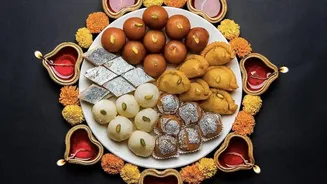
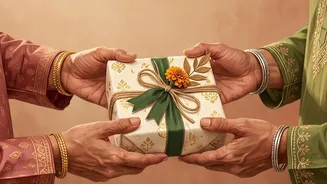
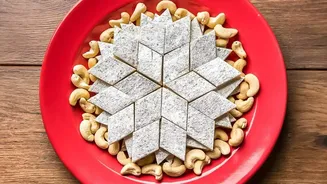
Diwali is a festival of community, and food is its most vital social lubricant. The tradition of exchanging boxes of mithai and savoury snacks with neighbours, friends, and colleagues is a cornerstone of the celebration. This act of sharing is a gesture of goodwill, affection, and respect, symbolizing the desire to bring sweetness into each other's lives. When these exchanged sweets are familiar favourites like kaju katli or jalebi, they create a shared culinary language that unites the community in celebration. The familiar tastes reinforce a sense of collective identity and shared joy, turning individual household celebrations into a wider neighbourhood festival.
The Modern Compromise
While the heart may yearn for homemade delicacies, the realities of modern life often demand a practical compromise. The hectic pace of professional life means not everyone has the time for elaborate culinary preparations. However, this doesn't mean tradition is abandoned. Instead, families turn to trusted local sweet shops or brands that specialize in authentic recipes. Concerns about adulteration in mass-produced sweets also push consumers toward either making treats at home or seeking out reliable vendors known for quality. Even when store-bought, the preference overwhelmingly leans towards the classics. A box of soan papdi or barfi still represents tradition, offering a convenient way to partake in the festive spirit without sacrificing the familiar flavours that define Diwali. Furthermore, a growing trend sees a focus on healthier, less sugary, or bite-sized versions of traditional mithai, showing an evolution in habits rather than a replacement of them.