


What Are Festival Special Trains?
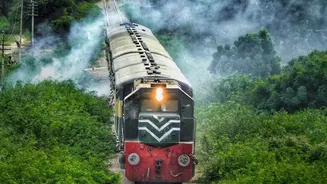
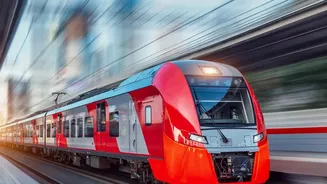
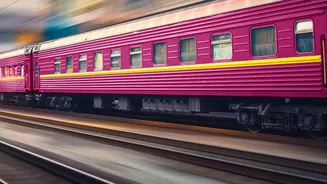
Festival special trains are temporary, additional services launched by Indian Railways to manage the surge in passenger traffic during major festivals and holidays. Think of them as reinforcements called in to handle the extra rush when regular, scheduled
trains are booked solid for weeks or even months in advance. These trains are deployed on high-demand routes, connecting major cities with towns in states like Uttar Pradesh, Bihar, West Bengal, and Kerala, which see a huge influx of people returning home for celebrations. The goal is simple: to provide more travel options and reduce dangerous overcrowding on platforms and in regular services.
Regular vs. Special: Key Differences
While they serve the same purpose of transportation, special trains differ from regular services in a few crucial ways. Firstly, their schedules are temporary and announced only for a specific festive period, unlike the year-round timetables of regular trains. Secondly, they often have a unique numbering system, typically starting with '0' or '8'. This helps distinguish them from permanent train services. The fare structure can also be different. Many special trains, particularly 'Suvidha' or 'Special Fare' trains, use a dynamic pricing model where fares increase as more tickets are sold. This means they can be more expensive than regular trains, but often still cheaper than flights. Lastly, they may have fewer stops and sometimes get lower priority on the tracks, which can occasionally lead to delays.
How to Book Your Ticket
Booking a ticket on a special train is done through the same channels as regular trains: the IRCTC website and the IRCTC Rail Connect app. There is no separate process. However, the key to success is staying informed and acting fast. Indian Railways usually announces these trains a few weeks to a month before the festival period. These announcements are made through press releases and on their social media channels. Because the booking window is short and demand is incredibly high, tickets are often sold out within minutes of becoming available. It's crucial to have your IRCTC account ready, with a pre-saved list of passengers, and to use fast payment methods like UPI or the IRCTC eWallet to complete the transaction quickly.
Pros and Cons for Travellers
The most significant advantage of special trains is the increased availability of tickets. They offer a lifeline to those who couldn't book a seat on a regular train, providing a chance to get a confirmed berth instead of a long waitlisted ticket. By distributing the passenger load, they also contribute to safer and more comfortable travel, reducing the severe overcrowding that is common during festival times. On the downside, the journey can come with some trade-offs. The dynamic fares can make tickets significantly more expensive, sometimes approaching three times the base fare for popular routes. Furthermore, as these trains often use spare coaches, the amenities might not be on par with premium regular trains, and punctuality can sometimes be a concern.
Planning for Major Festivals
Whether it's for Onam in Kerala, Durga Puja in West Bengal, or Diwali and Chhath Puja across North India, the strategy remains the same. For instance, for the 2026 Onam festival, special services were announced to run between August 14 and September 6 to cover the travel rush to and from Kerala. Similarly, for Raksha Bandhan, special services are often announced connecting key cities to handle the surge. You must keep a close watch on official announcements from Indian Railways and its various zones (Central Railway, Northern Railway, etc.) about one month before your planned travel dates. This proactive approach is your best bet to secure a seat and ensure you can celebrate the festivals with your loved ones.