




The Monsoon Mountain Dilemma
For many in India, the monsoon season sparks a conflicting desire. We crave the cool, crisp air of the mountains, but we are also acutely aware of the dangers. News reports of flash floods, landslides, and cloudbursts in popular Himalayan states serve
as a grim, annual reminder of nature’s power. Intense and sustained rainfall during the monsoon can turn serene valleys into treacherous zones, leading to loss of life and property. This leaves many travellers wondering if it's possible to enjoy the Himalayas safely between July and September.
Spiti’s Geographic Shield
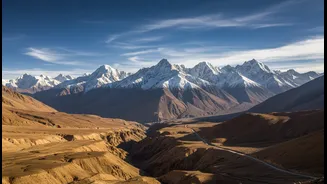
This is where Spiti Valley offers a remarkable alternative. Located in Himachal Pradesh, Spiti is a cold desert mountain valley. Its secret lies in its geographical position: it sits in the rain shadow of the Great Himalayan ranges. These towering peaks, including the Pir Panjal range, act as a massive barrier, blocking the moisture-laden monsoon clouds that sweep across the rest of the country. As a result, while other regions receive heavy downpours, Spiti gets very little rainfall, often less than 50 mm annually. This unique phenomenon makes it a relatively dry and safe haven during the peak monsoon months.
A Desert of a Different Kind
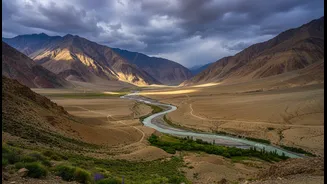
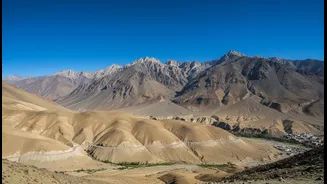
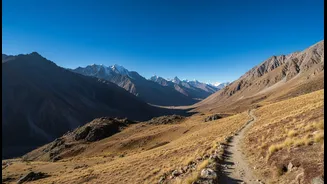
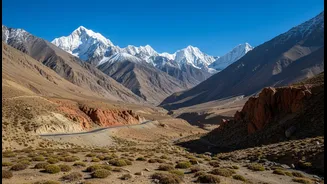
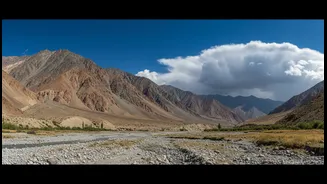
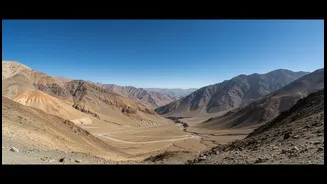
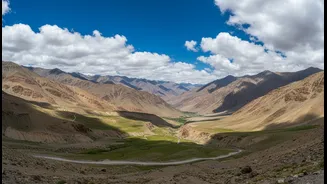
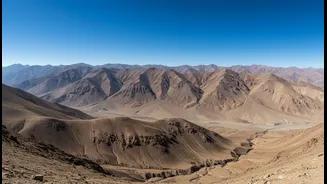
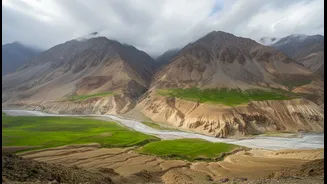
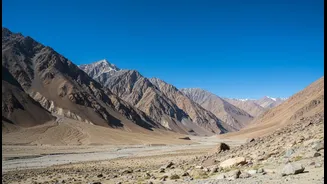
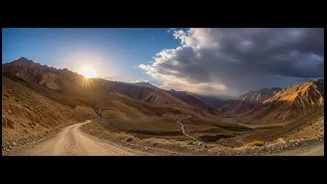
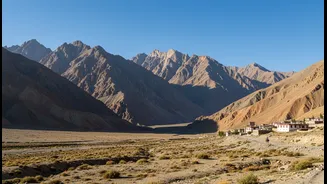
Being a cold desert doesn't mean sand dunes and scorching heat. In Spiti, 'desert' refers to the lack of precipitation. The landscape is stark, barren, and breathtakingly beautiful, with vast, brown mountains, a turquoise river, and an almost perpetually clear, cobalt-blue sky. The air is thin, dry, and crisp. While the valley floor is mostly arid, the minimal rain during monsoon can bring a surprising and temporary hint of green to the landscape, creating a beautiful contrast against the rugged, earthy tones of the mountains.
What to See and Do
Spiti’s starkness is punctuated by vibrant pockets of life and culture. The valley is home to some of the world's oldest and most spectacular Buddhist monasteries, which seem to defy gravity by clinging to cliffs. Key Monastery, the largest in Spiti, offers panoramic views and a deep sense of history. The Tabo Monastery is often called the 'Ajanta of the Himalayas' for its ancient murals. Other must-visit locations include the picturesque villages of Langza, known for its giant Buddha statue and marine fossils; Hikkim, home to the world's highest post office; and Komic, one of the highest motorable villages on the planet. The stunning Chandratal, or Moon Lake, is another major attraction when the access road from Kunzum Pass is open.
Planning Your Spiti Escape
Reaching Spiti is an adventure in itself. There are two main road routes: one from Manali via the Atal Tunnel and Kunzum Pass, and the other from Shimla via Kinnaur. The Shimla-Kaza road is generally considered more reliable, especially during the monsoon, as it remains open for a longer period and allows for better acclimatization to the high altitude. While Spiti itself is dry, the approach roads can still be affected by landslides, so it's wise to build extra days into your itinerary. The best time to leverage Spiti's rain-shadow advantage is from July to September. Pack layers of warm clothing, as temperatures can drop significantly, especially at night.
A Word of Caution
While Spiti is geographically shielded from monsoonal downpours, it is not entirely immune to nature's unpredictability. Climate change has introduced new patterns, and even cold deserts can experience rare, intense local storms or flash floods from rapid glacial melt. Recent incidents in the Lahaul and Spiti district, though not in the core rain-shadow area, serve as a reminder to always travel with caution. It is crucial to check local weather and road conditions, preferably through official channels like the Lahaul & Spiti Police Facebook page, before and during your journey.