







A Nationwide Surge in Festive Travel
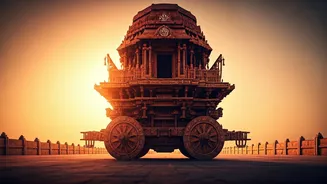
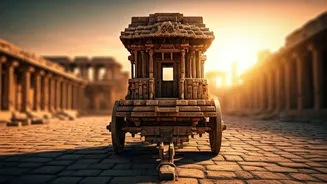
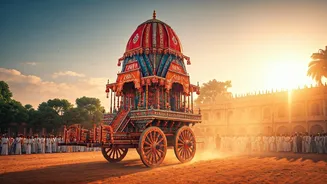
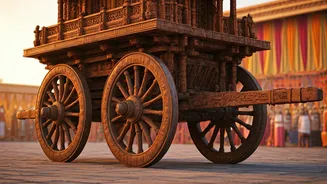
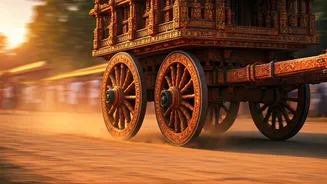
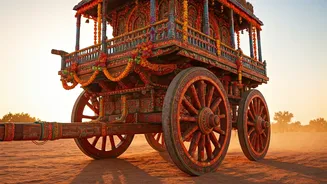
The annual Rath Yatra, or Chariot Festival, is one of India's most visually spectacular and deeply spiritual events. While traditionally centred in Puri, Odisha, where millions congregate, the festival's magnetic pull is now being felt across the country’s
travel sector. Online travel agencies and airline carriers are reporting a significant uptick in bookings to key cities celebrating the Yatra. This isn't just about pilgrimage; it's a full-blown travel trend. Reports from platforms like Ixigo and MakeMyTrip show a notable increase—anywhere from 20% to 35%—in travel searches and bookings for destinations like Puri, Ahmedabad, and Kolkata during the festival period. This surge indicates a broader movement where Indians are increasingly planning their holidays around cultural and religious festivities, blending devotion with discovery.
Beyond Puri: The New Pilgrim Paths
For centuries, Puri has been the undisputed heart of Rath Yatra. However, the modern festive traveller is looking at a wider map. Ahmedabad, for instance, hosts the second-oldest Rath Yatra in the country, a grand procession that draws massive crowds and has become a destination in its own right. Similarly, Kolkata's Rath Yatra, organized by ISKCON, has grown into a major cultural event that attracts not just devotees but also tourists seeking to experience the city's unique festive fervour. Travel data reflects this diversification. While flights and trains to Bhubaneswar (the nearest airport to Puri) see a predictable spike, there's also heightened travel activity towards Ahmedabad and Kolkata. This shows that the Rath Yatra 'buzz' is decentralising, creating multiple hubs for spiritual and cultural tourism across India.
The Rise of Spiritual and Experiential Tourism
What's driving this trend? The answer lies in the evolving mindset of the Indian traveller. Post-pandemic, there's a growing appetite for experiences that are authentic, immersive, and meaningful. The Rath Yatra fits this desire perfectly. It’s more than just a sight to see; it’s an event to participate in. For many, especially younger travellers and families, pulling the sacred ropes of the chariot or simply being part of the electric atmosphere is a powerful, memorable experience. This shift towards 'spiritual tourism' is less about rigid religious observance and more about connecting with heritage, culture, and community. Hotels and tour operators have taken notice, offering curated packages that include temple visits, procession viewing spots, and local cultural experiences, catering to this new-age spiritual tourist.
The Economics of Faith-Fueled Travel
The economic impact of this travel boom is substantial. In Puri alone, hotel occupancy rates soar to nearly 100%, with tariffs increasing significantly. The trend ripples outwards, benefiting airlines, railways, taxi services, restaurants, and local artisans. The increased footfall provides a crucial boost to local economies that are often heavily dependent on tourism. For the travel industry, festive periods like Rath Yatra, Diwali, and Holi are becoming predictable and highly profitable windows. Airlines strategically increase flight frequencies to meet the demand, and a dynamic pricing model means that last-minute travellers often pay a premium. It’s a clear demonstration of how cultural heritage can be a powerful engine for economic growth, creating a symbiotic relationship between faith and commerce.