


The Rise of the 'Basic' Fare
In the hyper-competitive world of air travel, airlines use super-low base fares to get your attention. These “Basic Economy” or “Lite” fares are designed to be the cheapest option you see on booking sites. They were introduced to compete with ultra-low-cost
carriers, stripping away perks to offer just a seat on the plane. The catch is that these fares come with significant restrictions, and what they exclude is often more important than what they include. Key amenities like seat selection, ticket flexibility, and, most critically, a standard carry-on bag are often removed, leaving you to pay extra for things that were once standard.
Decoding India's Carry-On Rules
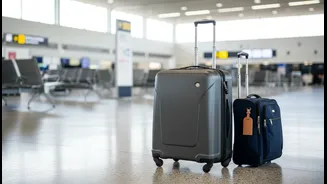
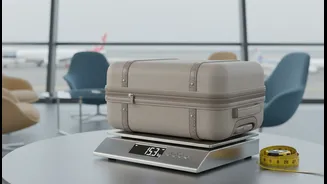
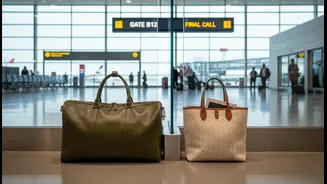
In India, carry-on rules have become stricter. For most domestic economy flights on airlines like IndiGo, Air India, and Akasa Air, passengers are generally allowed one cabin bag weighing up to 7 kg. However, the enforcement of what constitutes "one bag" is now much tighter. Following a directive from the Bureau of Civil Aviation Security (BCAS), many airport security staff now insist that any personal item, like a laptop bag or a handbag, must fit inside your main carry-on bag. This “one-bag rule” means you can’t carry a roller bag and a separate backpack. If your single bag is overweight or oversized, you'll be forced to check it at the gate, often incurring high fees.
The Real Cost of Adding a Bag
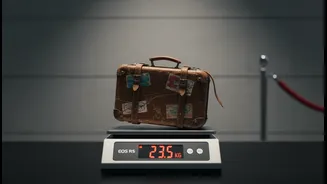
This is where the maths becomes essential. A basic fare might seem cheaper upfront, but once you add the cost of a bag, it can easily surpass the price of a standard fare that includes one. For example, some fare types, like Akasa Air's 'Lite' fare, come with no free checked baggage at all. If you have to pay to check a bag at the airport, the cost per kilogram can be significant, often ranging from ₹550 to ₹800 domestically. Pre-booking extra baggage online is almost always cheaper, but even those fees can negate the initial savings of the basic ticket. It's crucial to calculate the total cost: the basic fare plus any necessary add-ons (like a bag and seat selection) versus the all-inclusive standard fare.
Comparing Airline Baggage Policies
While most Indian domestic airlines have a standard 7 kg cabin bag and 15 kg checked bag allowance for regular economy fares, the policies for their cheapest, unbundled tickets can vary. IndiGo, for instance, is known for its low base fares where add-ons are extra. Air India, as a full-service carrier, often has more generous allowances included in its standard fares. Its domestic economy tickets might offer 15 kg or even 25 kg of checked luggage depending on the fare category. Vistara also positions itself as a premium carrier where even standard economy tickets often include complimentary meals and a more generous baggage allowance compared to low-cost rivals. Always check the specific fare rules before you buy.
When Does a Basic Fare Make Sense?
Despite the drawbacks, a basic fare isn't always a bad choice. It can be the most economical option under specific circumstances. If you are travelling solo for a very short trip, with only a small backpack that can fit under the seat, a basic ticket could save you money. This works best when your travel plans are firm, as these tickets are almost always non-changeable and non-refundable. If you are certain you won't need to check a bag, don't care where you sit, and are confident your plans won't change, then the stripped-down fare might be the right fit for your needs.