






The Golden Rule of UPI Safety
Before diving into specific scams, it's crucial to remember one core principle: you ONLY need to enter your UPI PIN to send money, not to receive it. Scammers’ tactics are almost always designed to make you forget this fact. They create a sense of urgency,
offer unbelievable deals, or impersonate authority figures to trick you into entering your PIN to “approve” a payment you are supposed to be receiving. The moment someone asks you to enter your PIN or scan a QR code to receive money, it is a major red flag.
Decoding the QR Code Scam
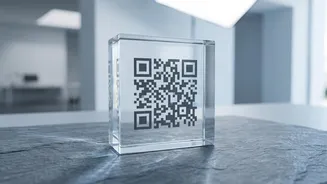
QR code fraud, sometimes called 'quishing,' has become a widespread threat. Scammers exploit the trust users have in scanning QR codes for legitimate payments. The most common tactic involves a fraudster, often posing as a buyer on an online marketplace, sending you a QR code via WhatsApp or email. They will claim that scanning it will allow you to receive their payment. However, scanning the code and entering your PIN actually authorises a payment from your account to theirs. Another version involves scammers physically placing their own fraudulent QR code stickers over genuine ones at shops, petrol pumps, or donation boxes, redirecting payments to their own accounts. Always verify the recipient's name on your UPI app screen before authorising the payment.
Spotting Phishing and Vishing Attacks
Phishing involves deceptive emails, text messages, or links designed to steal your financial information. Scammers send messages that appear to be from your bank or a trusted payment app, urging you to click a link to update your KYC, verify your account, or claim a reward. These links lead to fake websites that look identical to the real ones, designed to capture your UPI PIN, passwords, or other sensitive data. 'Vishing' (voice phishing) is similar but happens over a phone call, where a scammer impersonates a bank or customer service representative to trick you into revealing your PIN or OTP. Remember, no legitimate bank or financial institution will ever call or email you to ask for your confidential PIN or OTP.
The Fake 'Collect Request' Trap
UPI apps have a feature called 'Collect Request' or 'Request Money', which allows users to ask for payment from someone else. Scammers abuse this by sending you a payment request, often with a message claiming you have won a lottery or are receiving a refund. Believing they need to approve the request to get the money, victims authorise the transaction and end up losing funds. Always read the pop-up message on your UPI app carefully. It will clearly state whether you are sending or receiving money. If you don't recognise the sender or the reason for the request, simply decline it and block the user.
Other Emerging Threats to Watch For
Fraudsters are constantly evolving their methods. One growing threat involves remote access apps. A scammer, often posing as customer support, will convince you to download a screen-sharing application to 'fix an issue' with your account. Once installed, they can see everything on your screen, including when you enter your PIN, and take control of your device to authorise transactions. Another tactic is using fake payment confirmation screens. Scammers use apps that mimic the transaction success screen of popular UPI apps to fool merchants into believing a payment has been made when no money was ever transferred. For merchants, the only reliable proof of payment is checking the transaction history in their own official UPI or banking app.
Your Proactive UPI Safety Checklist
Staying safe is about building good habits. First, use a strong, unique PIN for your UPI account that is different from your ATM PIN. Second, only download official UPI apps from the Google Play Store or Apple App Store, and keep them updated. Third, enable transaction notifications via both app and SMS and review them regularly for any suspicious activity. Fourth, avoid making financial transactions on public or unsecured Wi-Fi networks. Finally, consider setting a daily transaction limit on your account to minimise potential losses in case of a security breach. By being vigilant and following these guidelines, you can significantly reduce your risk of falling victim to UPI fraud.