







The Great Urban Burnout
For many young Indians, the modern urban dream comes with a heavy price tag: immense stress. Studies and surveys consistently highlight the immense pressure faced by Gen Z and Millennial professionals. A recent report found that a staggering 64 percent
of employees aged 21 to 30 are grappling with high levels of stress. This isn't just about deadlines; it's a potent mix of career anxiety, the struggle for work-life balance, and a pervasive sense of loneliness in crowded cities. The rise of hybrid work models has blurred the lines between office and home, while the hyper-connected nature of digital life often leads to social isolation. In a 2026 study, 42% of urban college students reported suppressing their emotions, a coping mechanism linked to higher anxiety and distress. This widespread disengagement and burnout are forcing a generation to seek an antidote not in an app or a subscription, but in the open air.
A Green Prescription for a Modern Ailment
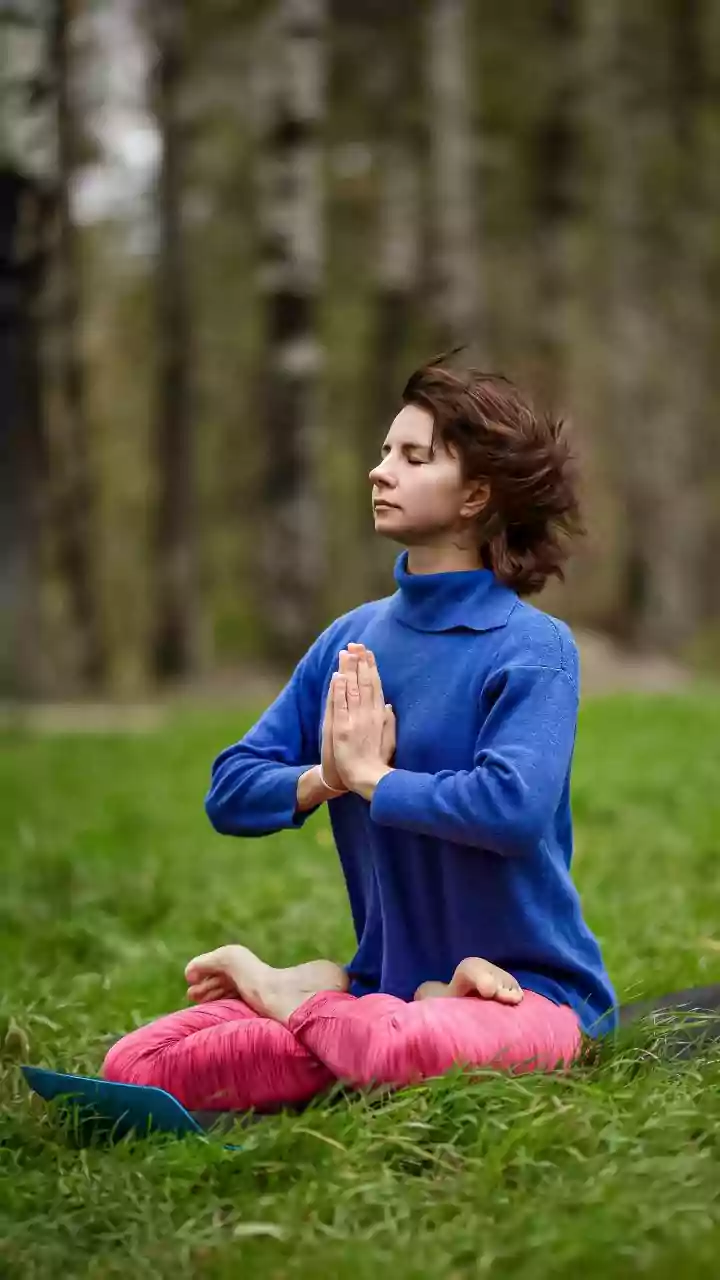
The turn towards public gardens and walking tracks is not accidental; it's a response rooted in both accessibility and science. Unlike expensive gym memberships or exclusive wellness retreats, a walk in a local park is free and requires no special equipment. This simplicity is its superpower. Research increasingly validates what people are intuitively discovering: nature heals. Exposure to green spaces is proven to reduce stress, anxiety, and symptoms of depression. The Attention Restoration Theory suggests that natural environments help us recover from the mental fatigue of urban life, boosting focus and creativity. Spending time outdoors can also trigger the release of mood-lifting hormones like serotonin and dopamine, while the phytoncides emitted by plants can lower stress hormone production and improve immune function. Studies have shown that interventions like mindfulness have a greater positive effect when conducted outdoors.
More Than Just a Walk
For many, these outdoor excursions are about more than just solitary reflection; they are about finding a lost sense of community. Neighbourhood parks are becoming crucial social spaces where people can connect, away from the structured and often isolating environments of work and online interactions. They offer a space for spontaneous conversations, shared activities, and a feeling of belonging that is often missing in fast-paced city life. This trend taps into a powerful counter-movement against what some are calling the 'loneliness economy', where even companionship is becoming a commodity. Instead of paying for connection through apps or exclusive clubs, young people are building organic social bonds with neighbours and friends against the backdrop of a shared green space, strengthening community ties and creating a buffer against loneliness.
Are Our Cities Ready?
This grassroots movement puts a spotlight on the state of urban green infrastructure in India. While the demand is clearly rising, the supply and quality of public spaces vary wildly. The good news is that some city administrations are taking notice. In Bengaluru, the 'Green Bangalore' initiative aims to create micro-forests in underutilized public areas. In Mumbai, efforts are underway to restore gardens that were lost to large-scale infrastructure projects like the Coastal Road. Delhi has also seen the restoration of historical green spaces like the Sunder Nursery, which has been transformed into a major green lung for the capital. However, the challenge is immense. Many urban areas still lack sufficient green cover, and a 2025 study across 25 Indian cities confirmed that regular access to such spaces is strongly linked with better mental health outcomes. This public embrace of parks is a clear signal to urban planners: green spaces are not a luxury, but a fundamental necessity for a healthy, thriving urban population.