







The Social Fitness Arena
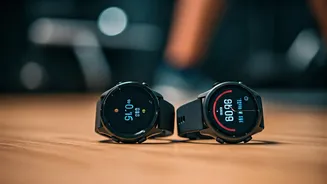
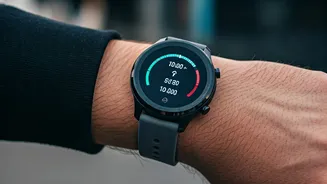
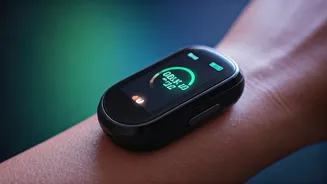
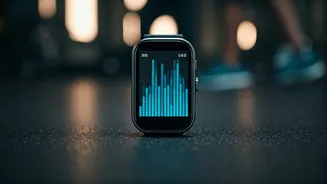
The humble step counter, once a simple feature on a pedometer, has evolved into the centrepiece of a digital colosseum. Thanks to smartwatches and fitness apps, your daily walk is no longer a solitary activity. It’s a public performance, a data point
in a perpetual competition among friends, family, and colleagues. This trend, known as gamified fitness, turns wellness into a game. The rules are simple: hit your goals, climb the leaderboard, and earn bragging rights. Apps like Apple Health, Google Fit, Strava, and device-specific platforms from Fitbit and Garmin have integrated social features that allow users to share progress, start challenges, and directly compete. A quiet evening can be upended by a notification that your cousin just logged a 5k run, pushing you off the top spot for the week. The duel is on.
Why We Love the Game
The appeal is rooted in powerful psychological drivers. First and foremost is social accountability. It’s one thing to skip a workout you promised yourself; it’s another to let your team down in a weekly step challenge. Knowing your friends can see your activity (or lack thereof) provides a potent dose of motivation. Then there's the gamification itself. Winning digital badges, completing streaks, and receiving celebratory animations trigger a release of dopamine, the brain's 'feel-good' chemical. It’s the same reward system that makes video games and social media so addictive. This digital pat on the back for physical effort creates a compelling feedback loop that encourages consistency. For many, it transforms the chore of exercise into a fun, engaging, and social hobby.
More Than Just Steps
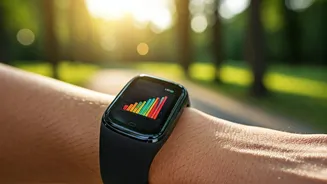
While step counts are the most common battleground, the competition has expanded. Apple Watch users are famously obsessed with ‘closing their rings’—three metrics for moving, exercising, and standing. You can share your rings with friends and even challenge them to a seven-day competition where points are awarded for hitting daily percentages. Fitness community apps like Strava create leaderboards for specific running or cycling routes, turning a local hill into a fiercely contested ‘segment’. Even sleep is becoming competitive, with some apps allowing you to compare sleep scores and consistency. The goal is no longer just to be active, but to be more active, more consistent, and more 'well' than your connected peers. It’s a comprehensive lifestyle leaderboard.
The Unhealthy Side of Competition
But for every person motivated by the game, there's another who feels crushed by it. The constant comparison can be a double-edged sword. When friendly rivalry sours into obsessive tracking, it can lead to anxiety and burnout. Seeing a friend consistently log 20,000 steps a day can feel inspiring, but it can also feel demoralising if you’re struggling to hit 8,000. This pressure can turn intuitive movement into a rigid, numbers-driven task, stripping the joy from activity. In some cases, it can encourage unhealthy behaviours, like exercising through injury or exhaustion just to win a challenge or avoid the shame of falling behind on the leaderboard. The line between motivation and obsession is thin, and these apps make it very easy to cross.
Finding the Right Balance
The key to harnessing the power of gamified fitness without falling prey to its pitfalls is mindfulness. It’s about using the technology as a tool, not letting it become your master. Experts suggest focusing on personal progress rather than just your rank on the leaderboard. Celebrate your own milestones—your first 10,000-step day, a new personal best on a run, or a consistent week of activity. It’s also crucial to set realistic goals based on your own lifestyle and fitness level, not someone else's. Use the social features for support and encouragement, not just competition. Send a congratulatory message when a friend hits a goal. Remember that a ‘loss’ in a digital fitness challenge is meaningless in the grand scheme of your overall health journey.