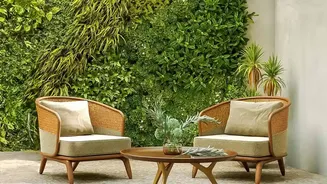




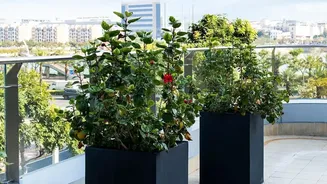

Living in an apartment shouldn't mean giving up on your dream of a garden. Vertical planting systems are a simple, space-saving solution to transform even the most compact balcony into a vibrant and lush green escape.
Understanding Vertical Gardening
Vertical gardening is the practice
of growing plants upward rather than outward. Instead of using traditional pots that take up valuable floor space, these systems utilize walls, railings, and hanging structures. This method allows you to cultivate a surprising number of plants—from herbs and vegetables to beautiful flowers—in a very small footprint. It’s an ideal solution for urban dwellers looking to introduce more greenery into their lives, improve air quality, and enjoy the wellness benefits of being close to nature.
Choosing the Right System for Your Balcony
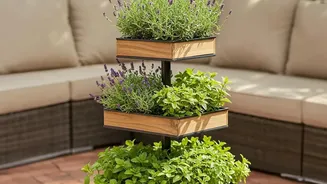
Several types of vertical systems cater to different spaces and skill levels. Wall-mounted pocket planters, made of felt or other fabrics, are great for creating a 'living wall' effect. Tiered or stacked containers allow you to plant multiple items in a single vertical unit, perfect for a sunny corner. Trellis systems are excellent for climbing plants like flowering vines or even some vegetables. For a simple, low-cost start, you can use hanging baskets or even a ladder-style stand to arrange several pots at different heights. The key is to choose a system that fits your space and aesthetic preferences.
Essential Planning Considerations
Before you start building your green oasis, a little planning goes a long way. First, assess the sunlight your balcony receives throughout the day, as this will determine which plants will thrive. Also, consider the total weight. Wet soil, containers, and plants can become very heavy, so it's crucial to understand your balcony's load capacity. As a general rule, opt for lightweight pots and potting mix over heavy garden soil. Finally, think about watering. Ensure your setup is easy to access for regular watering, or consider systems with built-in drip irrigation for lower maintenance.
Selecting the Best Plants
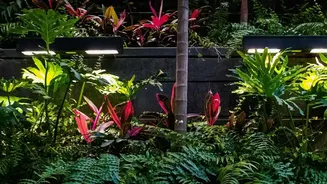
The right plants are key to a successful vertical garden. For Indian climates, many low-maintenance options thrive in containers. Herbs like mint, basil, and ajwain are fantastic choices and provide fresh ingredients for your kitchen. For a splash of colour, consider flowers like petunias, lantana, or marigolds. If your balcony is shaded, ferns and money plants (Pothos) are excellent options that create a lush, leafy look. Succulents are also a great, low-water choice for sunny spots. Many of these plants have shallow root systems, making them perfect for the compact nature of vertical planters.
Bringing Your Vertical Garden to Life
Setting up is often simpler than you might think. Start by assembling your chosen system according to the instructions. Fill your containers with a quality, lightweight potting mix, which drains better and is less dense than garden soil. When planting, gently place your chosen herbs or flowers into the containers, ensuring their roots have enough room. Water them thoroughly after planting to help them settle in. One of the great advantages of vertical gardens is their accessibility; maintenance tasks like pruning and harvesting are much easier when plants are at eye level instead of on the ground.