






The New Monsoon Getaways
For years, Gujarat’s monsoon was an experience largely enjoyed at home or in bustling city streets. Now, a growing number of people are chasing the clouds into the hills. Destinations like Saputara, the state's only recognized hill station, along with
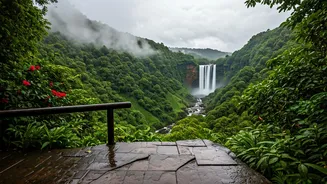
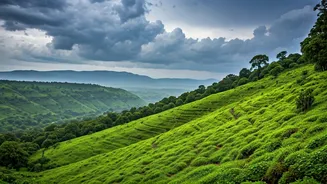
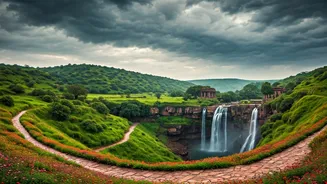
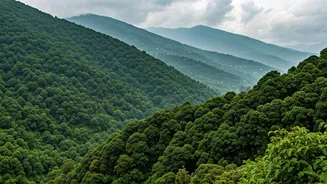
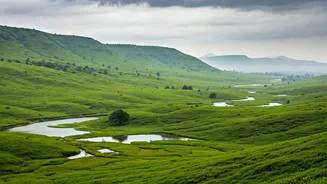
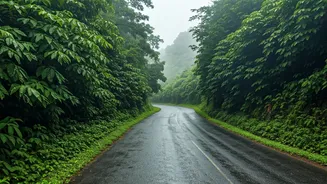
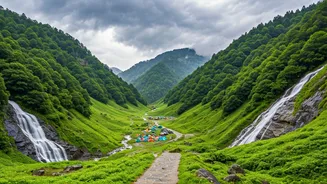
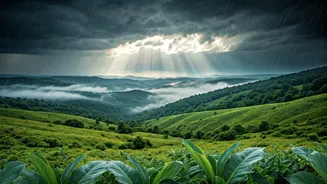
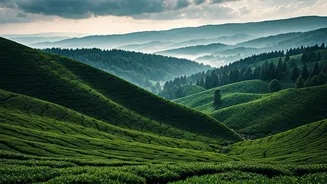
quieter retreats like Wilson Hills and Don Hill Station, are becoming the epicenters of this new trend. Nestled in the Sahyadri range, these areas transform into lush, misty paradises during the rains. The parched summer landscapes give way to vibrant green carpets, and seasonal waterfalls like the Gira and Girmal roar back to life, creating breathtaking spectacles that draw visitors from across the state and beyond. This shift marks a change in how Gujaratis are choosing to celebrate the season, seeking scenic beauty and a cool respite from the city heat.
A Feast for the Senses
At the heart of this evolving culture is food. The monsoon in Gujarat has always been synonymous with specific cravings, and this tradition has traveled up into the hills. Makeshift stalls and local eateries are now doing brisk business selling quintessential rainy-day snacks. Imagine sipping a steaming cup of masala chai while biting into a crispy, hot bhajiya or a golden-fried dalwada, with clouds drifting just outside your window. Vendors selling roasted corn on the cob (bhutta) are a common sight, their smoky aroma mingling with the fresh, earthy scent of rain. Other favorites like lilva kachori, a pastry stuffed with pigeon peas, and the classic samosa have also found their place on the monsoon menus of these hill stations, offering comfort and flavour in the cool, damp weather.
Beyond Bhutta and Chai
The experience extends far beyond just food. The misty hills and verdant forests offer a natural playground for adventure seekers and nature lovers. Trekking on glistening trails, especially to viewpoints like Governor Hill or the ancient Hatgad Fort, has become a popular activity. For the more adventurous, there are opportunities for rock climbing, zip-lining, and even paragliding, offering a unique bird's-eye view of the rain-drenched landscape. Families can enjoy boating on the serene Saputara Lake, while photography enthusiasts find endless inspiration in the dramatic skies and lush scenery. The state's tourism department has also leaned into this trend, organizing annual monsoon festivals in Saputara that feature cultural programs, folk dance performances, and art exhibitions, further cementing the region's status as a premier monsoon destination.
A Boost for Local Life
This influx of visitors is creating a new micro-economy centered around monsoon tourism. Local communities, particularly in the tribal belts of the Dang district, are finding new opportunities. Small businesses, from food stalls to providers of adventure sports, are thriving. The increased footfall supports local artisans who sell traditional crafts and empowers informal guides who lead treks and sightseeing tours. This boom brings both promise and potential problems. While it helps redistribute income from urban centers to rural areas, there is also the risk of overcrowding and strain on the delicate ecology of these hill stations. Striking a balance between promoting tourism and preserving the natural beauty that attracts visitors in the first place remains the key challenge for the future.