





Beyond Chai and Pakoras
When the skies turn grey, the Indian appetite traditionally turns to a familiar script: hot chai, fried samosas, and crunchy pakoras. This culinary ritual is a cherished part of the monsoon experience. However, restaurants and food entrepreneurs are now
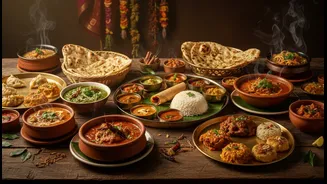
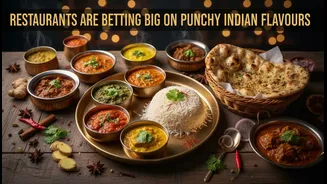
tapping into this seasonal mood with a more ambitious playbook. They are organizing pop-ups and monsoon-themed festivals that go far beyond the usual snacks, using the rainy season as a backdrop to showcase the depth of India's regional culinary heritage. Events like “Monsoon Express – A Street Food Journey” in Bengaluru and pop-ups celebrating Lucknow's monsoon delicacies in Hyderabad are prime examples. These aren't just meals; they are curated experiences designed to evoke nostalgia while offering something new.
The Formula for Youth Appeal
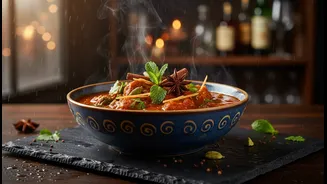
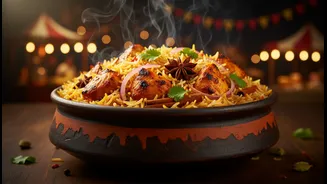
So, what makes these events particularly attractive to a younger demographic? The secret lies in a blend of authenticity and modern presentation. Younger diners in India are increasingly curious about their own cultural roots and are seeking authentic experiences over generic ones. These food festivals deliver exactly that, but in a format that feels fresh and accessible. Instead of a formal, multi-course meal, the vibe is often casual and experience-driven, centered around concepts like street food, small plates, and inventive tasting menus. The presentation is also key. Unique, visually appealing dishes are perfect for sharing on social media, turning a simple meal into a cultural statement. By creating Instagram-worthy moments around dishes like Jhol Momos in a sesame broth or a reinvented Kadhi Kachori, these events make traditional food feel contemporary and exciting.
Putting Regional Stars in the Spotlight
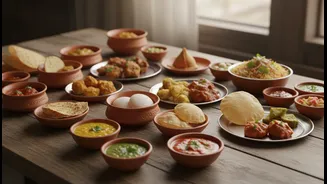
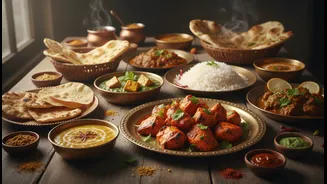
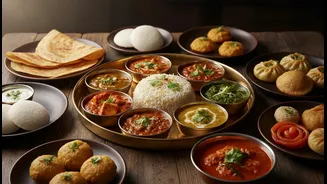
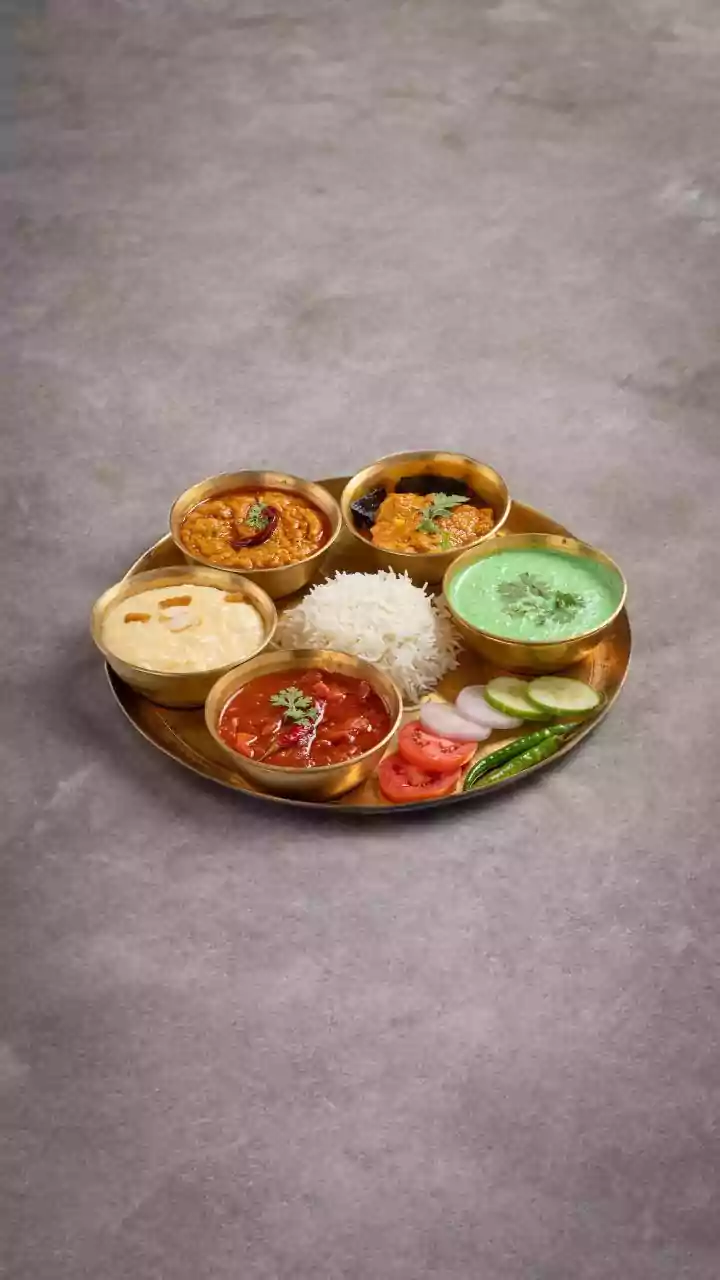
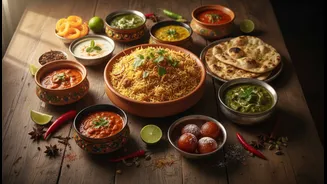
For years, mainstream restaurant menus in Indian metros were dominated by a handful of popular North Indian dishes or international trends. Rainy-day food events are helping to change that by providing a platform for lesser-known regional gems. A monsoon menu might feature a spicy Chettinad dish, a comforting Bengali Khichuri, or hearty specialties from the Northeast like dishes made with fermented bamboo shoot. For example, a recent festival in Delhi celebrated the tribal and highland cuisines of the 'Seven Sisters' states. Pop-ups are bringing the flavours of the Himalayas to Bengaluru and specific Awadhi monsoon dishes to Hyderabad. This focus helps diners explore the country's vast culinary diversity, moving beyond clichés and discovering the nuanced flavours of regions like Kerala, Nagaland, and Rajasthan. This revival is not just a trend but a cultural realignment, as chefs and home cooks bring forgotten recipes back into the urban mainstream.
A Win-Win for Culture and Commerce
These monsoon food promotions are more than just a clever marketing gimmick; they represent a savvy business strategy that also serves a cultural purpose. For restaurants, the monsoon can often be a slow season with fewer people dining out. Special themed menus and festivals create a sense of urgency and give customers a new reason to visit or order in, turning a potential lull into a profitable period. For a younger generation that is increasingly seeking comfort and emotional safety in their consumption choices, these events offer a taste of nostalgia and tradition in an accessible format. By making heritage cuisine engaging, these events are helping to ensure that traditional food knowledge is passed down. They are creating a new generation of patrons for dishes that might have otherwise been perceived as old-fashioned, ensuring India's diverse culinary traditions not only survive but thrive in the modern world.