




Beyond the Shopping Trolley
A sustainable diet is about more than just what you buy; it's about how you use it. The pressure to source only local, organic, and plastic-free ingredients can be overwhelming and often becomes a barrier to starting at all. While mindful purchasing is important,
true sustainability begins in your own kitchen. It's a system of habits that minimises waste, saves money, and, most importantly, conserves your time and energy. Shifting your focus from chasing ideal ingredients to developing practical skills makes the entire process more achievable and enjoyable. The most sustainable diet is one you can stick with long-term, and that requires efficiency.
The Power of a Plan
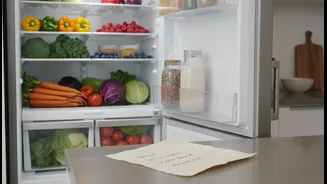
The cornerstone of a time-saving, sustainable kitchen is a good plan. Meal planning is your best defence against the 5 PM scramble that often ends in takeaway. By deciding your meals for the week ahead, you create a strategic shopping list. This simple act prevents impulse buys and ensures every ingredient has a purpose, drastically reducing the chance of finding forgotten vegetables wilting in your fridge. Start by planning just a few dinners a week, leaving room for leftovers or spontaneous meals. Checking your pantry and fridge before you shop and building meals around what you already have is another pro-level move to fight food waste.
Embrace Batch Cooking
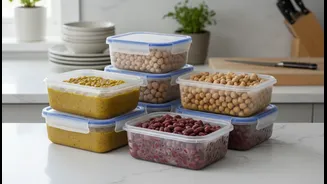
Batch cooking is the art of cooking in large quantities to create a stockpile of ready-to-go meals or components. Setting aside a couple of hours on a Sunday can save you countless hours during the week. You don't have to prepare entire elaborate meals. Start by cooking large batches of foundational ingredients like grains (quinoa, rice), proteins (lentils, beans, grilled chicken), or roasted vegetables. These components can be stored in the fridge or freezer and quickly assembled into different meals like salads, bowls, and wraps throughout the week. This strategy not only saves time but also reduces daily cooking stress and makes healthy choices the easy choices.
A 'Use-It-All' Philosophy
Adopting a 'use-it-all' mentality is a game-changer for reducing food waste. An estimated 30-40% of the food supply is wasted, and much of that happens at home. Simple shifts in habit can make a big difference. Instead of peeling carrots and potatoes, give them a good scrub and cook them with the nutrient-rich skin on. Keep vegetable scraps like onion peels, carrot tops, and celery ends in a bag in the freezer to make a flavourful homemade stock later. Get creative with leftovers instead of letting them languish; yesterday's roasted vegetables can become part of a frittata, and leftover rice is perfect for a quick stir-fry. Creating an 'eat first' box in your fridge for items nearing their expiry date can also help ensure nothing gets forgotten.
Simplify Your Recipes
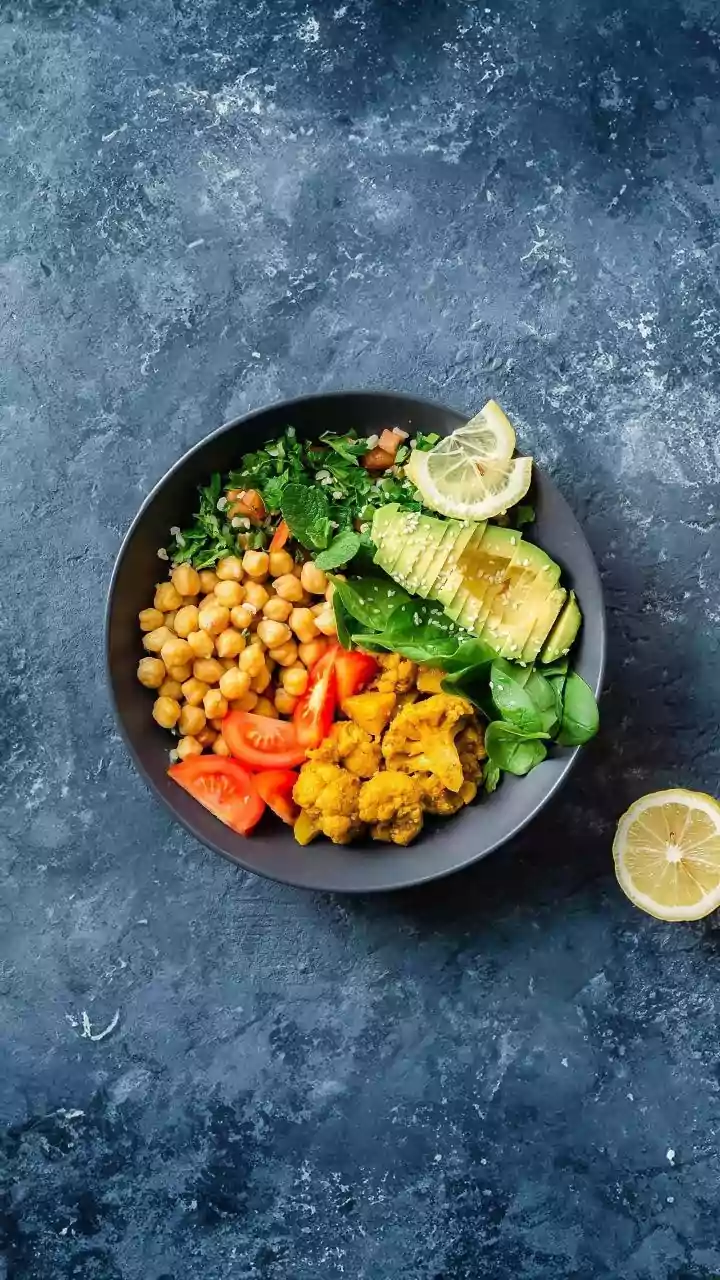
A sustainable diet doesn't require complex, gourmet recipes every night. Often, the simplest meals are the most satisfying and easiest to prepare. Instead of rigid recipes, think in terms of flexible templates. A grain bowl, for example, can follow a simple formula: a base of grains, a serving of protein, a variety of vegetables, and a flavourful sauce. This allows you to use whatever you have on hand, accommodate seasonal produce, and reduce the mental load of cooking. Soups and stews are also incredibly forgiving and a great way to use up produce that's slightly past its prime. By prioritising simplicity, you make daily cooking less of a chore and more of a sustainable practice.