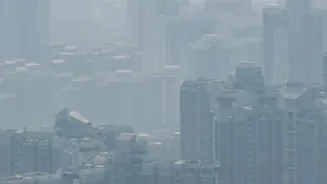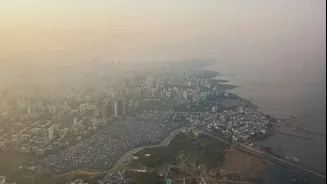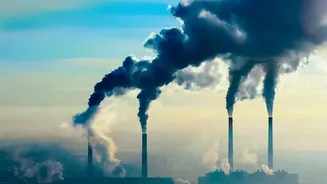




Diwali's festive spirit often draws us outdoors. But as firecracker smoke and weather patterns merge, air quality can plummet. Understanding hourly pollution data, not just daily averages, is key to celebrating safely.
The Invisible Risk of Festive Air
During Diwali, the air we breathe
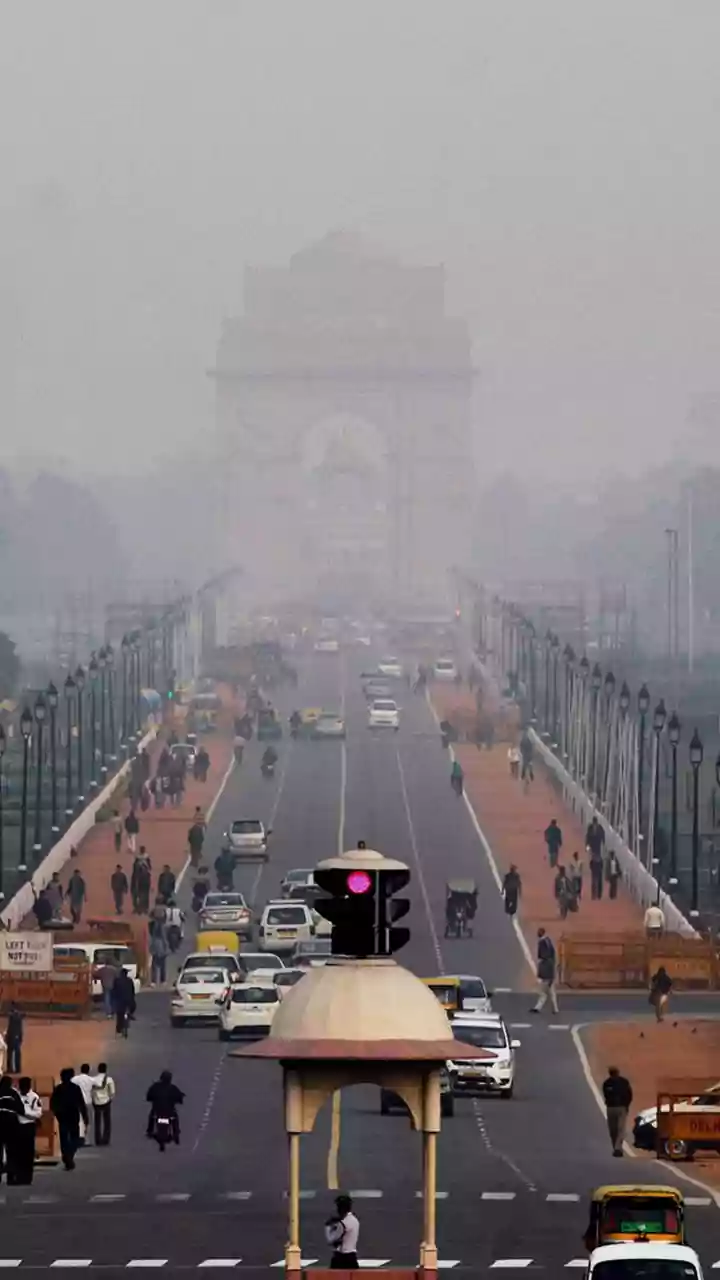
undergoes a dramatic change. The widespread use of firecrackers releases a dense cocktail of harmful pollutants, most notably fine particulate matter known as PM2.5. These microscopic particles are small enough to travel deep into the lungs and even enter the bloodstream, posing significant health risks. Compounding this issue are meteorological factors. Cooler autumn temperatures can lead to temperature inversions, a phenomenon where a layer of warm air traps cooler, denser, polluted air near the ground, preventing it from dispersing. This combination of increased emissions and stagnant weather conditions causes air quality to deteriorate rapidly, often within hours.
Daily Averages Conceal Nightly Dangers
A daily Air Quality Index (AQI) gives you a 24-hour average, which can be misleading during Diwali. Air quality isn't static; it fluctuates dramatically throughout the day. While the afternoon might have 'Moderate' air, the evening and night—when most celebrations and firework activities occur—can see AQI levels surge into the 'Severe' or 'Hazardous' categories. Studies have shown that pollution levels can rise seven to eight times higher on Diwali night compared to previous evenings. Relying only on a daily average might give you a false sense of security, encouraging you to be outdoors precisely when the air is at its most toxic. Hourly data, however, reveals these dangerous peaks, allowing you to see the specific windows of time when the risk is highest.
Making Sense of the Air Quality Index (AQI)
The AQI is a colour-coded scale that helps you understand what the pollution level means for your health. An AQI between 0-50 ('Good') is considered safe, while 51-100 ('Satisfactory') is acceptable. As numbers climb into 'Moderate' (101-200), 'Poor' (201-300), 'Very Poor' (301-400), and 'Severe' (401+), the health risks increase. Even short-term exposure to very poor air can cause breathlessness, chest discomfort, coughing, and fatigue. These effects are especially pronounced in vulnerable groups, including children, the elderly, pregnant women, and individuals with pre-existing heart or lung conditions like asthma. For them, checking the hourly AQI is not just advisable; it's a critical safety measure.
Your Toolkit for Real-Time Air Quality
Several digital tools provide free, hourly air quality data across India. The government's 'Sameer' app by the Central Pollution Control Board (CPCB) gives hourly AQI for over 100 cities. Another government initiative, 'SAFAR' (System of Air Quality and Weather Forecasting and Research), offers detailed data and forecasts for major metro areas like Delhi, Mumbai, Pune, and Ahmedabad. Additionally, many thirdparty apps and websites like Google Maps, IQAir, and AQI.in aggregate data from official monitoring stations and provide userfriendly interfaces to track live pollution levels in your specific neighbourhood. These tools are your eyes on the invisible, helping you see the air quality right outside your door.
Plan Your Celebrations for Cleaner Air
Armed with hourly data, you can make smarter decisions. If you're planning an outdoor gettogether, check the forecast. Air quality is often better during sunny afternoons and deteriorates sharply after sunset, typically remaining poor until the next morning. Try to schedule outdoor activities, especially for children, during these cleaner daytime hours. If you must be out in the evening, limit your exposure time and consider wearing a wellfitted N95 mask, which is effective at filtering out PM2.5 particles. At home, keep windows and doors closed during peak pollution hours and consider using an air purifier with a HEPA filter to maintain safer indoor air.