

Why Go Vertical?
In cities where floor space is a premium, vertical gardening is a game-changer. This approach involves growing plants upwards rather than outwards, using walls, railings, and fences that are often left bare. The benefits extend beyond just saving space.
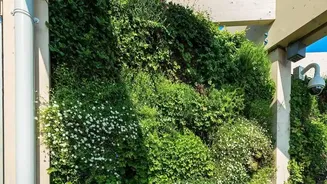
A dense collection of plants can significantly improve indoor air quality by filtering pollutants and releasing oxygen. They also act as natural sound barriers, reducing urban noise, and can even help regulate temperature by providing insulation. Beyond the practical, a living wall or a cascade of plants on a railing adds immense aesthetic value, transforming a sterile space into a calming, beautiful environment that enhances mental well-being.
Your Balcony Railing, Reimagined
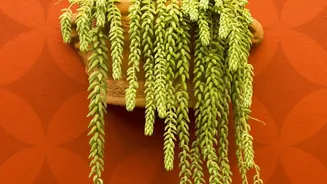
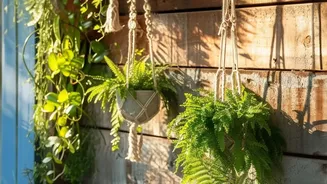
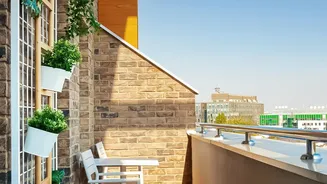
Your balcony railing is more than just a safety feature; it's prime real estate for a garden. Railing planters that clip or hang directly onto the grille are the easiest way to start. They are perfect for creating a line of colourful flowers or a handy herb garden right outside your window. For a more dramatic effect, use hanging pots at staggered heights to create a curtain of greenery. Trailing plants are the secret weapon here, as they soften the hard lines of railings and walls, adding a lush, abundant feel without taking up any floor space. When setting up, always ensure planters are securely fastened, especially on higher floors, and use lightweight pots to avoid overloading the structure.
Bringing Your Walls to Life
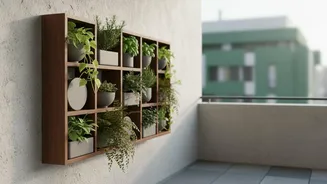
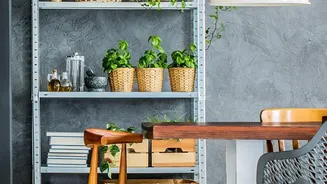
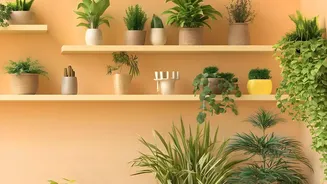
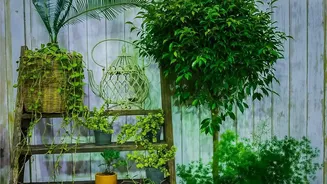
An empty wall, whether indoors or on a patio, holds immense potential. Modular green wall panels can create a seamless, professional-looking living wall, while simpler options like wall-mounted pot racks or shelves are equally effective. You can even get creative with DIY solutions like repurposing an old ladder or wooden pallet to hold pots. For a low-cost, eco-friendly option, recycled plastic bottles can be transformed into a hanging garden for herbs and small greens. Another popular method is installing a metal or wooden grid and using it to hang small planters, which is a low-maintenance way to fill a wall with life.
Choosing the Right Plants for Indian Homes
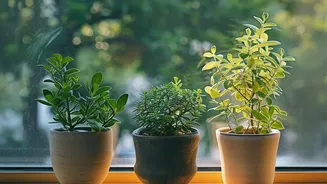
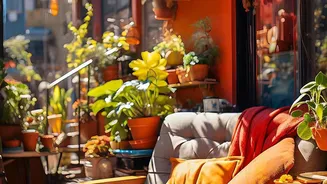
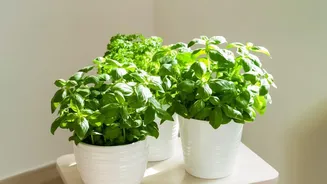
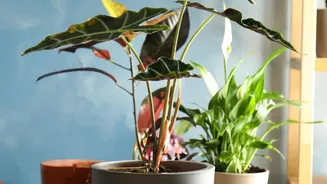
The success of your vertical garden depends heavily on choosing the right plants for your specific conditions. For sunny balconies, heat-tolerant flowers like bougainvillea, marigold, and vinca are excellent choices. If you're creating an edible garden, herbs like tulsi, mint, and coriander thrive in railing planters. For trailing effects, you can't go wrong with the hardy money plant (pothos), which looks stunning cascading down from a wall or hanging basket. Spider plants and ferns are great for shadier spots. Remember to group plants with similar light and water needs together. Vertical gardens can dry out faster than traditional pots, so consistent watering is key.
Getting Started: Simple Tips for Success
Starting your vertical garden doesn't have to be complicated or expensive. Begin small with a few railing planters or a single wall-mounted pot. Always opt for lightweight containers and a quality, well-draining potting mix. Before buying plants, observe the sunlight your chosen spot receives throughout the day to make the best selection. When watering stacked planters, start from the top and let the runoff nourish the plants below. Pruning regularly will encourage fuller growth and keep your vertical garden looking tidy. With a little planning, you can easily turn any empty vertical surface into a productive and beautiful green space.