

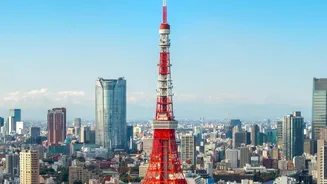
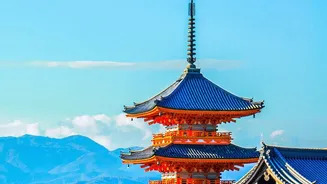
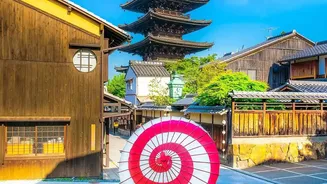
The Challenge: A Concentration of Crowds
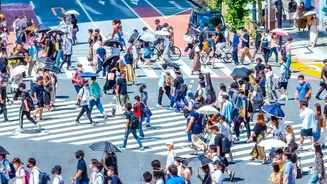
Japan's tourism issue isn't that the whole country is full; it's that visitors overwhelmingly flock to the same 'Golden Route': Tokyo, Kyoto, and Osaka. Within these cities, a handful of world-famous sites bear the brunt of the traffic. In Kyoto, places
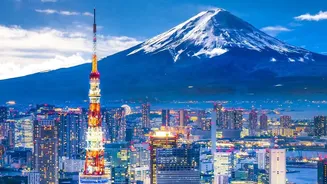
like the Fushimi Inari Shrine, Arashiyama Bamboo Grove, and Kiyomizu-dera Temple can become almost impassable between 10 a.m. and 4 p.m. during peak seasons. Similarly, Tokyo's Shibuya Crossing and Tsukiji Outer Market, and Osaka's Dotonbori district, are magnets for huge crowds. This intense concentration can lead to long queues, difficulty moving around, and a less serene experience than you might have imagined. The strain affects not just tourists but also local residents and infrastructure.
Strategy 1: Timing Is Everything
The single most effective way to beat the crowds costs nothing: change your schedule. Most tourist sites are quietest just after they open and before they close. Arriving at Kyoto's Fushimi Inari or Arashiyama Bamboo Grove by 7 a.m. offers a completely different, more peaceful experience compared to mid-morning, when tour buses arrive. Many temples and shrines open at sunrise, making an early start with jet lag a secret weapon. Peak dining times can also be avoided by eating an early or late lunch or dinner. Beyond daily timing, consider your travel dates. The busiest times are cherry blossom season (March-April) and autumn foliage season (October-November). Periods like late autumn, January, February, and June are typically quieter.
Strategy 2: Look Beyond the Famous Postcards
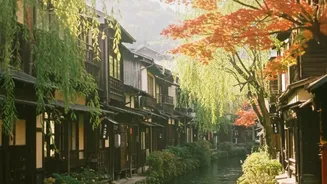
While iconic sites are famous for a reason, Japan is filled with stunning alternatives that offer a similar feel without the crowds. Instead of fighting for a photo at Kyoto's Arashiyama Bamboo Grove, consider the quieter bamboo paths near Adashino Nenbutsuji Temple. If you dream of Kyoto's traditional atmosphere, Kanazawa is often called 'mini-Kyoto' for its beautifully preserved geisha and samurai districts. For a vibrant market experience away from Kyoto's Nishiki or Tokyo's Tsukiji, try Osaka's Kuromon Market or Kanazawa's Omicho Market. The key is to look just beyond the top five results in a guidebook; Kyoto alone has over 1,600 temples, most of which are peaceful and uncrowded.
Strategy 3: Embrace the Road Less Traveled
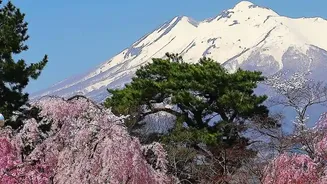
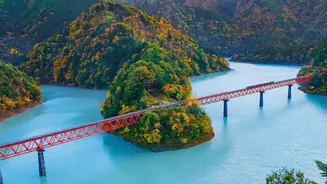
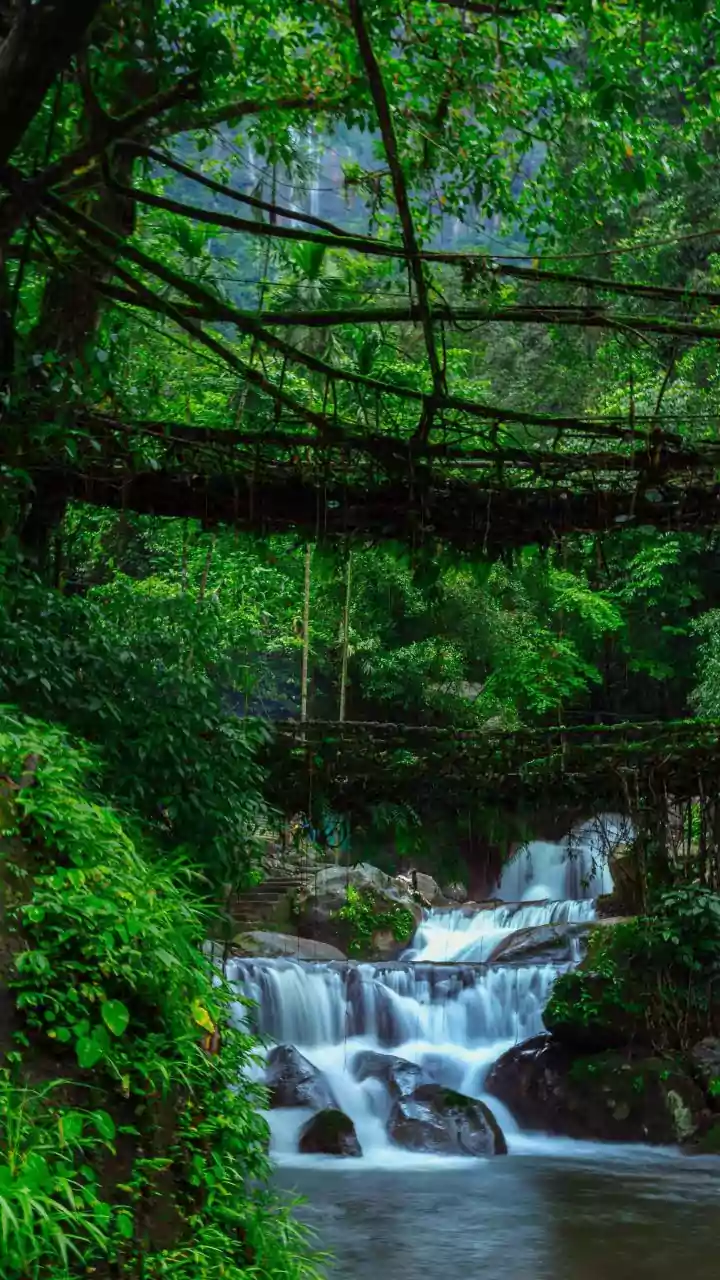
The real secret to avoiding overtourism is to venture off the Golden Route entirely. Entire regions of Japan offer incredible beauty and receive only a fraction of international visitors. The island of Shikoku is known for its rugged mountains, rural landscapes, and the adventurous Iya Valley. The Tohoku region in northern Honshu is celebrated for its natural parks, hot springs, and dramatic scenery. Other fantastic options include the Chugoku region, with historic towns like Kurashiki, or the Izu Peninsula, a scenic area of coastline and hot springs easily accessible from Tokyo. Exploring these areas often provides a more authentic and relaxing experience, connecting you with a side of Japan many visitors miss.
Smarter Travel for a Better Trip
A few practical adjustments can also make a huge difference. To avoid hauling large bags through crowded stations and buses, use Japan's excellent 'takkyubin' luggage delivery services, which can send your suitcase from one hotel to the next overnight. When visiting popular cities like Kyoto, consider staying just a few blocks away from the main tourist hubs or even in a neighbouring town like Otsu on Lake Biwa. This not only offers a respite from the crowds but also supports communities that benefit from tourism. Finally, be mindful of local etiquette—avoid blocking pathways for photos, keep your voice down on public transport, and don't eat while walking in crowded areas.