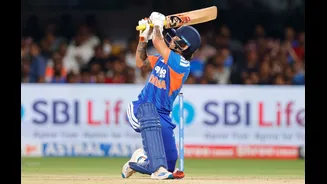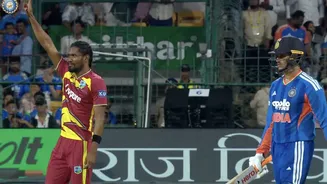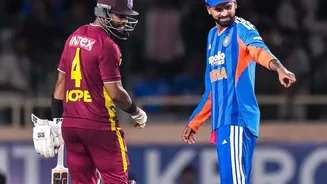


A Prodigy Waiting in the Wings
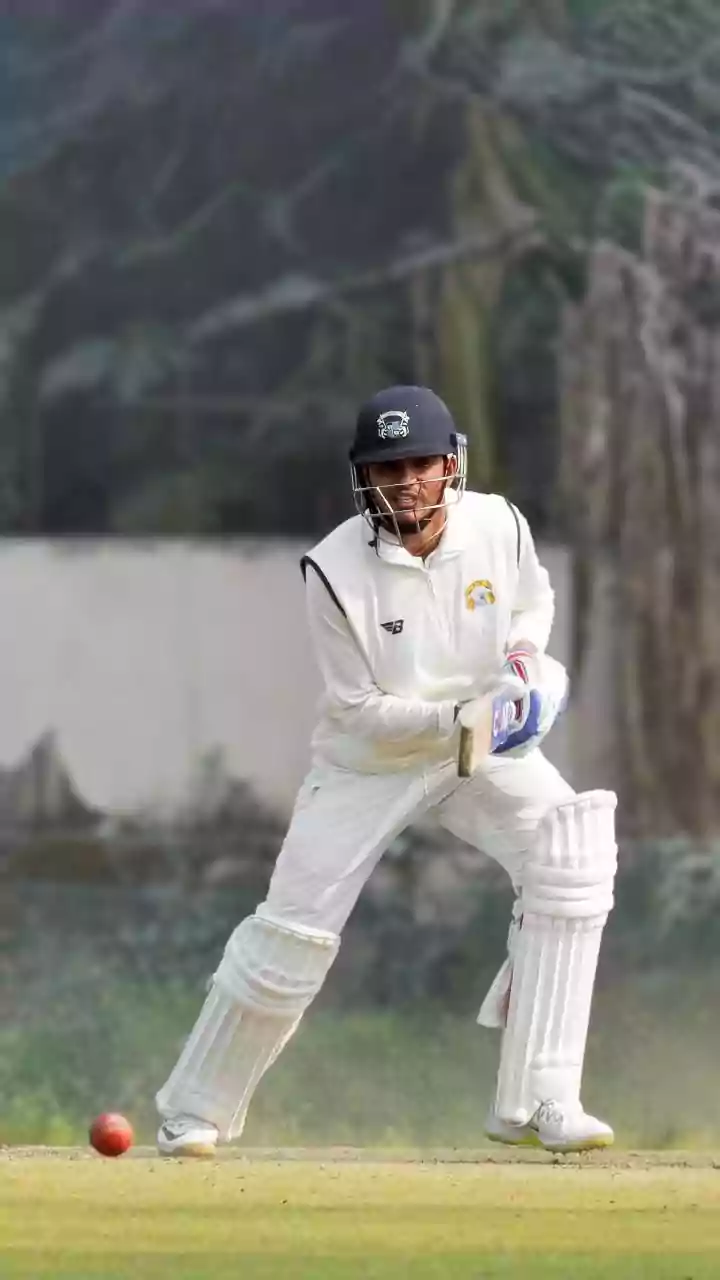
The name on everyone’s lips is Vaibhav Sooryavanshi. The 15-year-old batting sensation from Bihar has been a part of the senior squad for months, turning heads with his explosive talent. This is the player who smashed records in the 2026 IPL, winning
the Orange Cap and Most Valuable Player award after scoring 776 runs at a jaw-dropping strike rate of over 237. His T20I career, though just eight matches old, boasts a strike rate of 186.36. He has already been part of a gold-medal-winning Asian Games team. Yet, Indian fans are still waiting for his debut on home soil, a fact that has become a major point of discussion, especially after a series at home was drawn, not won.
The Team Management's Defence
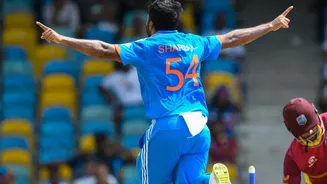
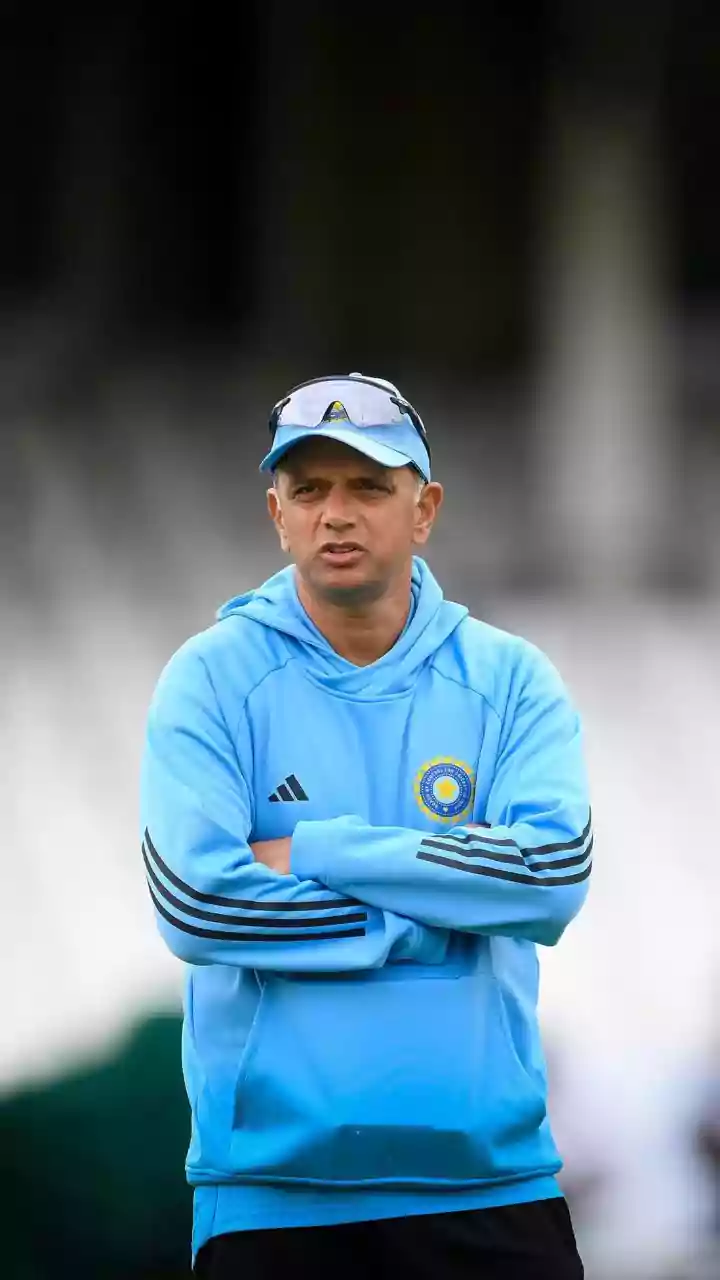
The official line from the team management, led by captain Shreyas Iyer, is one of patience. After the final T20I, Iyer explained that Sooryavanshi's time will come, but the team is currently backing the established opening pair of Abhishek Sharma and Sanju Samson. Iyer mentioned that both openers were consistent, registering two half-centuries each in the series. The captain stated he has personally spoken to Sooryavanshi, advising him to 'stay patient' and 'trust his process', reiterating that with two 'fantastic openers', he has to wait for his opportunity. This suggests a conservative selection strategy, prioritizing continuity and experience over youthful exuberance, even when results are mixed.
A Missed Opportunity?
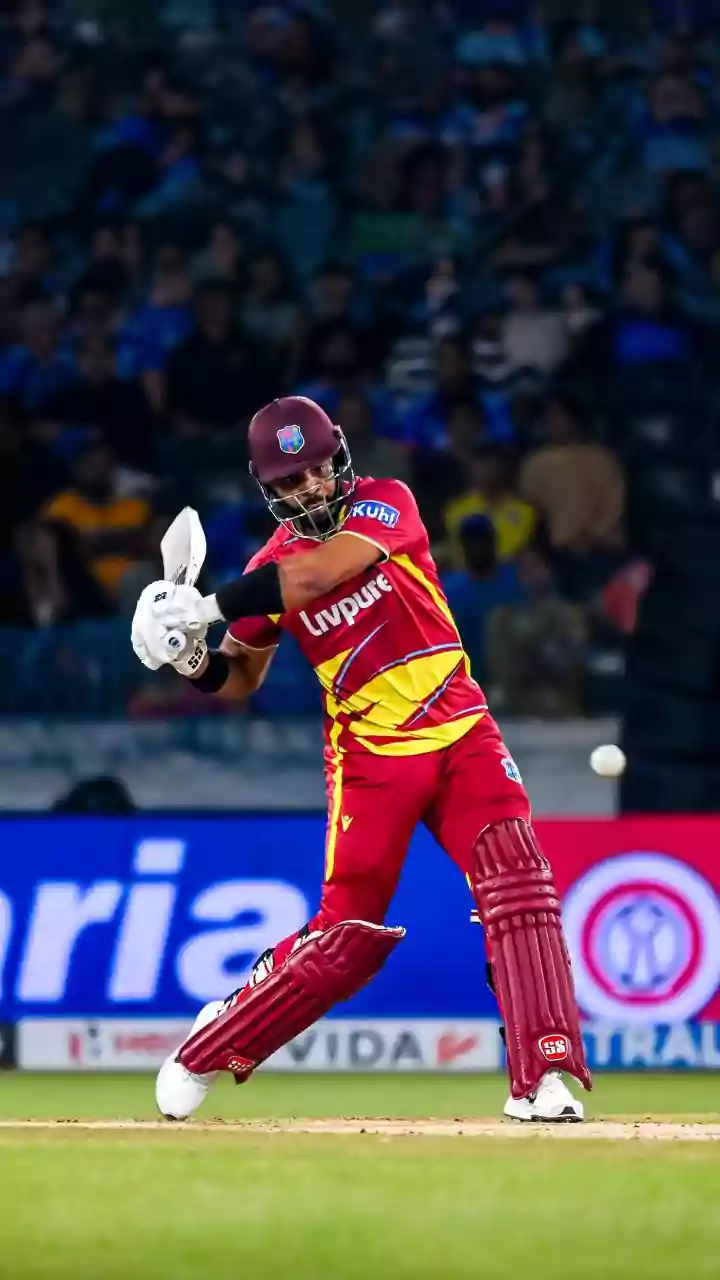
While showing faith in senior players is understandable, the 2-2 result against West Indies raises serious questions about this strategy. Was sticking to a combination that wasn't delivering a series win the right call? Critics, including former chief selector Kris Srikkanth, have been vocal, arguing that the management is spoiling Sooryavanshi's confidence by keeping him on the bench. Srikkanth suggested that a player of his calibre should have been given a chance against a team like West Indies, especially when the established openers were not consistently firing on all cylinders. A drawn series at home feels like a missed opportunity, not just to win, but to test a generational talent who could have been the X-factor India needed.
The Bigger Picture for Indian Cricket
Sooryavanshi’s case highlights a larger, more complex issue for Indian cricket: managing an abundance of talent. For years, the debate has raged about whether India is too cautious in blooding its young stars. The 'process' and 'patience' that Iyer speaks of can sometimes feel like a roadblock for a player who is clearly in peak form. While there's a logic to not wanting to disrupt a player's development, there's an equal risk in holding them back when they are primed to make an impact. The current selection policy under Ajit Agarkar has shown a willingness to make tough calls and plan ahead, but the on-ground execution often seems to revert to a safety-first approach. The fear is that in trying not to break a young player, you end up breaking their momentum.