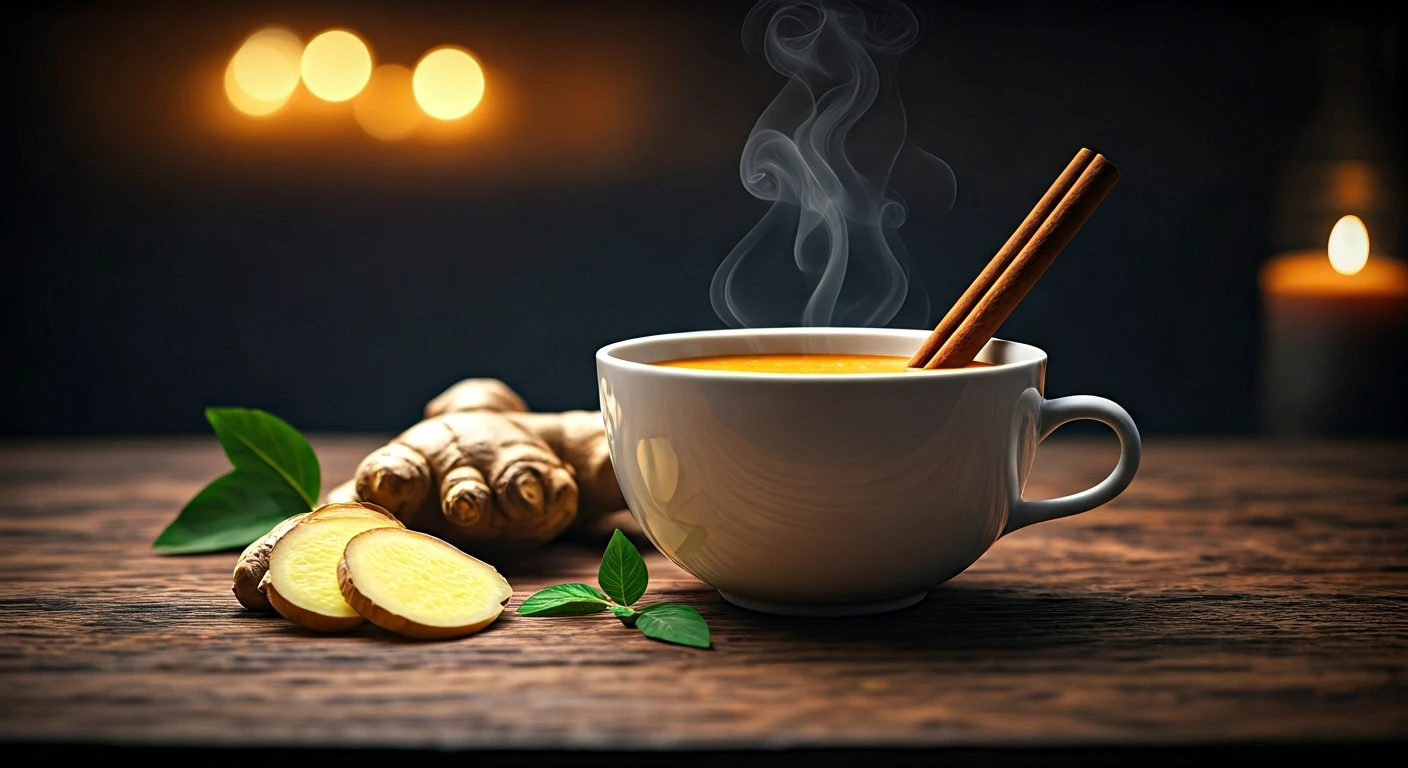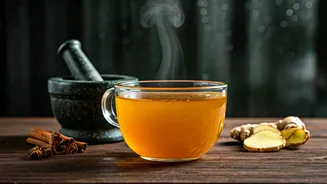








More Than a Drink, It's a Ritual
Kadha, at its heart, is a decoction. The word itself comes from the Sanskrit 'kashayam,' referring to a medicinal brew made by boiling herbs and spices in water to extract their benefits. But for anyone who grew up in an Indian household, it’s far more
than that. It’s the smell of ginger and tulsi wafting from the kitchen. It’s the reassuring presence of a parent or grandparent insisting you drink it while it’s hot. It’s a warm hug in a cup, a liquid dose of care passed down through generations. This potent brew is less a recipe and more a feeling—a comforting, aromatic symbol of home-based wellness.
Why is it Trending Now?
While kadha never truly went away, its recent resurgence is hard to miss. The trend is fuelled by a few key factors. First, the cyclical change of seasons always brings a spike in coughs and colds, pushing people back toward trusted home remedies. Second, there's a growing global wellness movement that champions natural and traditional solutions over processed alternatives. Post-pandemic, many have a heightened awareness of immunity and are actively seeking ways to support their health naturally. Finally, social media plays a huge role. A single viral reel of someone brewing a beautiful, steaming pot of kadha can remind millions of its comforting power, sparking a new wave of interest among a younger generation looking to connect with their roots.
The Powerhouse Ingredients
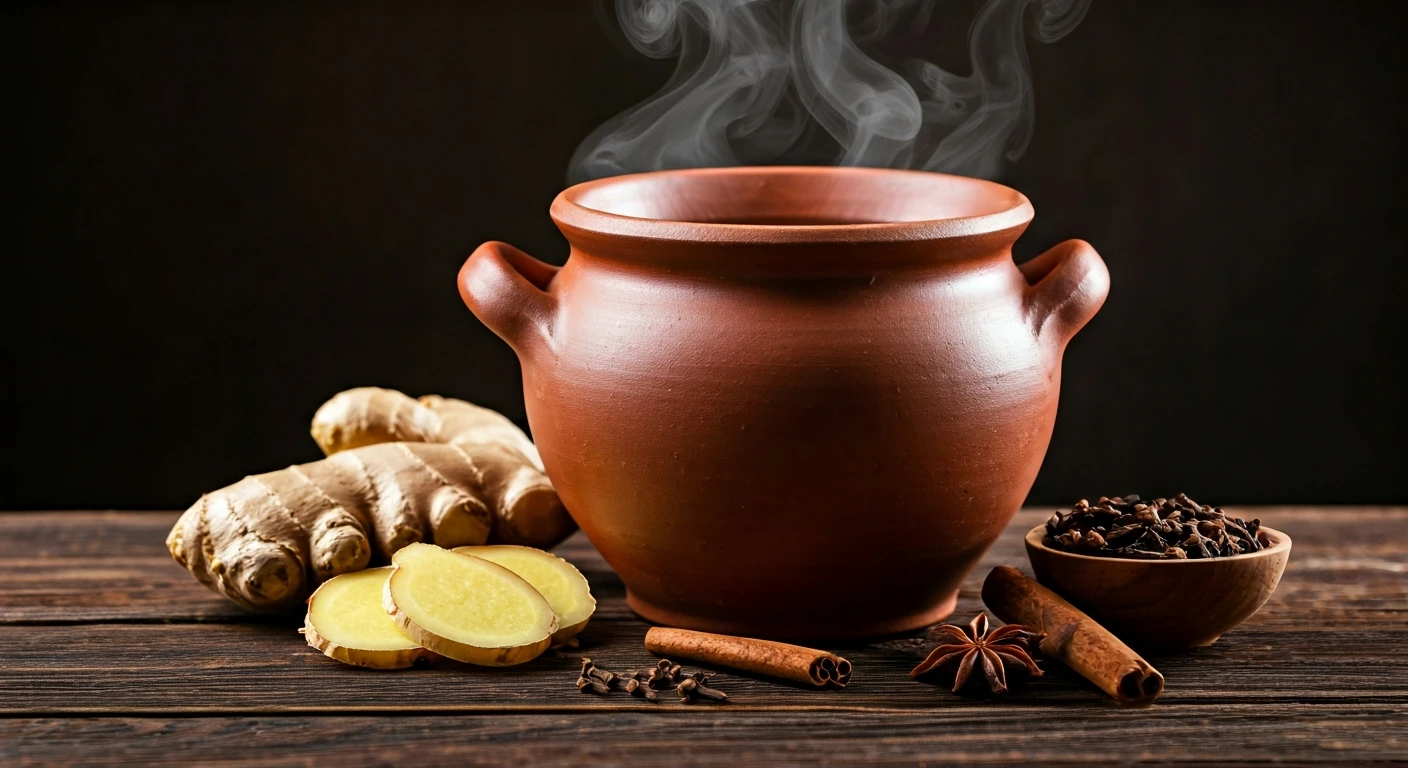
Every family has its own secret kadha recipe, but a few core ingredients are almost always present, each with a specific role to play in this traditional symphony of flavours and benefits. * **Tulsi (Holy Basil):** Often called the 'Queen of Herbs,' tulsi is revered in Ayurveda. It's traditionally used to help relieve coughs and colds, and its aromatic leaves give kadha its signature fragrance. * **Adrak (Ginger):** The sharp, pungent kick of ginger is essential. It's known for its anti-inflammatory properties and is widely used to soothe a sore throat and aid digestion. * **Kali Mirch (Black Pepper):** These little peppercorns do more than add heat. Black pepper contains piperine, which is believed to enhance the absorption of other nutrients, like the curcumin in turmeric. * **Haldi (Turmeric):** The golden spice needs no introduction. Its active compound, curcumin, is a powerful antioxidant and has anti-inflammatory effects, making it a staple in immunity-supporting concoctions. * **Laung (Cloves):** Pungent and warming, cloves are rich in antioxidants and have antiseptic properties, traditionally used to ease throat irritation. * **Shahad (Honey):** Often added at the end (once the kadha has cooled slightly), honey is a natural sweetener that is also known for its ability to coat and soothe a sore throat.
A Simple, Dadi-Approved Kadha Recipe
Ready to brew your own cup of comfort? Here’s a basic recipe you can adapt. Remember, the best kadha is the one that works for you—feel free to adjust the ingredients to your taste. **Ingredients:** - 2 cups of water - 1-inch piece of ginger, grated or crushed - 4-5 tulsi leaves - 2-3 whole cloves - 2-3 whole black peppercorns, crushed - A small pinch of turmeric powder (optional) - 1 teaspoon of honey or jaggery (to taste) **Instructions:** 1. In a small saucepan, add the water, grated ginger, tulsi leaves, cloves, and crushed peppercorns. 2. Bring the mixture to a boil over medium heat. 3. Once it's boiling, reduce the heat to low and let it simmer for 10-15 minutes. The water should reduce to about half. 4. Turn off the heat. If you're using turmeric, you can add it now. 5. Strain the kadha into a cup. 6. Let it cool for a minute or two, then stir in honey or jaggery until it dissolves. 7. Sip slowly while it's still warm.
A Gentle Word of Caution
While kadha is a wonderful and comforting remedy, it's important to enjoy it in moderation. The ingredients are potent and warming. Overconsumption, especially in large quantities, can sometimes lead to issues like acidity, heartburn, or an upset stomach. Think of it as a supportive drink to have once or twice a day when you're feeling under the weather, not as a replacement for water. It is a traditional remedy meant to soothe symptoms, not a cure-all. If you have a persistent fever, cough, or severe symptoms, it is always best to consult a doctor.