




More Than Just a Hill Station
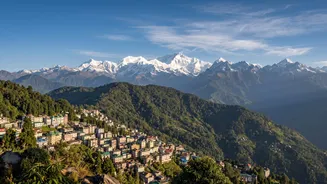
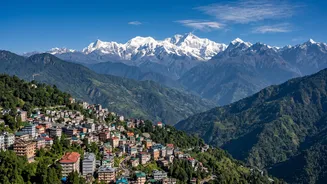
For years, high-altitude workations in India were synonymous with towns in Himachal Pradesh or Uttarakhand. But Gangtok, the capital of Sikkim, is carving out a unique niche. It offers a rare combination of stunning mountain landscapes, a famously clean
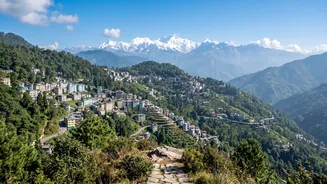
and orderly urban environment, and a distinct cultural identity. Unlike the seasonal rush of many tourist towns, Gangtok provides a stable, peaceful atmosphere that is highly conducive to deep work and long-term stays. The city's well-maintained infrastructure and its perch in the lap of the Himalayas create a compelling proposition: the convenience of a city with the soul of a mountain retreat.
The Connectivity Question Answered
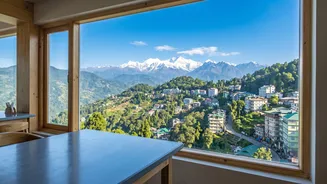
The single biggest hurdle for any aspiring mountain-based digital nomad is reliable internet. This is where Gangtok is making significant strides. While remote Himalayan regions are often plagued by poor connectivity, Gangtok boasts increasingly dependable broadband services. Providers like Jio and Airtel have strong 4G and even 5G coverage in and around the main town areas. Many hotels and a growing number of homestays now offer high-speed Wi-Fi with power backups, understanding the non-negotiable needs of remote professionals. This reliable digital infrastructure is the bedrock of its budding reputation, ensuring that Zoom calls and large file transfers don't come with a dose of high-altitude anxiety.
A Thriving and Conscious Cafe Culture
The second pillar of Gangtok's appeal is its vibrant cafe scene. These are not just places to grab a coffee; they are the unofficial co-working spaces for the city's nomadic workforce. Cafes like The Local Cafe, Baker's Cafe, and Cafe Fiction are known for their welcoming atmosphere, good food, and, crucially, plug points and steady Wi-Fi. Adding another layer to this is the state's identity as India's first fully organic state. This ethos is reflected in cafes like Cafe Royale, which prioritize local, organic ingredients, allowing remote workers to enjoy farm-to-table meals while they work. This focus on sustainable, quality food resonates deeply with the lifestyle goals of many digital nomads.
The Rise of the 'Digital Nomad Village'
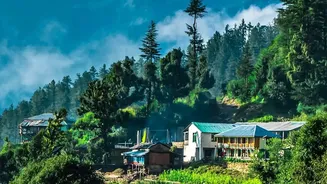
The trend extends beyond the capital city. The 'Nomad Sikkim' initiative, a joint project by local administration and NGOs, is formalizing this ecosystem. In July 2025, Yakten, a village near Gangtok, was officially inaugurated as India's first Digital Nomad Village. This project equips rural homestays with reliable internet and workstations, allowing nomads to immerse themselves in local culture while staying productive. The model focuses on sustainable, long-term stays that benefit the local community economically, moving beyond the traditional, short-term tourism model. This initiative provides a structured way for professionals to experience a quieter, more integrated life in the mountains.
Work-Life Balance Redefined
Ultimately, the appeal of Gangtok is the unparalleled work-life balance. The workday can be punctuated by a walk along the serene MG Marg, a visit to a nearby monastery, or simply gazing at the clouds rolling over the Kanchenjunga range. Weekends offer endless opportunities for trekking, exploring pristine lakes, and experiencing the unique Sikkimese culture. This combination of productivity and profound well-being is the core of Gangtok's magnetism. The cost of living, while higher than some plains cities, remains reasonable for the quality of life it offers, with long-term rentals being a feasible option for those looking to stay for a few months. For many, it's not just about working from a different location, but about adopting a more mindful and balanced way of life.