





The Symphony in the Kitchen
Before the taste, there is the sound and the smell. A heavy-bottomed kadai on the stove. A spoonful of ghee or oil that shimmers with heat. Then, the first act: mustard seeds that sputter and pop, a miniature firework display announcing that something
good is about to happen. They are quickly followed by the fragrant quartet of urad dal, chana dal, fresh ginger, and green chillies. The final flourish before the main ingredient arrives is the unmistakable aroma of curry leaves, their scent blooming in the hot pan and filling the kitchen with an aroma that is quintessentially Indian. This culinary symphony is the perfect counterpoint to the pitter-patter of the rain outside, a promise of warmth to combat the damp chill in the air.
Comfort Without the Complexity
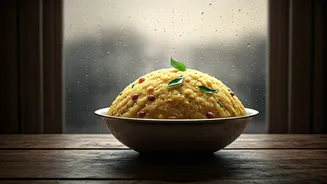
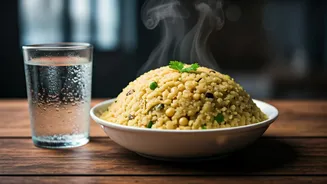
A rainy day often brings a delicious sense of lethargy. It’s a time for slowing down, not for embarking on complex culinary projects. This is where upma truly shines. It is the champion of pantry staples. All you need is semolina (rava), a few common spices, and maybe an onion. There’s no need for a last-minute dash to the market in the downpour. In less than 20 minutes, from start to finish, you can have a steaming, satisfying meal. This simplicity is its superpower. It delivers maximum comfort with minimum effort, making it the ideal companion for a morning when your only ambition is to stay cosy and watch the rain fall. It’s a hug in a bowl, prepared with an ease that honours the lazy spirit of the day.
A Plate Full of Possibilities
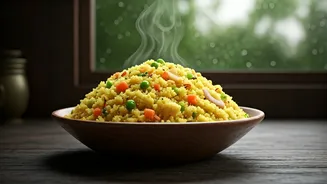
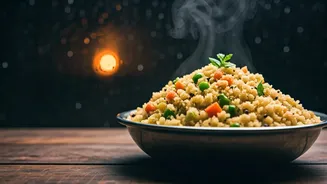
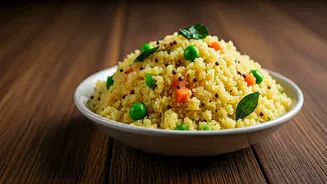
While its base is simple, upma is a wonderfully versatile canvas. Every household has its own signature version, a testament to its adaptability. Some mornings, it arrives studded with colourful jewels of finely chopped carrots, peas, and beans, turning it into a wholesome, one-pot meal. On other days, it’s made richer with roasted cashews that add a delightful crunch. A generous dollop of ghee on top is non-negotiable for many, its nutty richness melting into the warm grains. And the accompaniments are a world of their own. It can be paired with a fiery coconut chutney, a tangy lemon pickle, or even just a sprinkle of sugar for those who prefer a touch of sweetness. This ability to be customised makes each plate of upma a personal expression of taste and tradition.
A Spoonful of Memory
More than any other attribute, what makes upma the ultimate rainy-day food is its deep connection to nostalgia. For countless Indians, the taste of upma is intertwined with memories of childhood. It’s the smell of mother’s cooking on a school holiday, the comforting meal served by a grandmother after a playful drenching in the monsoon showers. Each spoonful is not just a mix of semolina and spices, but a blend of love, care, and cherished moments. Eating upma on a rainy morning as an adult is like travelling back in time. It connects us to a simpler era, to the feeling of being looked after, and to the enduring warmth of a family kitchen. It's soul food in its truest sense, nourishing not just the body, but the heart as well.