

A New Benchmark for Delhi's Lifeline
The Delhi Metro network is accustomed to handling large crowds, but the period just before Diwali always tests its limits. In a significant new milestone, the driverless corridors of the network—the Pink and Magenta Lines—recorded a combined 1.6 million
passenger journeys on a single day earlier this month. This figure, achieved on November 2, highlights the growing commuter trust in the Unattended Train Operation (UTO) system, especially during peak travel seasons. The overall network often carries around eight million passengers daily, meaning these two automated lines catered to roughly one in every five commuters on that day, a substantial load for just two corridors. This record is not just a statistic; it serves as a successful stress test for the system ahead of the main festive days, when millions travel across the National Capital Region for celebrations, shopping, and family visits. The DMRC has previously seen network-wide single-day records broken, such as the 8.24 million boardings in September 2026, but this specific achievement for the driverless network underscores its increasing importance.
The Driverless Advantage
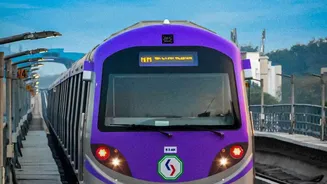
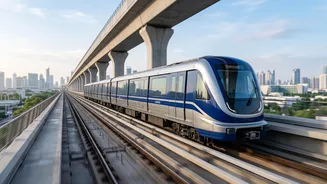
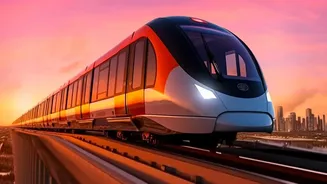
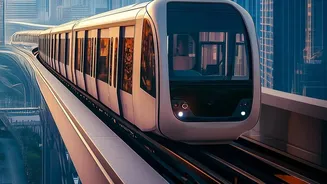
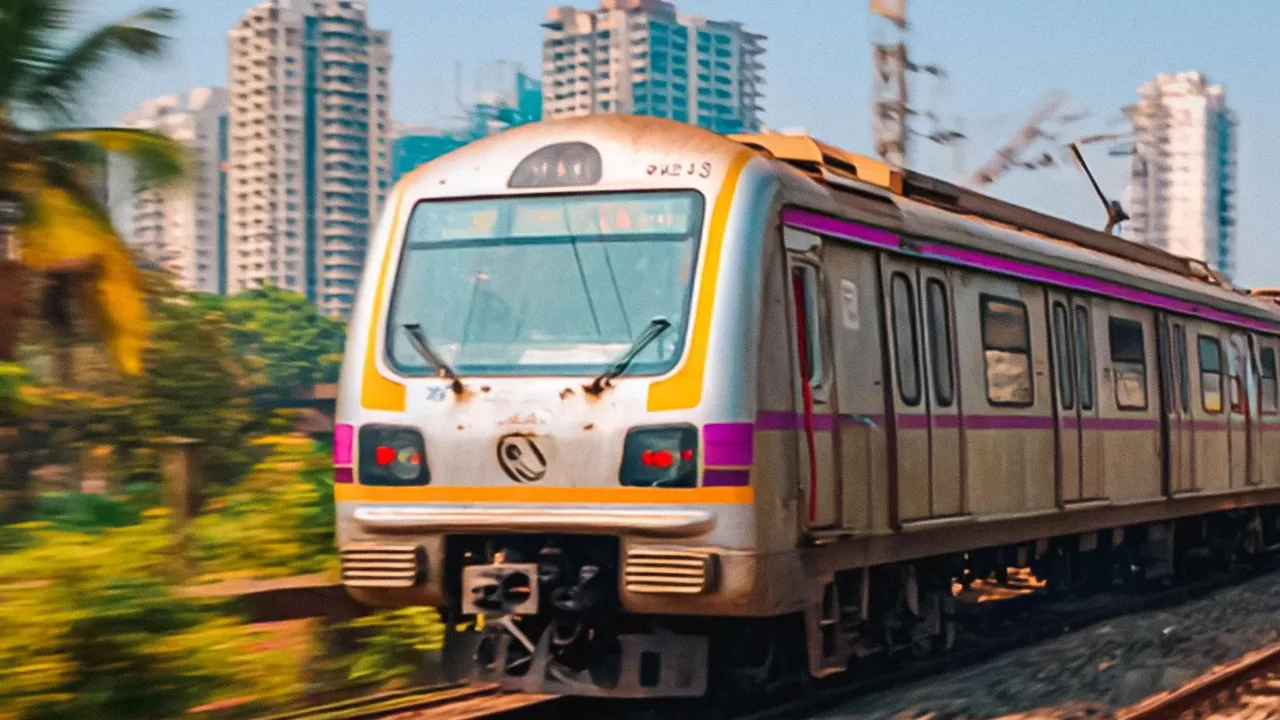
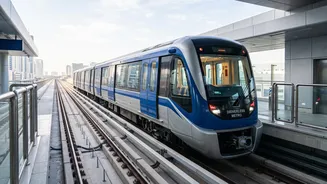
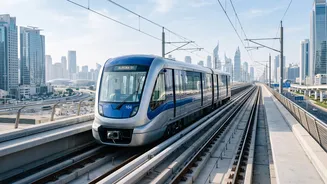
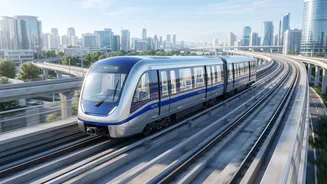
So, what makes the driverless network so crucial to this achievement? The Unattended Train Operation (UTO) technology, first introduced on the Magenta Line in December 2020, allows for unprecedented operational flexibility. It enables the Delhi Metro Rail Corporation (DMRC) to run trains at a much higher frequency, with headways as short as two minutes during peak hours. This capability is a game-changer during a festive rush, as it helps absorb sudden surges in passenger volume, reducing wait times and preventing dangerous overcrowding on platforms. According to DMRC's Managing Director, Vikas Kumar, the automation reduces human intervention and the potential for error, while also improving the availability of coaches for service. Currently, 100 UTO trains operate across 120 km of the Pink and Magenta lines, which accounts for nearly 29% of the entire metro network. This automated stretch has proven to be highly reliable, thanks to exhaustive self-tests the trains perform before starting service each day.
What This Means for Commuters
For the average passenger, this technological milestone translates into very real benefits. A more efficient and frequent service means a more predictable and less stressful journey. While the metro is still bound to be crowded during the Diwali period, the ability of the automated lines to handle more people more quickly provides a vital release valve for the entire city's transport system. It demonstrates that the infrastructure is maturing to meet the demands of a megacity. This reliability is critical when people are travelling with families and luggage, turning a potentially chaotic commute into a more manageable one. The success of the UTO system offers a reassuring sign that the metro is better equipped than ever to be the true lifeline of Delhi-NCR, especially when the roads are choked with traffic. The DMRC has also been strategic in managing its workforce; no train operators have been laid off due to automation, with staff instead being redeployed to important roles like station management and crowd control.
The Future is Automated
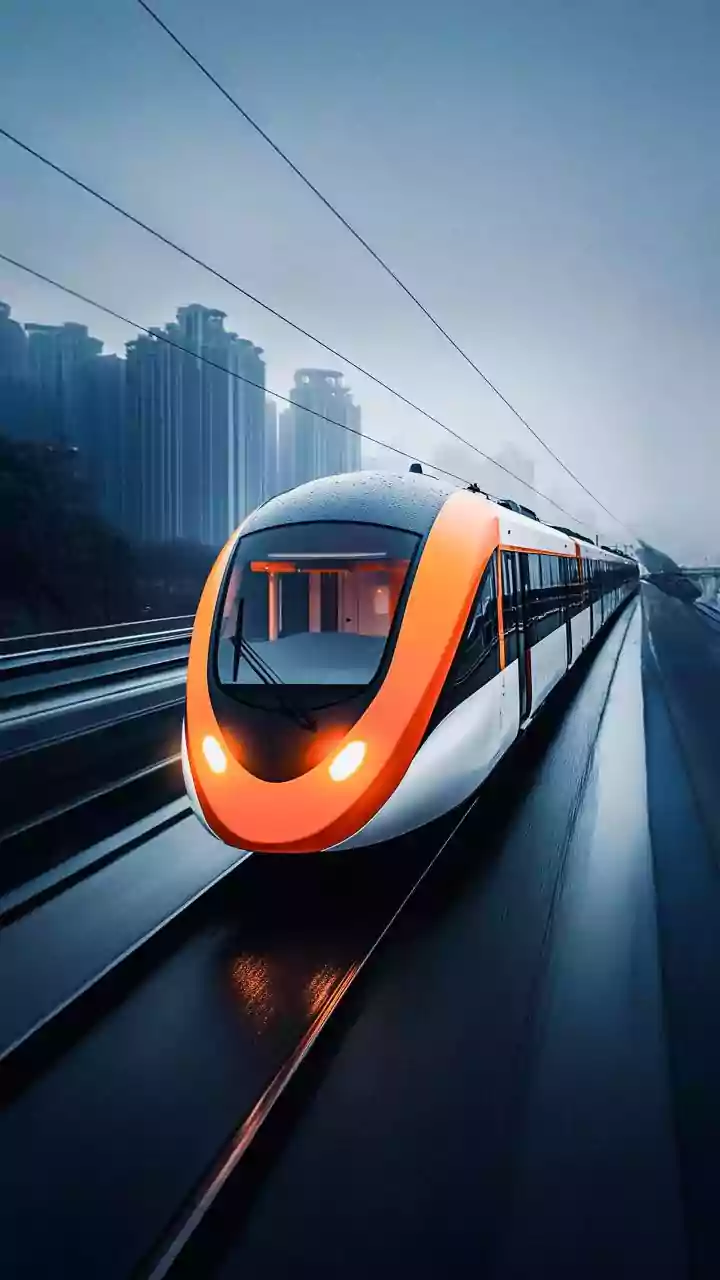
This pre-Diwali record is more than a fleeting success; it is a strong indicator of the future of urban transit in India. The DMRC is already planning to expand its driverless operations, with the automated network set to grow to 198 km after ongoing projects are completed. The success in Delhi is sparking a nationwide debate on whether other cities with metro systems, such as Mumbai, Bengaluru, and Kolkata, should also accelerate their adoption of UTO technology. While some experts caution against blindly following global trends and point to high initial costs, the operational advantages are hard to ignore. As Indian cities continue to expand, ensuring their public transport networks are scalable, efficient, and resilient is paramount. The record-setting performance of Delhi's driverless lines provides a powerful case study for how investment in smart technology can directly benefit millions of citizens and keep a city moving, even during its busiest moments.