










The Claim: A Midnight Windfall for Restaurants
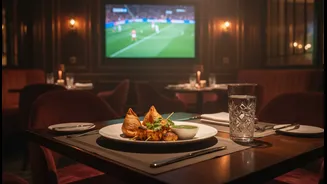
The common belief is straightforward: when India stays up to watch cricket or football, Indian restaurants cash in. It conjures images of delivery riders zipping through empty streets, carrying biryani and curries to legions of hungry fans. This narrative
suggests a direct and massive economic upside for the food industry, driven by cheering sports enthusiasts. Major international tournaments with late-night broadcast schedules are seen as a guaranteed period of soaring sales for any eatery offering post-midnight service. The assumption is that this is a widespread phenomenon, lifting the fortunes of countless local restaurants during key sporting seasons.
The Evidence: A Surge in Orders, But Not for Everything
Data from food delivery platforms confirms a significant spike in late-night orders during major sporting events. Recent reports during the FIFA World Cup, for instance, showed a 12-15% jump in orders placed in the late-night and early-morning hours. This surge builds on an already growing trend of a 'night economy,' with a steady 10-12% annual increase in late-night ordering driven by the changing lifestyles of young, urban consumers. However, the evidence diverges from the 'Indian restaurant' narrative on one key point: the menu. The most-ordered items during these late-night match viewings are consistently pizzas and burgers. While biryani is a popular late-night choice generally, Western fast-food chains and quick-service restaurants (QSRs) are the primary beneficiaries of the game-night munchies.
Open for Business or Just for Delivery?
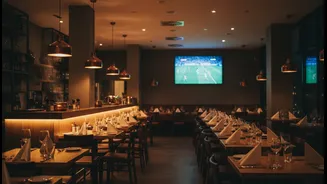
The image of restaurants keeping their doors open until the final whistle is only partially true. In cities like Bengaluru, authorities have granted special permissions for restaurants and pubs to operate until 3:30 a.m. on key match nights, following requests from industry bodies like the National Restaurant Association of India. This caters to fans who want to watch in a group setting. However, the bigger trend is the boom in delivery. For many traditional bars and restaurants, late match timings can be a dampener on walk-in business. The real winners are businesses optimised for the delivery economy: cloud kitchens and QSRs that can handle high volumes of online orders without needing a full dining room. For some of these kitchens, late-night orders now account for around 15% of their total sales.
The Health Cost of Late-Night Viewing
While the economic impact is nuanced, the health implications are much clearer. The first hit is to your sleep. Staring at a bright screen late at night bombards your eyes with blue light, which actively suppresses the production of melatonin, the hormone that tells your body it is time to sleep. This disrupts your natural sleep-wake cycle, or circadian rhythm, making it harder to fall asleep and reducing the quality of the rest you do get. Add the adrenaline and emotional engagement of a thrilling match, and your brain stays stimulated long after the screen goes dark, leading to a restless night and fatigue the next day.
That Midnight Meal Comes with a Price
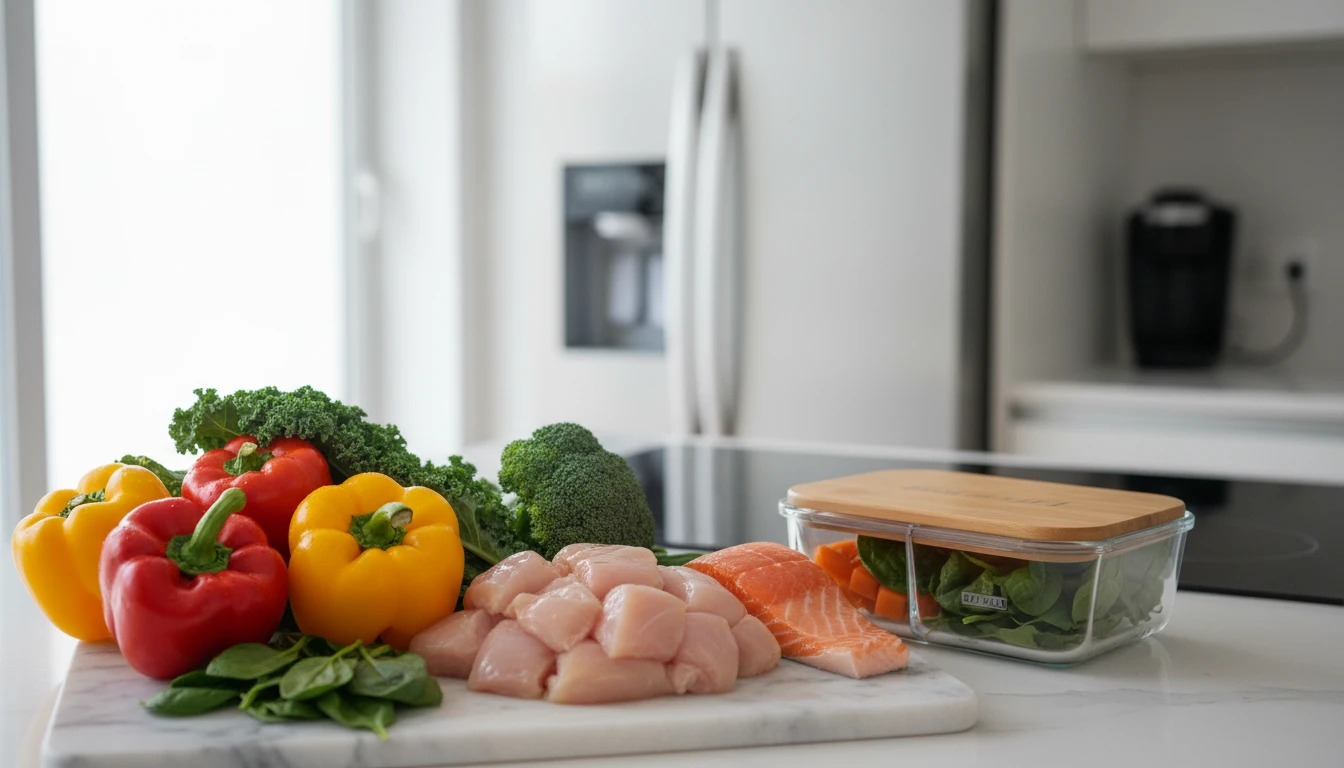
The second health consideration is the food itself. Your digestive system naturally slows down at night as part of its circadian rhythm. Eating a heavy, spicy, or fatty meal late at night means the food sits in your stomach for longer while you are trying to sleep. This can lead to digestive discomfort, bloating, and acid reflux, especially when you lie down. Over the long term, studies have linked chronic late-night eating to an increased risk of obesity and metabolic issues. It can disrupt appetite-regulating hormones and impair the body's ability to manage blood sugar, potentially promoting fat storage.