

The Changing Face of the Snack Aisle
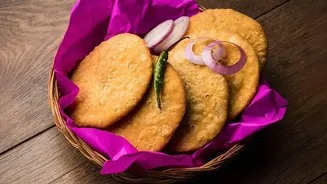
For decades, snacking in India meant a predictable, albeit delicious, set of choices: crispy samosas, spicy bhujia, and a variety of deep-fried delights. These remain beloved, but they are no longer the only options on the table. A walk through a modern
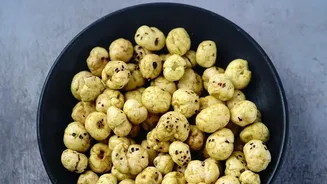
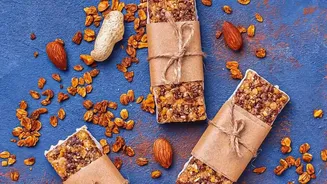
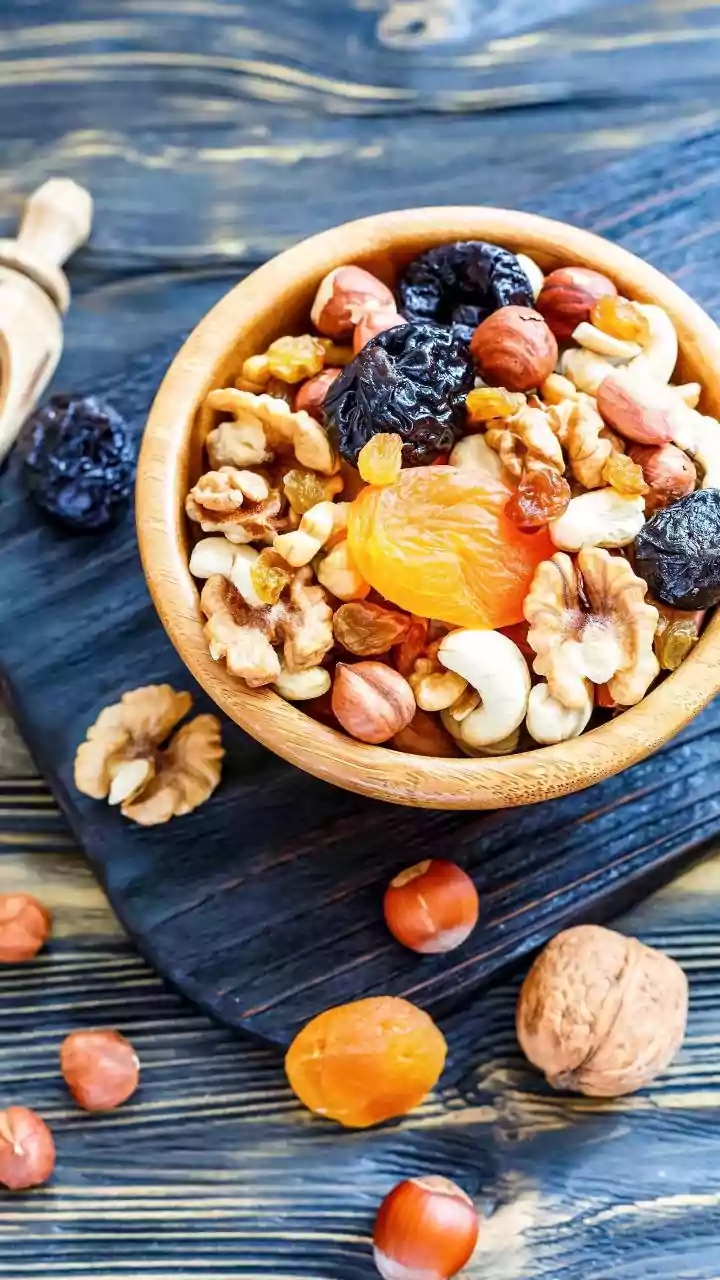
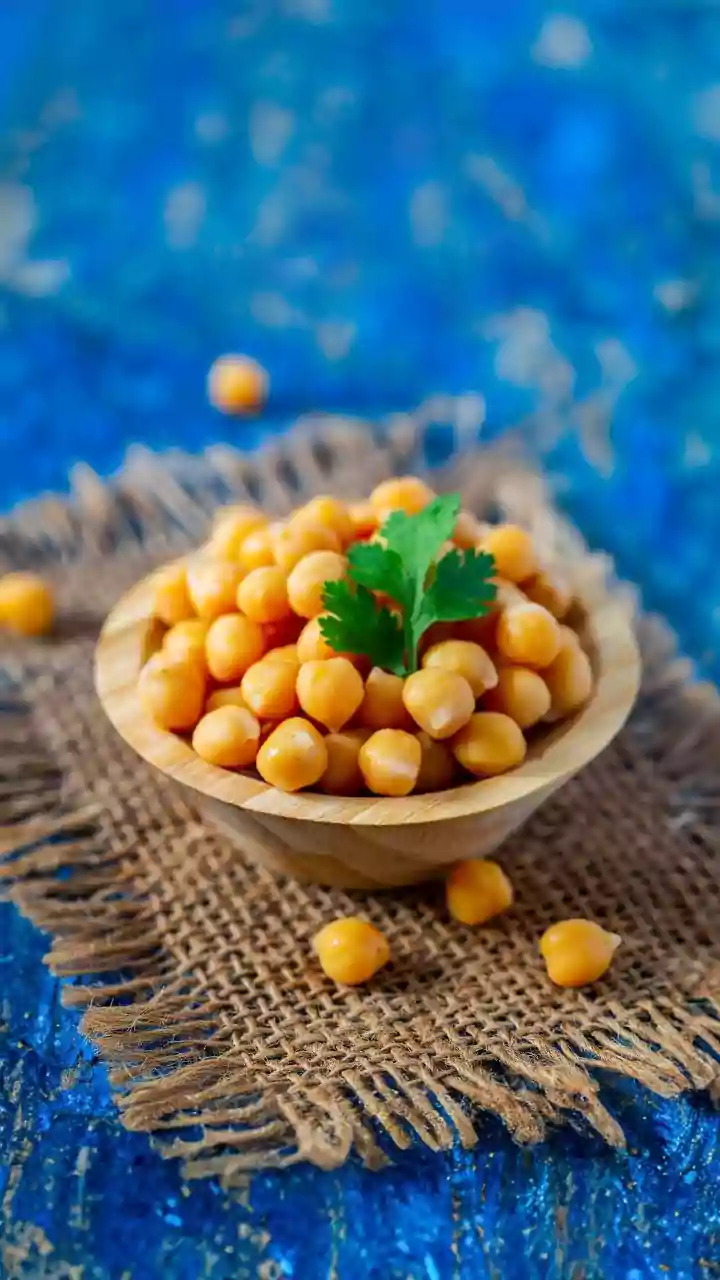
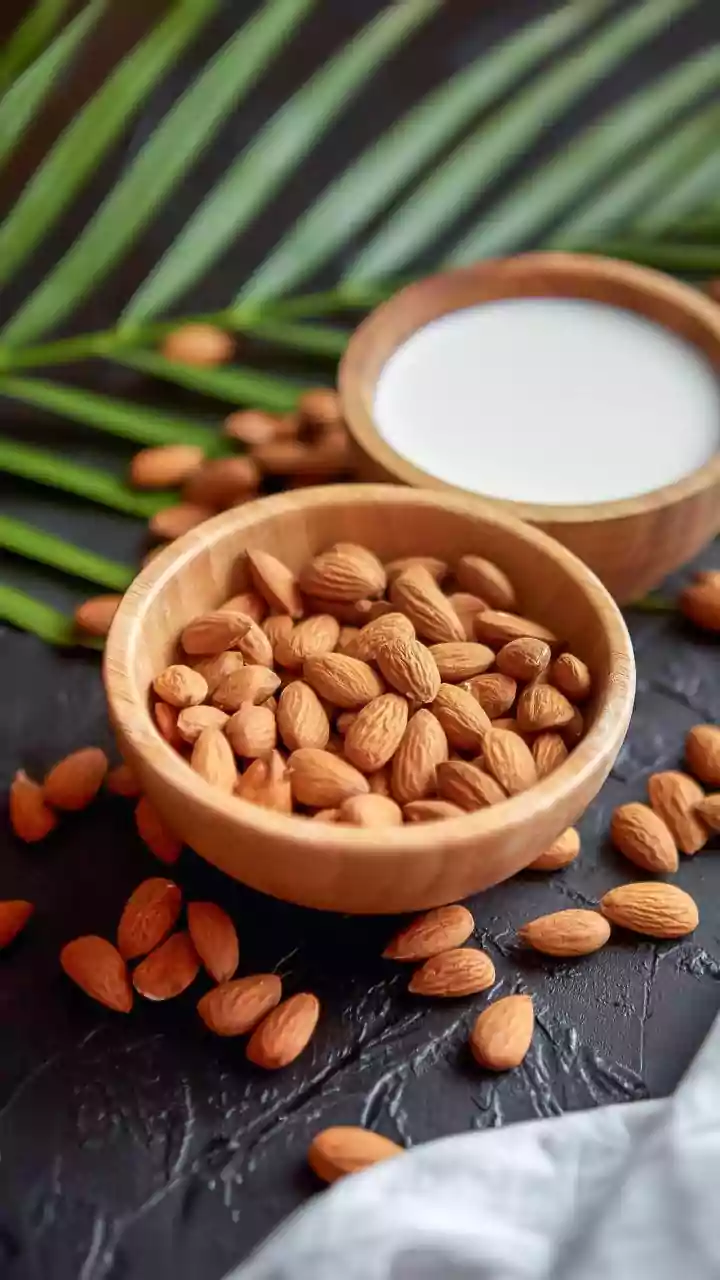
retail store or a scroll through a quick-commerce app reveals a parallel universe of snacks. Roasted makhana (fox nuts) in peri-peri flavour, jowar and quinoa puffs, baked multigrain chips, and protein-infused energy bars are rapidly moving from niche health stores to mainstream shopping carts. This isn't just about adding a few new products; it represents a fundamental challenge to the old guard of snacking, driven by a new kind of consumer.
Decoding the New Definition of 'Healthy'
What does "healthy" even mean to today's urban Indian consumer? It’s a complex and evolving definition. For many, it's a move away from deep-fried items toward baked, roasted, or air-popped alternatives. For others, it’s about what’s inside the packet. Terms like “high-protein,” “high-fibre,” “gluten-free,” and “all-natural ingredients” are powerful purchase drivers. There's a growing "clean label" movement, with consumers actively reading ingredient lists to avoid artificial additives and hidden sugars. This scrutiny reveals a consumer who is not just passively buying but actively investigating their food, seeking functional benefits like improved immunity or gut health from their snacks.
The Forces Driving This Transformation
Several factors are fuelling this snack revolution. A significant driver is rising health consciousness, particularly in the wake of the pandemic, which made immunity and wellness top priorities. This is coupled with rising disposable incomes, which allow consumers to spend a premium on products that align with their health goals. The hectic pace of urban life also plays a crucial role; consumers need convenient, on-the-go options that are both satisfying and nutritious. Finally, the influence of social media and wellness influencers cannot be overstated, as they shape perceptions and introduce consumers to new brands and dietary philosophies, making healthy eating aspirational and trendy.
From Ancient Grains to Modern Brands
The market has responded with incredible speed. One of the most interesting aspects of this trend is the reinvention of traditional Indian ingredients. Millets like ragi and jowar, once considered rustic, are now the hero ingredients in premium crackers and breakfast cereals. Makhana has been transformed from a simple fasting food into a mainstream crunchy snack available in dozens of flavours. This innovation is being led by a wave of new-age, direct-to-consumer (D2C) brands that have built their entire identity around healthy, transparent, and modern snacking. Startups like The Whole Truth, Yoga Bar, and Farmley have successfully created a narrative around guilt-free indulgence, connecting directly with millennials and Gen Z online.
More Than Just a Snack
Ultimately, these new snack choices reveal something deeper than just dietary preferences. They reflect a change in values and identity among urban Indians. Choosing a baked millet crisp over a potato chip is a small act, but it's one that signals a commitment to personal well-being, a desire for mindful consumption, and an embrace of modernity that still values traditional ingredients. It shows a consumer who is informed, intentional, and willing to invest in their long-term health. The Indian healthy snacks market is projected to grow significantly, with some estimates suggesting a compound annual growth rate (CAGR) of around 8%, indicating this is far from a passing fad.