



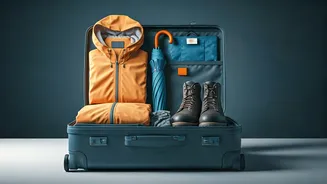



1. Go Beyond Plastic Bags: Embrace the Dry Bag
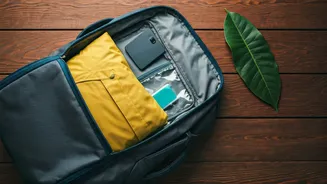
Relying on flimsy plastic bags to protect your valuables is a classic rookie mistake. They tear easily and offer minimal protection against a real downpour. The 'smarter' choice is investing in proper dry bags. Originally designed for water sports like
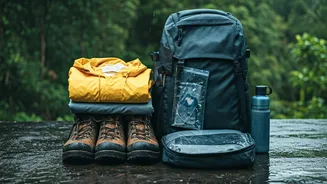
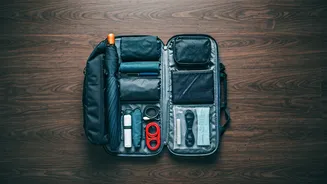
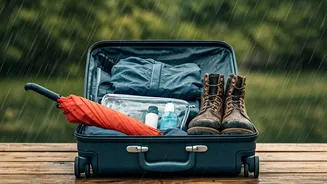
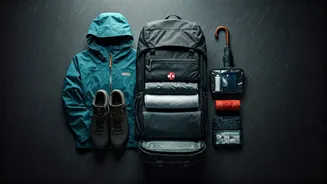
kayaking and rafting, these roll-top bags are made from durable, waterproof material that creates an airtight seal. Use a large one to line your main suitcase or backpack, and smaller ones for electronics, important documents (like your car papers and ID), and a change of clothes. This compartmentalisation ensures that even if your main bag gets damp, your essentials remain perfectly dry. They are a game-changer for any travel involving water, and the monsoon is no exception.
2. Create a Car 'Go-Bag'
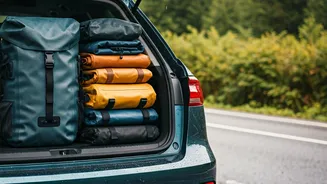
Don't just pack your suitcase; pack your car's cabin. During a long drive in the rain, you won’t want to stop and rummage through the boot for every little thing. Create a dedicated 'go-bag' for the passenger seat or backseat. This should contain everything you might need within arm's reach. Think a powerful torch (for unexpected breakdowns), a multi-tool, a portable phone charger or power bank, wet wipes, hand sanitiser, and some non-messy snacks. Also include a spare microfibre cloth to quickly wipe down a foggy windscreen or dashboard. This simple organisational hack keeps you prepared, safe, and comfortable without needing to brave the rain every time you need something.
3. Rethink Your Footwear and Wardrobe
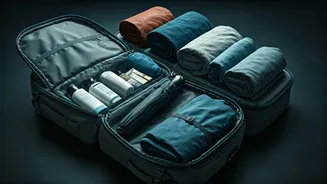
Jeans and canvas sneakers are terrible choices for the monsoon. They get heavy when wet and take forever to dry, leaving you feeling damp and cold. Instead, opt for quick-drying fabrics. Synthetic materials like polyester and nylon are your best friends. Pack lightweight trousers or shorts and several quick-dry t-shirts. For footwear, choose rubber floaters, crocs, or waterproof sandals for times you might need to step out of the car. Pack a separate pair of dry, comfortable shoes or socks that you *only* wear inside the car to keep your feet warm during the drive. Also, pack at least two towels – one for you, and one specifically for wiping down wet bags or shoes before they come into the car.
4. The Ultimate Monsoon Electronics Kit
Water is the enemy of electronics. As mentioned, a small dry bag is your first line of defence. But you can go further. Throw a few silica gel packets (the kind you find in new shoe boxes or purses) into your electronics bag. They absorb ambient moisture and help prevent condensation from forming inside your devices. Ensure your power bank is fully charged before you leave, as power cuts can be more frequent in smaller towns during heavy rains. And don't forget entertainment for times when the network is patchy. Download playlists, podcasts, and movies to your devices before you set off on your journey.
5. Build a Health and Safety Kit
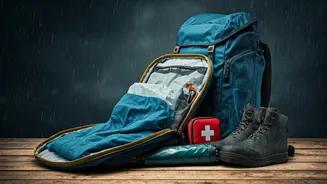
Rainy weather can bring its own set of minor health issues. Your standard first-aid kit should be updated for the season. Include antiseptic liquid, waterproof bandages, insect repellent (mosquitoes thrive in damp conditions), and medication for common ailments like colds, fevers, and stomach upsets. Water-borne diseases can be a concern, so carrying your own water bottle and perhaps a water-purifying solution or portable filter is a wise move if you plan to visit remote areas. An umbrella is obvious, but a good-quality raincoat with a hood is far more practical, leaving your hands free.
6. Smart Snacking for Soggy Weather
Crisps and biscuits go limp and soggy in humid weather the moment you open the packet. Plan your road trip snacks accordingly. Opt for items that are well-sealed or less susceptible to moisture. Think energy bars, nuts in resealable packets, vacuum-packed snacks like theplas or khakhras, and hard candies. For drinks, a thermos with hot chai or coffee can be a massive morale booster on a cold, rainy day. It provides a comforting warmth that you just can't get from a cold drink, making a roadside halt feel cosy and special.