




The Familiar Feeling of Over-Shopping
We have all been there. You return from a trip to a wholesale club, proud of the savings and stocked-up pantry. But as you begin to unload, a sense of dread creeps in. The giant pack of paper towels has no home. The family-sized box of cereal doesn't
fit on the shelf. The freezer is already full, but you have ten pounds of frozen chicken to store. This common scenario is a major pitfall of bulk shopping; the excitement of a good deal often overshadows the practical reality of storage. It leads to cluttered countertops, overstuffed cabinets, and sometimes, wasted food and money if items expire before you can use them. The problem isn't the bulk buying itself, but the lack of a plan that extends beyond the cash register.
Shift Your Mindset: From 'What I Want' to 'What I Have Room For'
The solution is to fundamentally change how you create your shopping list. Instead of a simple list of items, think of it as a spatial inventory plan. Before you even think about what to buy, you must first understand the space you have available. Professional organizers often advise taking stock of your home's storage capacity before you shop. This transforms the process from a wish list to a reality check. Your pantry, freezer, and linen closet are not bottomless pits; they are finite resources. By treating storage space as a budget, you prevent the impulse buys that lead to clutter. This simple mental shift is the key to making bulk buying work for you, not against you.
Conduct a Home Storage Audit
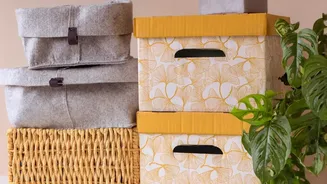
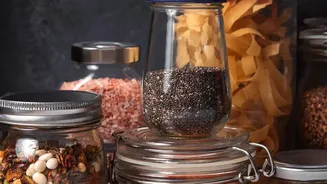
Before your next big shopping trip, take 15 minutes to conduct a storage audit. Go through your home and identify all your bulk storage zones: pantry shelves, the top of the fridge, under-bed storage, garage shelving, and freezer drawers. Don't just glance at them; get specific. How many large cereal boxes can realistically fit on that top shelf? Is there one drawer in your freezer you can dedicate to bulk meat? It can be helpful to decide where you plan to store each item before you even bring it home. For example, you might realize you have ample space for non-perishable canned goods in the basement but absolutely no room for another large pack of toilet paper. This audit provides the 'space limits' for your shopping trip; when a designated space is full, you know not to buy any more of that item, no matter how good the deal.
Building the Spatially-Aware List
Once you know your storage capacity, you can build your new, smarter list. This is where the headline's advice comes into play. Instead of writing “chicken,” you write “chicken (1 freezer drawer).” Instead of “paper towels,” it becomes “paper towels (garage shelf).” This method forces a direct link between the purchase and its eventual home. Your new list might look something like this: Rice (2 large containers, pantry floor) Canned Tomatoes (1 case, basement shelf) Toilet Paper (1 pack, hall closet top shelf) Ground Beef (fits in remaining half of freezer meat drawer) Shampoo (under bathroom sink cabinet) This format prevents you from over-buying. If you see a tempting deal on something not on your spatially-aware list, you can immediately ask yourself, “Where will it go?” If there is no answer, it's easier to walk away.
The Ripple Effect of Smarter Shopping
Adopting this method has benefits that go far beyond a tidier home. Firstly, it significantly reduces stress. Unpacking groceries becomes a simple act of putting things in their pre-assigned places, not a complex puzzle. Secondly, it saves money by curbing impulse purchases and preventing food spoilage. When you know exactly what you have and where it is, you're less likely to buy duplicates. It also encourages a 'first in, first out' system, ensuring you use older items before they expire. Finally, it saves time. Your shopping trips become more focused and efficient, and you spend less time reorganizing your home to accommodate your purchases. By simply adding a location to each item on your list, you transform a mundane chore into a strategic act of home and financial management.