








What Are 'Humidity Checks'?
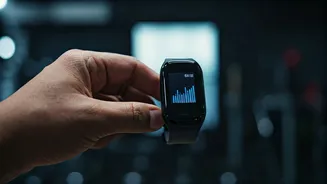
The trend is simple: before or after a workout, people are posting screenshots from their weather apps showing the local relative humidity or dew point. It’s a way of adding context to their fitness journey, signalling that they’re not just training hard,
but training smart. The posts often come with captions like "No wonder that run felt so tough!" or serve as a warning to others to hydrate. While some simply show the outdoor weather, others feature readings from indoor hygrometers, small devices that measure ambient moisture. This data-driven approach is part of the larger “quantified self” movement, where enthusiasts track everything from sleep quality to heart rate variability. Now, it seems, the moisture in the air is the latest metric to obsess over.
Why Humidity Is a Workout Game-Changer
It’s not just a feeling; high humidity fundamentally changes how your body handles exercise. Your body’s primary cooling mechanism is sweat. But sweat itself doesn't cool you down; the evaporation of sweat from your skin does. When the air is already saturated with water vapor—as it is on a humid day—that evaporation process slows down dramatically. Your sweat has nowhere to go, so it clings to your skin, unable to effectively cool you. As a result, your core body temperature rises faster, your heart has to work harder to pump blood to the skin to try and dissipate heat, and your workout feels significantly more difficult. The Heat Index, which combines temperature and humidity, gives a more accurate “feels-like” temperature, showing why a 32°C day with 70% humidity can feel like a dangerous 39°C.
The Real Risks of Ignoring Humidity
Pushing through a workout in high humidity isn't just uncomfortable; it can be dangerous. The reduced efficiency of sweating puts you at a greater risk of heat-related illnesses. These start with milder conditions like heat cramps (painful muscle spasms) and can progress to heat exhaustion. Symptoms of heat exhaustion include heavy sweating, dizziness, nausea, headache, and a weak, rapid pulse. If left untreated, heat exhaustion can lead to heatstroke, a life-threatening emergency where the body's temperature control system fails. Signs of heatstroke include a high body temperature (above 103°F or 40°C), confusion, slurred speech, and hot, red skin that may be dry or damp. This condition requires immediate medical attention. Paying attention to humidity is a crucial safety measure to prevent your body from overheating.
Is This Trend Actually Helpful?
So, should you start posting your own humidity checks? As with many social media trends, the answer is mixed. On the positive side, it raises awareness about a critical environmental factor that affects workout safety and performance. For years, coaches have advised athletes to acclimate to humid conditions and adjust their intensity, and this trend brings that wisdom to the masses. The downside, however, lies in the potential for data obsession and fitness anxiety. The fitness social media space can already create pressure to meet unrealistic standards. Adding another metric to track could make exercise feel more like a chore to be optimized than a joyful activity, and not all advice from influencers is credible.
How to Use Humidity Info Wisely
Instead of obsessing, use humidity as a tool for smarter training. Experts generally advise using "extreme caution" when the heat index climbs above 90°F (32°C). Many suggest that performance noticeably declines once humidity passes 60-70%. If you see high humidity in the forecast, you don't necessarily have to cancel your workout. Instead, adapt. Consider exercising early in the morning or later in the evening when it's cooler. Shorten the duration or lower the intensity of your workout, focusing on effort rather than speed. Prioritize hydration by drinking water before, during, and after your session. Opt for lightweight, moisture-wicking clothing to help what little evaporation is possible. And if conditions are truly oppressive, there's no shame in taking your workout indoors.