


Why This Old Idea Feels So New
The larder is hardly a new invention. Before refrigeration, it was a cool space for storing perishables. Today, its purpose has evolved. Designers and homeowners are rediscovering the freestanding larder as a powerful tool to combat kitchen chaos. This
revival is driven by a desire for organised, accessible storage that doesn't require a full renovation. In homes where space is at a premium, a tall, standalone unit can provide more storage than several wall cabinets combined, making excellent use of vertical space. It’s a response to our modern lives, where bulk shopping and a desire for cleaner, calmer kitchen aesthetics meet the reality of limited square footage.
The Unmatched Benefits of Going Freestanding
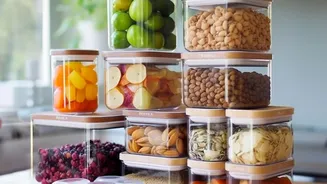
The primary advantage of a freestanding larder is its ability to consolidate all your dry goods in one dedicated space. This means everything from spices to cereals is easy to find, reducing food waste and making meal prep smoother. Unlike built-in units, these pieces offer incredible flexibility; they can be moved, repositioned, or even taken with you to a new home, making them ideal for renters. Functionally, a well-designed larder keeps countertops clear, which helps the entire kitchen feel calmer and less cluttered. But the appeal isn't just practical. A larder is also a style opportunity, a chance to add a piece of character-filled furniture to what can often be a purely functional room.
Finding the Perfect Larder for Your Home
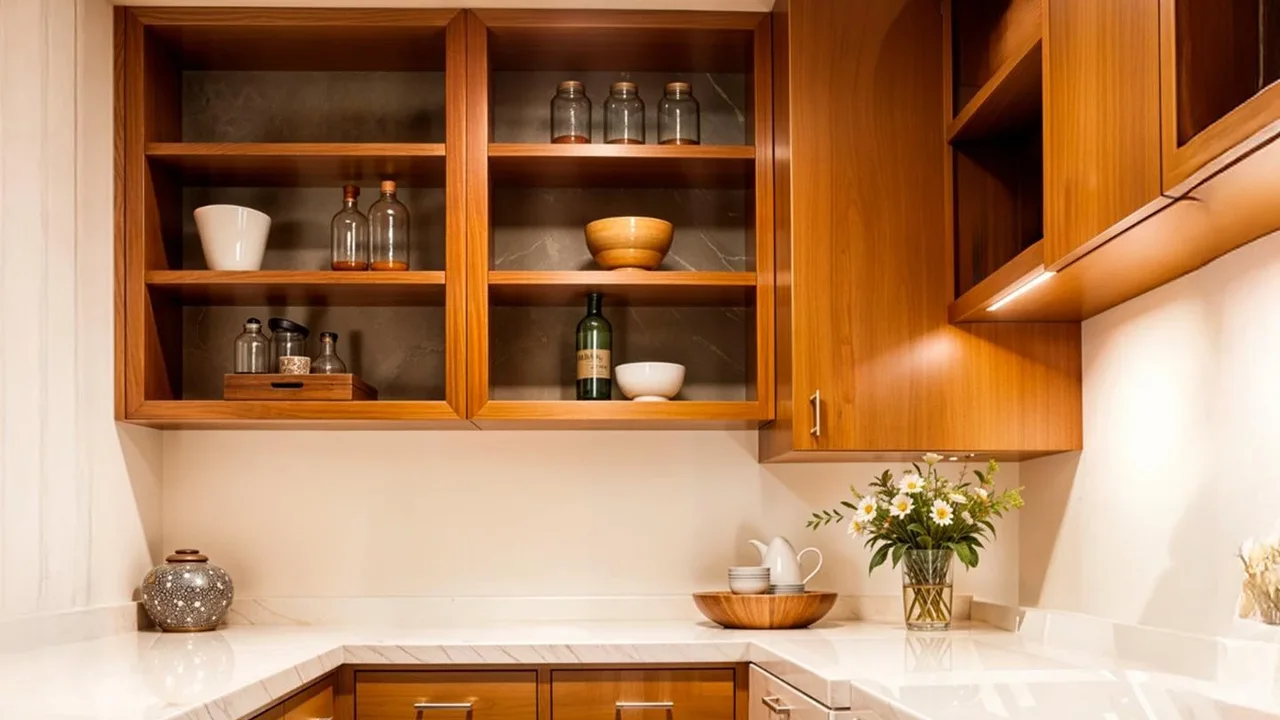
Freestanding larders come in a wide array of styles and sizes. You can find everything from tall, narrow single-door units perfect for tight corners, to grand double-door cabinets that make a statement. Traditional shaker or country-style larders add a warm, classic feel, while sleek, minimalist designs can integrate into modern kitchens seamlessly. Many units feature a thoughtful combination of adjustable shelving, interior door racks for spices and jars, pull-out drawers, and even wine racks. When choosing, consider a model that complements your existing decor but don't be afraid to make it a focal point. A larder painted in a bold, contrasting colour can instantly elevate the entire look of your kitchen.
Practical Tips for Integration
Before you buy, the first step is to assess your space. Carefully measure the height, width, and depth of the area where you plan to place the larder. Consider the flow of your kitchen; placing the unit near your main cooking or prep area ensures ingredients are always within easy reach. Also, think about what you’ll be storing. Make a quick list of your must-have items to help you prioritise internal features like deep shelves for appliances or narrow racks for tins. Look for quality materials like solid timber to ensure the piece lasts for years. A well-chosen larder isn't just adding a cabinet; it's adding a piece of furniture that can transform how your kitchen works and feels every day.